


Planning an Adventurous Bachelorette Bash? Stay Safe!
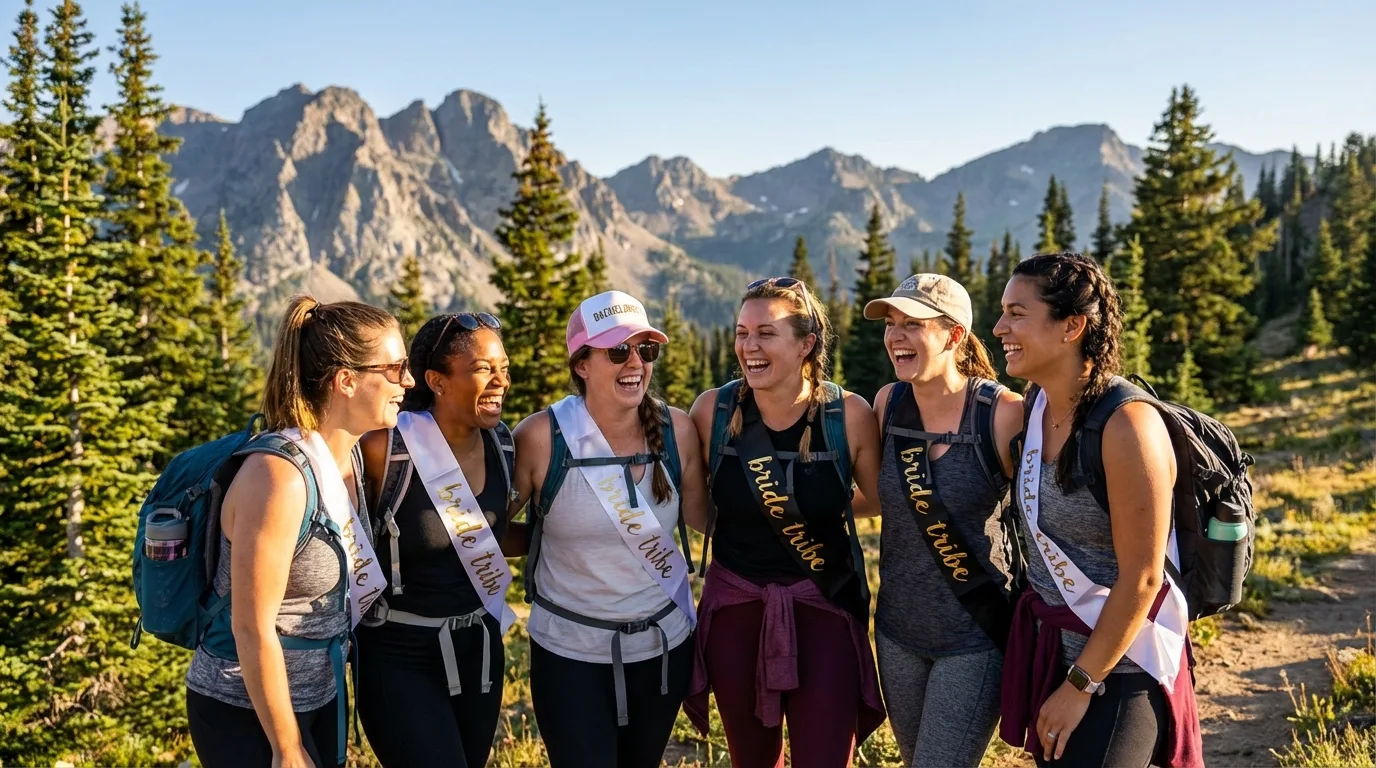
Bachelorette parties are evolving! Forget the typical spa day; more and more brides-to-be are opting for adventurous excursions to celebrate their upcoming nuptials. From hiking scenic trails to kayaking down rushing rivers, the possibilities are endless. But with adventure comes the potential for injury. No one wants to spend their best friend's bachelorette weekend in the emergency room! Having planned several adventurous bachelorette parties, I've learned firsthand how crucial it is to prioritize safety. I want to share my experiences and tips to help you plan a fun, memorable, and injury-free bachelorette adventure.
My first experience planning one of these was a bit of a wake-up call. In 2018, I organized a white-water rafting trip for my cousin's bachelorette. We were so focused on the thrill of the rapids that we skimped on the pre-trip safety briefing and proper gear check. About halfway through, one of the girls fell out of the raft. Thankfully, she was okay, but it was a scary moment that taught me a valuable lesson: preparation is key. Since then, I've approached every bachelorette adventure with a meticulous focus on safety protocols.
Choosing the Right Adventure and Assessing Risks
The first step in preventing injuries is choosing an activity that suits the group's fitness levels and experience. A challenging hike might be perfect for avid hikers, but not so much for those who prefer leisurely strolls. Consider everyone's abilities and preferences when making your selection.
Once you've chosen an activity, conduct a thorough risk assessment. What are the potential hazards? What safety measures are in place? Are there any alternative activities in case of inclement weather or unforeseen circumstances?
Here's what I do to assess and mitigate risks:
- Research the Activity Provider: Look for reputable companies with experienced guides and a proven track record of safety. Check online reviews and ask for references.
- Review Safety Protocols: Ask the provider about their safety procedures, emergency plans, and equipment maintenance.
- Consider the Environment: Research the weather conditions, terrain, and potential wildlife encounters.
- Communicate with the Group: Share the risks and safety measures with the bachelorette party attendees. Encourage them to ask questions and voice any concerns.
Essential Gear and Clothing for Every Excursion
Proper gear can make or break an adventurous outing. Make sure everyone has the right clothing, footwear, and protective equipment for the chosen activity. This includes:
- Appropriate Clothing: Dress in layers to adapt to changing weather conditions. Avoid cotton, which can trap moisture and make you cold. Opt for moisture-wicking fabrics like polyester or merino wool.
- Sturdy Footwear: Wear comfortable, supportive shoes with good traction. Hiking boots are ideal for hiking, while water shoes are essential for water activities.
- Protective Gear: Helmets are crucial for activities like biking, rock climbing, and rafting. Life jackets are a must for any water-based activity.
- Sun Protection: Wear sunscreen, sunglasses, and a hat to protect yourself from the sun's harmful rays.
- First-Aid Kit: Pack a well-stocked first-aid kit with essentials like bandages, antiseptic wipes, pain relievers, and blister treatment.
The Importance of Pre-Trip Training and Preparation
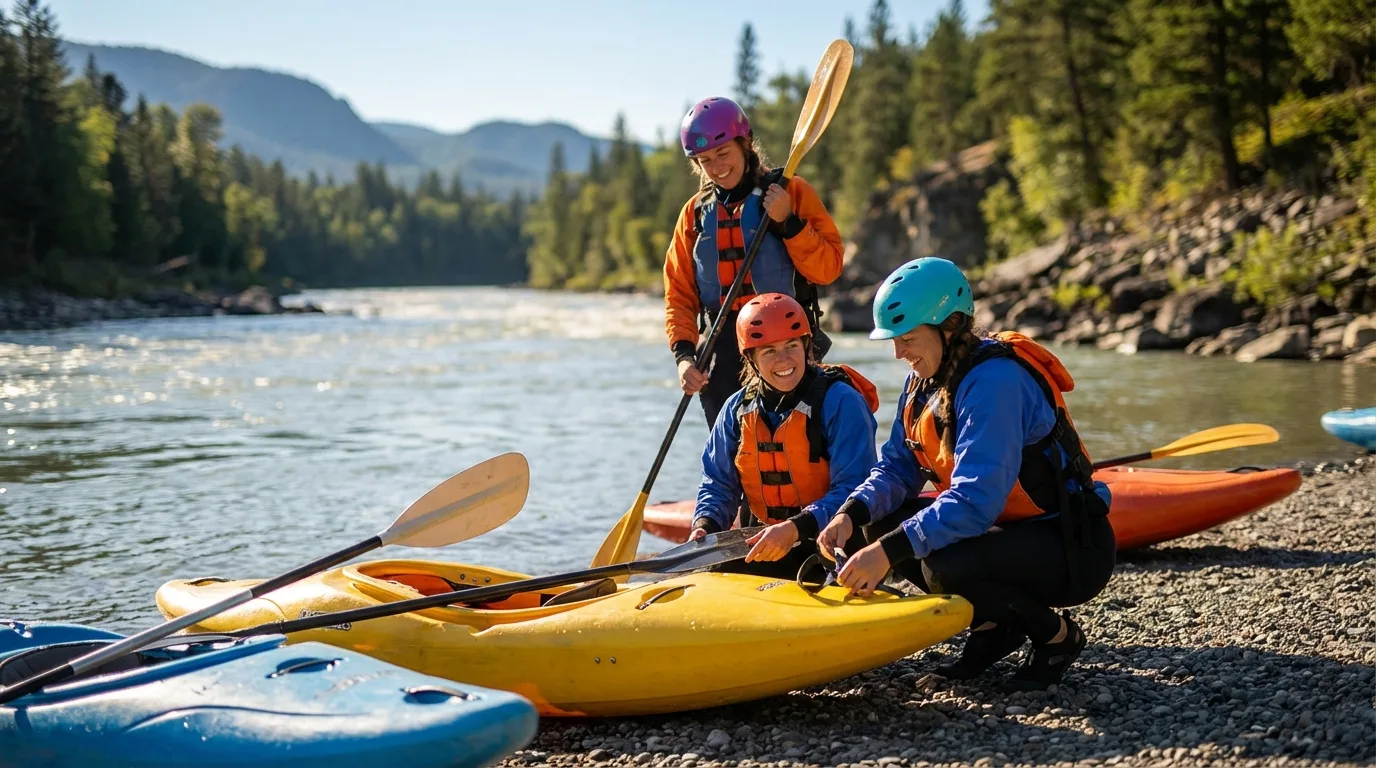
Don't underestimate the importance of pre-trip training and preparation. Even if the activity seems relatively easy, it's always a good idea to brush up on your skills and knowledge. For example, if you're planning a hiking trip, take a few practice hikes beforehand to build your stamina. If you're going kayaking, learn basic paddling techniques and safety procedures.
I remember one time, in 2020, we planned a rock-climbing excursion. One of the girls, let's call her Sarah, had never climbed before. Instead of just throwing her into the deep end, we signed her up for an introductory climbing class at a local gym. She learned the basics of belaying, knot tying, and climbing techniques. When we finally hit the real rocks, she was much more confident and prepared. The class cost $50 and lasted 3 hours; in the end, she climbed a 5.7 route on her first try.
Staying Hydrated and Nourished on the Go
Dehydration and hunger can lead to fatigue, dizziness, and impaired judgment, increasing the risk of accidents. Make sure everyone drinks plenty of water and eats nutritious snacks throughout the day. Avoid sugary drinks and processed foods, which can cause energy crashes. Instead, opt for water, electrolyte drinks, fruits, vegetables, nuts, and energy bars.
Here's a simple hydration and nutrition plan:
- Hydration: Drink water consistently throughout the day, even if you don't feel thirsty. Aim for at least eight glasses of water. Carry a reusable water bottle and refill it whenever possible.
- Snacks: Pack a variety of healthy snacks to keep your energy levels up. Good options include trail mix, granola bars, fruit, vegetables, and protein bars.
- Meals: Plan your meals in advance to ensure you're getting enough calories and nutrients. If you're hiking, pack a lightweight lunch that's easy to carry.
Communicating Effectively and Staying Together
Effective communication is essential for group safety. Designate a leader who can make decisions and coordinate the group. Establish a system for checking in with each other regularly. Make sure everyone knows what to do in case of an emergency.
Here are some communication tips:
- Establish a Communication Plan: Before setting off, discuss how you will communicate with each other during the activity. This could involve using hand signals, whistles, or walkie-talkies.
- Stay Within Visual or Auditory Range: Keep the group together and avoid straying too far from each other.
- Check in Regularly: Periodically check in with each member of the group to ensure they are okay.
- Designate a Meeting Point: If you get separated, establish a designated meeting point where everyone can regroup.
Dealing with Common Injuries and Emergencies
Even with the best planning, injuries can still happen. Be prepared to deal with common injuries like cuts, bruises, sprains, and strains. Know how to administer basic first aid and when to seek medical attention. In case of a serious emergency, have a plan for contacting emergency services and evacuating the injured person.
Here's a quick overview of how to handle common injuries:
| Injury | First Aid |
|---|---|
| Cuts and Scrapes | Clean the wound with soap and water, apply antiseptic ointment, and cover with a bandage. |
| Bruises | Apply ice to the affected area to reduce swelling and pain. |
| Sprains and Strains | Rest the injured area, apply ice, compress with a bandage, and elevate the limb. |
| Blisters | Clean the blister with soap and water, cover with a blister bandage, and avoid popping it. |
Source: author's experience, supplemented by American Red Cross — redcross.org
In 2022, during a bachelorette hiking trip in Sedona, one of the bridesmaids twisted her ankle pretty badly. Luckily, we had a well-stocked first-aid kit, and I knew basic first-aid from a course I took years ago. We were able to stabilize her ankle, apply ice, and get her to a nearby urgent care clinic. Without the kit and basic knowledge, the situation could have been much worse.
The Benefits of Travel Insurance and Emergency Contacts
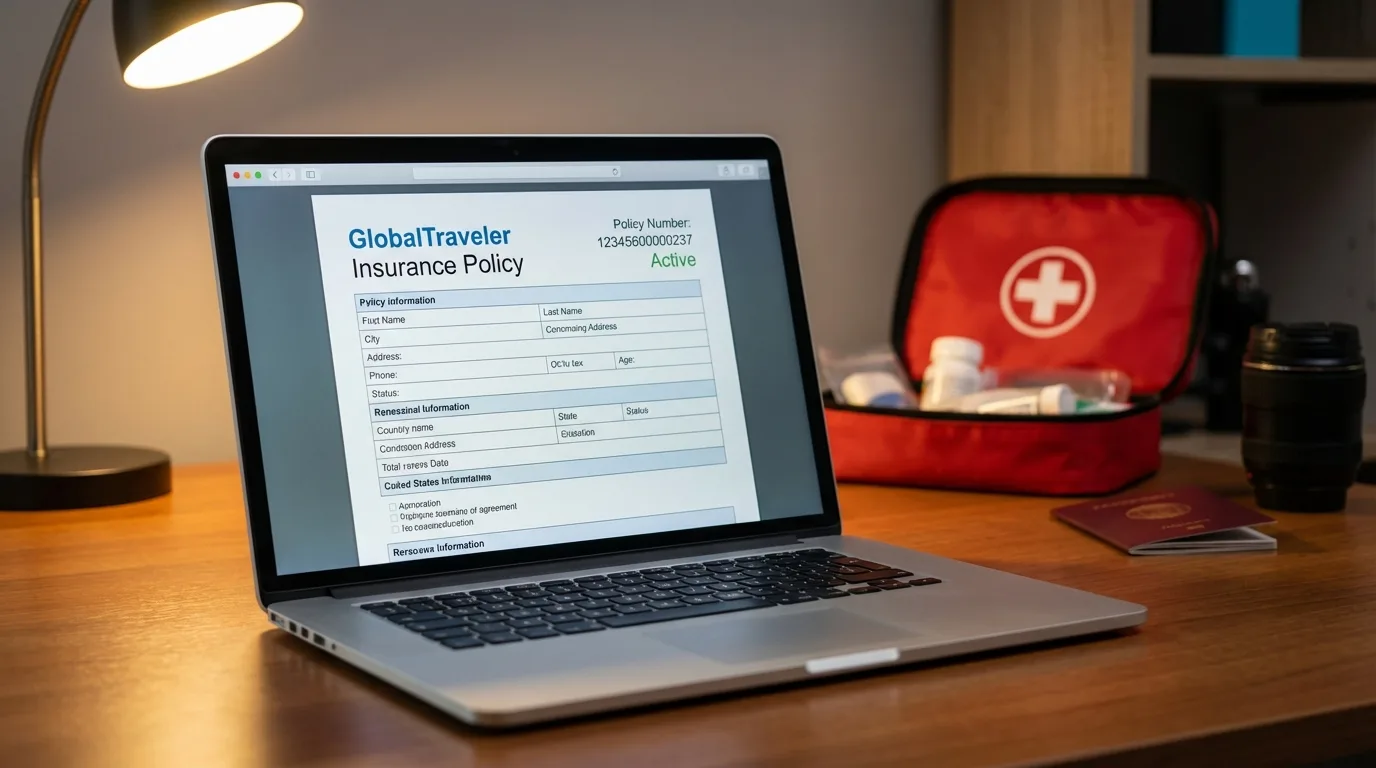
Travel insurance is a must for any adventurous trip. It can cover medical expenses, trip cancellations, and lost or stolen belongings. Before you go, research different travel insurance providers and choose a policy that meets your specific needs. Also, make sure everyone has a list of emergency contacts, including phone numbers for family members, doctors, and insurance providers.
Having emergency contacts readily available can save valuable time in a crisis. Create a digital document with all the necessary information and share it with everyone in the group. Also, consider adding emergency contacts to your phone's lock screen in case of an accident.
FAQ: Bachelorette Trip Safety
Here are some frequently asked questions about bachelorette trip safety:
- Why does someone still get injured even after following all safety precautions?
- Even with meticulous planning, inherent risks remain in adventurous activities. Weather changes unexpectedly, gear malfunctions, or individuals might misjudge their abilities. Safety measures minimize risks but don't eliminate them entirely. It's about reducing the likelihood and severity of potential incidents.
- What is the real practical difference between a basic first-aid kit and a more comprehensive wilderness first-aid kit?
- A basic kit handles minor cuts, scrapes, and headaches. A wilderness kit includes supplies for more serious injuries (splints, tourniquets) and situations where professional medical help is delayed. The key difference lies in the scope of potential emergencies and the proximity to medical facilities. For example, a wilderness kit contains supplies to manage a dislocated shoulder or stabilize a fracture for several hours, while a basic kit is designed for issues treatable with a band-aid and some pain relievers.
- How do you handle a situation where one person's fitness level is significantly lower than the rest of the group?
- This requires open communication and flexibility. Offer alternative activities, modify the planned excursion to accommodate everyone's abilities, or split the group temporarily, with the understanding that the less fit person is never alone. It's crucial to prioritize inclusivity and avoid pressuring anyone beyond their comfort zone. This situation happened to me once in 2019 when planning a mountain biking trip; we ended up renting e-bikes so everyone could participate. The rental cost an extra $75 per person, but it allowed the whole group to stay together and have fun.
- Why is it important to inform the activity provider about pre-existing medical conditions?
- Knowing about allergies, asthma, diabetes, or heart conditions allows the provider to tailor the experience and prepare for potential emergencies. For example, they can ensure that epinephrine auto-injectors (EpiPens) are readily available for someone with severe allergies or adjust the intensity of the activity for someone with a heart condition.
Conclusion: Prioritize Safety for an Unforgettable Bachelorette Adventure
Planning an adventurous bachelorette party can be an incredibly rewarding experience. But it's crucial to prioritize safety to ensure everyone has a fun and memorable time. By choosing the right activity, packing the right gear, preparing adequately, and communicating effectively, you can minimize the risk of injuries and create an unforgettable celebration.
Ready to plan a safe and adventurous bachelorette trip? Download our free bachelorette party safety checklist to ensure you haven't missed any crucial steps!
Recommended Reading
- Bridal Harmony: 5 Steps When Bridesmaids Clash Over Dress Styles?
- Client Seed Favor Worries? 7 Solutions for Eco-Conscious Weddings
- Rain-Ruined Beach Bachelorette? 7 Expert Ways to Salvage Your Party
- 7 Expert Ways Wedding Planners Handle Inappropriate Guest Attire
- Unique Wedding Experience Gifts for Couples: The Ultimate Guide!




Comments
Leave a comment below. Your email will not be published. Required fields marked with *