


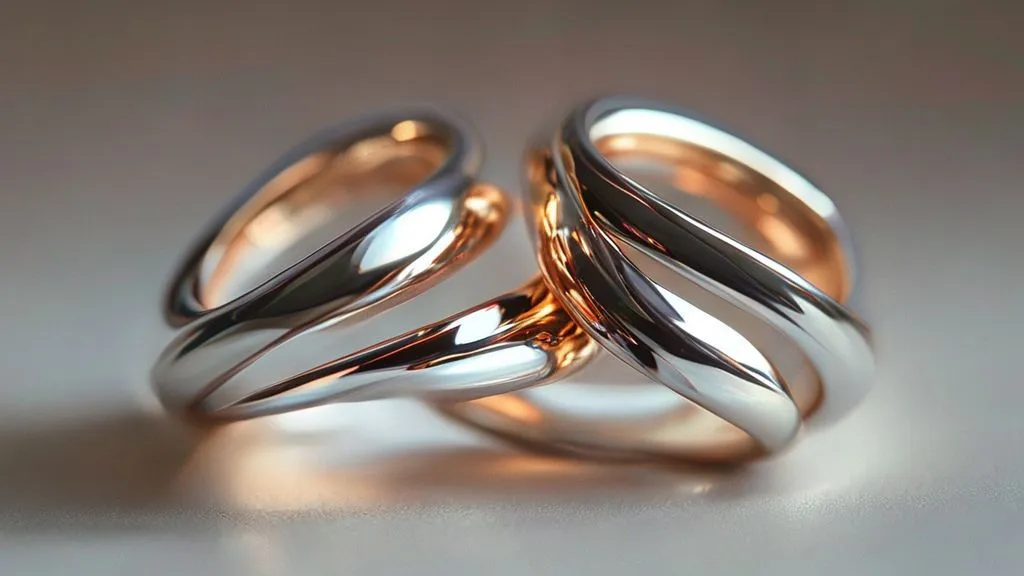
Preventing Wear When Mixing Wedding Ring Precious Metals?
For over two decades in the wedding ring industry, I've had the privilege of helping countless couples select their forever symbols. Yet, I've also witnessed a common, often heartbreaking, mistake: the unintentional damage caused by mixing precious metals without proper consideration. It’s a scenario many don't even consider until they see the subtle scratches and dulling on their cherished bands.
The problem isn't just aesthetic; it’s about the longevity and integrity of your most meaningful jewelry. When metals of different hardness or electrochemical properties are constantly rubbing against each other, abrasion and even galvanic corrosion can occur. This silent enemy slowly erodes the beauty and value of rings that are meant to last a lifetime, often leading to emotional distress as beloved pieces lose their original luster.
This definitive guide is designed to empower you with the knowledge and actionable strategies needed to prevent this wear. I’ll share expert insights, practical frameworks, and real-world advice gleaned from years of experience, ensuring your mixed metal stack remains as beautiful and enduring as your love story. You’ll learn not just what to do, but *why* it works, giving you complete confidence in preserving your precious metals.
Understanding the Core Problem: Metal Hardness and Galvanic Corrosion
Before we dive into solutions, it’s crucial to understand the fundamental issues at play. The wear we see on mixed metal rings stems primarily from two scientific principles: differential metal hardness and, less commonly, galvanic corrosion. Grasping these concepts is the first step toward effective prevention.
The Mohs Scale and Your Rings: A Hard Truth
The Mohs scale of mineral hardness is a qualitative ordinal scale, from 1 to 10, characterizing scratch resistance of various minerals through the ability of a harder material to scratch a softer material. While it’s not a perfect measure for metals, it offers a crucial comparative insight into how different precious metals will interact when in constant contact. Think of it like sandpaper: harder grit will scratch softer surfaces.
- Platinum: Often perceived as incredibly hard, platinum (especially 950 purity) is actually quite malleable. While it resists material loss (it displaces rather than scratches off), its surface can show dings and scuffs when rubbing against harder metals. Its Mohs hardness is typically around 3.5-4.
- Gold Alloys (10K, 14K, 18K): Gold is naturally a very soft metal (2.5-3 on Mohs). It is alloyed with other metals like copper, silver, zinc, and palladium to increase its durability and create different colors (yellow, rose, white). Higher karat gold (e.g., 18K) is softer than lower karat gold (e.g., 14K) due to a higher percentage of pure gold. 14K gold typically registers around 3-3.5, while 18K is closer to 2.5-3.
- Palladium: A platinum group metal, palladium is harder than platinum and most gold alloys, typically around 4.75 on the Mohs scale. It's a durable, naturally white metal.
- Sterling Silver: While less common for wedding bands, silver is quite soft, around 2.5-3 on the Mohs scale, and very prone to scratching and tarnishing.
When you stack a harder metal against a softer one, the harder metal acts as an abrasive. For example, a 14K white gold ring (which often contains harder alloys and a rhodium plating) worn next to a softer 18K yellow gold band will inevitably abrade the yellow gold over time. The softer metal will literally be rubbed away, leading to thinning, dullness, and loss of detail.
The Hidden Threat: Galvanic Corrosion
While less common in everyday ring wear than simple abrasion, galvanic corrosion is a phenomenon that jewelry professionals are aware of. It occurs when two dissimilar metals are in electrical contact and exposed to an electrolyte (a conductive solution). In the context of rings, sweat, lotions, hand soaps, or even saltwater can act as electrolytes.
When these conditions are met, the less noble (more reactive) metal acts as an anode and corrodes at an accelerated rate, while the more noble metal (cathode) is protected. For instance, gold is generally more noble than many of the alloys used in white gold or even some platinum alloys. If conditions are right, this could theoretically lead to the more reactive metal slowly deteriorating. However, for most wedding ring scenarios, the physical abrasion from hardness differences is a far more significant and visible concern than galvanic corrosion. Still, it’s a factor to be mindful of, especially if you live in humid climates or frequently expose your hands to water and chemicals.

Strategic Pairing: Which Metals Play Well Together?
Understanding metal properties is just the beginning. The art of preventing wear lies in strategic pairing. My years of experience have shown that certain combinations are far more problematic than others, while some can coexist beautifully with a little foresight.
Platinum vs. White Gold: A Classic Conundrum
This is perhaps the most common mixed-metal dilemma I encounter. Many brides want to pair a durable platinum engagement ring with a white gold wedding band, or vice versa. Here’s what you need to know:
- Platinum with Platinum: This is the ideal scenario. Since platinum is a relatively pure metal (typically 95% pure), two platinum rings worn together will wear down at a similar, very slow rate. They will develop a beautiful, soft patina over time without significant material loss from one to the other.
- Platinum with Rhodium-Plated White Gold: This combination is where most issues arise. White gold is an alloy, and to achieve its bright, silvery-white finish, it's typically plated with rhodium, a very hard and brittle platinum group metal. This rhodium plating is significantly harder than platinum itself. When a rhodium-plated white gold ring rubs against a platinum ring, the rhodium will act like a fine abrasive, slowly but surely scratching and wearing away the platinum. Over time, this can cause visible grooves and material loss on the platinum band.
- Non-Rhodium White Gold with Platinum: Some white gold alloys are designed to be naturally whiter and may not require rhodium plating. These tend to be softer than rhodium-plated white gold, closer in hardness to platinum, which might reduce the abrasive effect. However, the specific alloy composition matters greatly. Always inquire about the exact makeup and hardness of non-plated white gold if considering this pairing.
My advice here is firm: if you have a platinum ring, pair it with another platinum ring or a palladium ring. If you insist on mixing with white gold, be prepared for more frequent maintenance of your platinum piece and consider the protective measures we'll discuss later.
Yellow Gold, Rose Gold, and Their Companions
Yellow and rose gold present their own set of considerations, largely due to their specific alloy compositions and inherent softness compared to harder metals.
- Yellow Gold with Yellow Gold (Same Karat): Like platinum, pairing yellow gold of the same karat (e.g., 14K with 14K) is generally safe. They will wear together uniformly.
- Yellow Gold with Different Karat Yellow Gold: Pairing 18K yellow gold with 14K yellow gold means the 14K (harder) will slowly abrade the 18K (softer). This is a common but often overlooked source of wear.
- Rose Gold with Other Golds: Rose gold gets its distinctive hue from copper, an alloy known for its durability. However, rose gold itself can still be softer than white gold alloys. Pairing rose gold with yellow gold of similar karat is usually acceptable, but always be mindful of the relative hardness.
- Gold with Platinum or Palladium: This is where significant wear can occur. Platinum and palladium are generally harder than 18K gold and comparable to or slightly harder than 14K gold. When a platinum or palladium ring rubs against a gold ring, the gold will almost always be the softer, sacrificial metal. This can lead to noticeable thinning and loss of detail on the gold band over time.
"The true value of a wedding ring isn't just in its material cost, but in its ability to tell a story for decades. Understanding its vulnerabilities is the first step to preserving that narrative, especially when embarking on the mixed-metal journey."
Design Matters: How Ring Construction Influences Wear
Beyond the inherent properties of the metals, the actual design and construction of your rings play a pivotal role in preventing wear. I've often advised clients that thoughtful design can mitigate many of the risks associated with mixed metal stacks.
The Role of Profile and Edge Design
The profile of your ring refers to its cross-sectional shape (e.g., flat, dome, half-round, knife-edge). The way these profiles meet and interact can either protect or expose your metals to friction.
- Flat-Edged Rings: If two rings have perfectly flat, sharp edges that meet precisely, the surface area of contact is maximized, increasing the potential for abrasion. If they are of different hardness, the softer edge will take a beating.
- Rounded or Dome Profiles: Rings with rounded or dome profiles tend to have less direct, concentrated edge-to-edge contact. This can reduce the severity of friction, as the rings may roll over each other rather than grind.
- Comfort Fit vs. Standard Fit: Comfort fit bands are typically rounded on the inside, but their exterior profile can still be flat or domed. It's the exterior profile that dictates how they interact with neighboring rings.
- Beveled or Chamfered Edges: Some rings feature beveled or chamfered edges, where the sharp corner is cut off at an angle. This design can be beneficial as it reduces the direct, sharp edge-on-edge contact, potentially protecting the softer metal from being directly scraped by a harder, sharper edge.
When selecting rings for a stack, I always encourage clients to physically try them together. Observe how the edges meet. Do they nest perfectly, or do they feel like they’re fighting each other? A good fit minimizes movement and, consequently, minimizes wear.
Gap Rings and Spacers: The Physical Barrier
One of the most effective, yet often overlooked, strategies for preventing wear is the introduction of a physical barrier between dissimilar metals. This is where gap rings or spacer rings come into play.
A gap ring is typically a very thin, often plain band, made from a material that is either compatible with both rings or is itself sacrificial and easily replaceable. Here are some options:
- Matching Hard Metal Spacer: If you're pairing a soft gold ring with a harder platinum ring, a thin platinum spacer can be placed between them. The platinum spacer will wear against the platinum ring (which is fine) and also act as a buffer for the gold ring.
- Silicone Spacers: For temporary or highly active situations, a thin silicone spacer can be an excellent choice. These are soft, flexible, and completely prevent metal-on-metal contact. They are not typically worn as a permanent aesthetic solution but are fantastic for specific activities or for testing out a stack.
- Harder Metal Spacer for Softer Rings: If you have two soft gold rings that you want to protect from an even harder diamond eternity band, a thin spacer of a more durable metal (e.g., a harder gold alloy or palladium) could be placed to take the brunt of the wear from the eternity band's diamonds or settings.
The goal of a spacer is to create a buffer that either minimizes friction or ensures that any friction occurs between metals of similar hardness, or against a sacrificial, easily replaceable component. It’s a simple concept that yields significant long-term protection for your cherished pieces.

Proactive Maintenance: Your Ring's Best Defense
Even with the most strategic pairing and thoughtful design, your mixed metal rings will benefit immensely from proactive maintenance. Think of it like a luxury car: you wouldn’t expect it to perform optimally without regular servicing. Your rings deserve the same attention.
Regular Cleaning and Inspection: The Foundation of Longevity
The accumulation of dirt, oils, and lotions between your rings can exacerbate wear by creating a grinding paste. Regular cleaning is not just about sparkle; it’s about preventing abrasive buildup.
- Gentle Home Cleaning (Weekly): Prepare a bowl of warm water with a few drops of mild dish soap. Soak your rings for 10-15 minutes. Gently brush them with a soft-bristled toothbrush (a baby toothbrush works well), paying attention to the areas between the rings. Rinse thoroughly under running water and dry with a soft, lint-free cloth.
- Professional Cleaning and Inspection (Every 6-12 Months): This is non-negotiable for mixed metal stacks. A professional jeweler has ultrasonic cleaners and steam cleaners that can reach crevices you can’t. More importantly, they will inspect your rings for any signs of wear, thinning, loose stones, or compromised settings. Early detection of wear can prevent more extensive and costly repairs down the line. They can also advise on re-polishing or re-plating needs.
As the Gemological Institute of America (GIA) emphasizes in their comprehensive jewelry care guides, consistent maintenance is key to preserving the beauty and integrity of your fine jewelry for generations.
Re-plating and Re-polishing: When and Why
These are common maintenance procedures that are particularly relevant for mixed metal stacks.
- Rhodium Re-plating (for White Gold): If your white gold ring is rhodium-plated, that plating will eventually wear off, especially in high-friction areas. When the plating wears thin, the underlying yellowish hue of the white gold alloy will start to show through. More critically, if the rhodium plating is what was creating the abrasive effect on a softer platinum ring, its wear can actually reduce that friction. However, for aesthetic consistency and protection of the white gold itself, re-plating every 1-3 years is typical, depending on wear.
- Re-polishing and Refinishing: For platinum rings, a jeweler can often re-polish the surface to remove scuffs and scratches, restoring its original luster. For gold rings that have suffered abrasion, re-polishing can smooth out minor surface imperfections. However, be aware that re-polishing removes a tiny layer of metal each time. If a ring has thinned significantly from wear, re-polishing might be limited, and more extensive restoration (like laser welding or re-shanking) might be required.
Case Study: Sarah and Mark's Enduring Mix
Case Study: Sarah and Mark's Enduring Mixed-Metal Stack
Sarah approached me five years ago with a dilemma many couples face. She inherited her grandmother's exquisite platinum engagement ring, a family heirloom she adored. For her wedding band, she had fallen in love with a contemporary rose gold eternity band, studded with small diamonds. Her concern was palpable: she loved both rings but was deeply worried about the platinum's integrity against the rose gold, knowing the potential for wear.
I explained the differences in metal hardness and the likelihood of the rose gold, though beautiful, being abraded by the harder elements in the platinum, and vice-versa with the rhodium plating on the rose gold (which can sometimes be used to brighten the diamonds if the rose gold is very coppery). My initial assessment highlighted the risk of the platinum developing surface scratches and the rose gold thinning over time, potentially compromising the diamond settings.
My recommendation was a multi-pronged approach: First, we custom-designed an extremely thin, almost invisible, platinum spacer ring to sit between the engagement ring and the wedding band. This spacer matched the engagement ring's metal, ensuring no platinum-on-gold abrasion. Second, I advised Sarah on her lifestyle: removing her rings for gardening, gym workouts, and heavy kitchen duties. Third, we established a strict bi-annual professional cleaning and inspection schedule. During these checks, I meticulously examined the contact points, looked for any signs of thinning on the rose gold, and checked the diamond settings.
The result? Five years on, Sarah's stack looks absolutely stunning. The platinum engagement ring has developed its characteristic soft patina, but without any deep grooves or significant wear from the rose gold. The rose gold eternity band remains vibrant, its diamonds secure, and its profile has shown minimal, if any, thinning. This success story isn't just about preserving metal; it's about preserving a family legacy and the symbol of their enduring love, proving that with expert guidance and diligent care, mixed metal stacks can thrive.
Lifestyle Considerations: Everyday Habits That Impact Your Rings
Your daily routine plays a far greater role in the longevity of your mixed metal rings than you might realize. My experience has taught me that even the most meticulously chosen rings can suffer damage from seemingly innocuous habits. Being mindful of your activities and how you store your rings is a critical layer of protection.
Activities to Avoid While Wearing Mixed Metals
Certain activities significantly increase the risk of wear, scratches, and even structural damage to your rings. When dealing with mixed metals, these risks are amplified:
- Gardening and Housework: Dirt, chemicals, and abrasive surfaces are a ring's worst enemy. Soil can grind against metals, while cleaning products can contain harsh chemicals that dull finishes or react with alloys.
- Gym Workouts and Heavy Lifting: Gripping weights or gym equipment can cause significant pressure and friction on your rings, leading to dents, scratches, and even bending. The harder metals of gym equipment can easily mar softer gold or even platinum.
- Swimming (Chlorine/Saltwater): Chlorine in pools can be corrosive to certain gold alloys, especially at higher concentrations or over prolonged exposure. Saltwater can also accelerate tarnishing and, in rare cases, contribute to galvanic corrosion.
- Cooking and Baking: While seemingly harmless, kneading dough, handling raw meats, or working with sticky ingredients can get grime lodged in intricate settings, which then acts as an abrasive.
- Sleeping: Believe it or not, simply sleeping with your rings on can contribute to wear, especially if you move your hands a lot. Rings can rub against each other or even against bed frames and nightstands.
My golden rule: if you’re questioning whether to wear your rings during an activity, take them off. It’s always better to be safe than sorry, and the few seconds it takes to remove them far outweighs the cost and emotional impact of repair.
Storage Solutions for Longevity
How you store your rings when you’re not wearing them is just as important as how you wear them. Improper storage can lead to unnecessary scratches and damage.
- Separate Compartments: Never toss all your rings into a single jewelry box compartment. Rings will inevitably rub against each other, causing scratches. Use a jewelry box with individual padded slots or compartments for each ring.
- Soft Pouches: For travel or temporary storage, soft fabric pouches (velvet or silk) are ideal. Place each ring in its own pouch to prevent contact with other jewelry.
- Avoid Extreme Conditions: Store your rings away from direct sunlight, extreme heat, or high humidity. These conditions can affect some metals and gemstones over time.
By implementing these simple lifestyle adjustments, you significantly extend the life and beauty of your mixed metal wedding rings. It's an investment in their enduring sparkle and your peace of mind. For more detailed insights on general jewelry care, I recommend resources like the American Gem Society's jewelry care guidelines.
| Metal Type | Mohs Hardness (Approx.) | Best Pairs With | Wear Risk (Mixed) |
|---|---|---|---|
| Platinum | 3.5-4 | Platinum, Palladium, Harder White Gold | Low (with harder gold), Moderate (with softer gold) |
| 18K Gold (Yellow/Rose/White) | 2.5-3 | Same karat/color gold, Platinum (with caution) | Moderate to High (with significantly harder metals) |
| 14K Gold (Yellow/Rose/White) | 3-3.5 | Same karat/color gold, Platinum (with caution) | Moderate (with harder metals) |
| Palladium | 4.75 | Platinum, Palladium | Low (with platinum), Moderate (with gold) |
When to Seek Professional Advice
While this guide provides extensive knowledge for preventing wear, there are times when the best course of action is to consult with a seasoned jewelry professional. My decades in the business have taught me that expert eyes can spot subtle issues before they become major problems, offering tailored solutions that generic advice simply cannot.
Regular Jeweler Check-ups: More Than Just Cleaning
As mentioned, bi-annual professional cleaning is crucial, but the accompanying inspection is arguably more important. A skilled jeweler will:
- Assess Wear Patterns: They can identify specific areas of abrasion, thinning, or deformation that indicate problematic friction points.
- Check Stone Security: Constant rubbing can loosen prongs or settings, especially on eternity bands. A jeweler will ensure all stones are secure.
- Evaluate Metal Integrity: They can determine if a ring's shank has thinned to a dangerous degree, requiring re-shanking or other reinforcement.
- Advise on Re-plating/Re-finishing Schedules: Based on your wear and tear, they can recommend the optimal frequency for these maintenance tasks.
Don't wait until you see significant damage. Proactive check-ups are an investment in the longevity of your rings. A trusted jeweler is your partner in preserving your precious jewelry, much like a good financial advisor is for your investments. The American Gem Society provides a useful 'Find a Jeweler' tool to locate reputable professionals in your area.
Custom Design Solutions: Tailored Protection
Sometimes, existing rings simply aren't designed to coexist harmoniously. In such cases, a custom jeweler can offer bespoke solutions:
- Custom-Fit Spacers: Beyond off-the-shelf options, a jeweler can fabricate a custom spacer ring that perfectly matches the contours and metals of your existing rings, creating an almost invisible protective barrier.
- Re-setting or Re-design: In more extreme cases, if wear is inevitable or already significant, a jeweler might suggest re-setting a problematic ring into a new, more compatible band or even re-designing a ring to better integrate with its partner without friction.
- Laser Welding: For severe thinning or damage, laser welding can add new metal to worn areas, restoring the ring's strength and integrity. This is a highly specialized skill that only experienced jewelers can perform effectively.
Remember, your wedding rings are more than just jewelry; they are symbols of your commitment. Entrusting their care to an experienced professional ensures they can continue to tell your story for decades to come, pristine and beautiful.

Frequently Asked Questions (FAQ)
Question: Can I really wear platinum and gold together without damage? Yes, but with significant caveats and a proactive approach. Platinum is generally harder than 18K gold but softer than rhodium-plated white gold. The key is understanding the specific karats and platings involved, and then implementing strategies like spacer rings, regular professional inspections, and mindful wear to minimize abrasion. Without these measures, wear on the softer metal (usually gold) is highly probable.
Question: How often should I have my mixed metal rings checked by a jeweler? I strongly recommend a professional check-up every 6 to 12 months. This allows a jeweler to identify any early signs of wear, thinning, or loose stone settings before they become significant problems. Regular cleaning also removes abrasive buildup that can accelerate wear.
Question: Are silicone spacers a good long-term solution for preventing wear? Silicone spacers are an excellent temporary or situational solution. They completely prevent metal-on-metal contact and are great for activities like gym workouts or gardening. However, for a permanent aesthetic solution in your daily stack, a thin metal spacer (matching the harder of your two rings) or a custom-designed integrated solution is generally preferred for its visual appeal and durability.
Question: Does the karat of gold significantly affect wear when mixing? Absolutely. Higher karat gold (e.g., 18K) contains a greater percentage of pure gold, making it softer and more prone to wear when paired with harder metals like 14K gold, platinum, or palladium. Lower karat gold (e.g., 14K, 10K) is harder due to a higher proportion of alloys, making it more durable but potentially more abrasive against softer metals. This difference is critical when planning a mixed-metal stack.
Question: What's the difference in wear between 14K white gold and 18K white gold when paired with platinum? 14K white gold is typically harder than 18K white gold due to its higher alloy content. Both are usually rhodium-plated. When paired with platinum, the rhodium plating on either 14K or 18K white gold will act as an abrasive, scratching the platinum. However, the harder underlying 14K white gold might maintain its shape better against the platinum, whereas the softer 18K white gold could show more deformation if the rhodium plating wears through. In both cases, the rhodium plating is the primary concern for platinum wear.
Key Takeaways and Final Thoughts
Navigating the world of mixed metal wedding rings can seem daunting, but with the right knowledge and a proactive approach, you can ensure your cherished symbols remain beautiful for a lifetime. My decades in this industry have shown me that awareness is your most powerful tool.
- Understand Your Metals: Know the Mohs hardness and properties of each ring in your stack.
- Strategic Pairing is Key: Match metals of similar hardness where possible, or use protective measures.
- Design Matters: Consider ring profiles, edges, and the use of gap or spacer rings.
- Embrace Proactive Maintenance: Regular cleaning, professional inspections, and timely re-plating/re-polishing are non-negotiable.
- Mind Your Lifestyle: Remove rings during high-impact activities and store them properly.
- Don't Hesitate to Consult a Pro: An experienced jeweler offers invaluable advice and custom solutions.
Your wedding rings are a testament to your enduring love, a story etched in precious metal. By applying these expert strategies, you’re not just preventing wear; you’re actively preserving that story, ensuring it shines brightly for all your years together. Wear your mixed metals with confidence, knowing you've taken every step to protect their beauty and significance. The effort is truly worth it for these irreplaceable symbols of your journey.
Recommended Reading
- 10 Secrets: Mass-Produce Elegant DIY Wedding Favors on a Budget, Fast!
- Unlock the Secret: How to Make Personalized Engagement Party Favors That Wow
- Fall Wedding Flowers: Discover the Best Color Palettes Now!
- 7 Steps: Coordinate Groom Accessories Flawlessly Without Clashing
- Mastering Complex RSVP Wording: 5 Steps to Guide Wedding Clients


Comments
Leave a comment below. Your email will not be published. Required fields marked with *