


What to do when a custom ring setting design fails quality control?
For over two decades immersed in the intricate world of fine jewelry, particularly custom engagement and wedding rings, I've witnessed the exhilarating highs of perfect execution and the gut-wrenching lows when a meticulously planned design encounters a snag. There's a particular kind of dread that washes over a jeweler when a piece, especially a custom one, doesn't pass the final quality control check.
The problem is multi-faceted: it’s not just about the tangible flaw. It's about the emotional investment from the client, the time and materials already expended, and the potential ripple effect on your reputation. A failed QC isn't merely a manufacturing hiccup; it's a direct challenge to your craftsmanship, your brand, and your client's dream.
But here’s the crucial insight I’ve gained: a QC failure isn't the end of the world; it’s an opportunity for profound learning and a testament to your commitment to excellence. In this definitive guide, I will share an expert's 6-point recovery plan, offering actionable frameworks, a real-world case study, and insights forged from years on the bench and in the design studio, helping you understand precisely what to do when a custom ring setting design fails quality control and navigate these challenging waters with confidence and integrity.
Understanding the 'Why': Common Causes of QC Failure
Before we can fix a problem, we must understand its origins. A custom ring setting can fail quality control for a myriad of reasons, often stemming from a complex interplay of design, material, and execution.
Design Flaws vs. Manufacturing Errors
Often, the first point of investigation is determining if the issue lies in the initial design or its physical manifestation. A design flaw might include insufficient metal thickness for structural integrity, incorrect prong angles that don't secure the stone properly, or an aesthetic detail that simply doesn't translate well into a physical form. These are often caught in the CAD rendering or wax model phase, but sometimes only become apparent in the finished metal.
Conversely, manufacturing errors occur during the crafting process. This could be anything from imprecise casting, leading to porosity or incomplete fills, to improper soldering techniques, poor stone setting (resulting in loose stones or damage), or inadequate finishing that leaves tool marks or uneven surfaces. Distinguishing between these two is paramount for effective resolution.
Material Inconsistencies
Even with a perfect design and skilled craftsmanship, the raw materials themselves can be culprits. Substandard alloys can lead to brittleness, discoloration, or difficult workability. Gemstones with internal fractures or poor cuts might appear fine until set, only to crack under pressure or reveal unsightly inclusions. Ensuring your suppliers meet stringent quality standards is a critical, often overlooked, aspect of preventing QC failures.
Human Error & Equipment Malfunctions
We are all human, and mistakes happen. A moment of distraction, misreading a measurement, or rushing a step can introduce flaws. Similarly, equipment – from casting machines to laser welders and polishing motors – can malfunction, leading to inconsistent results. Regular maintenance, calibration, and thorough training are your best defenses against these common pitfalls.

Immediate Protocol: The First 24 Hours Post-Failure
When you discover a QC failure, your immediate response sets the tone for the entire recovery process. Panic is unproductive; a systematic approach is essential.
- Stop Production: If the flaw is systemic, immediately halt any other pieces in production that might share the same design, materials, or manufacturing batch.
- Isolate the Defect: Clearly mark the failed piece and separate it from acceptable inventory. This prevents accidental shipment or further work.
- Document Everything: Take detailed photographs from multiple angles, note the specific nature of the defect, the stage of production it was discovered, and any relevant batch numbers or worker IDs. This documentation is crucial for root cause analysis and potential discussions with suppliers or team members.
- Notify Relevant Parties Internally: Inform your design team, production manager, and sales associate who is handling the client. Everyone needs to be aware and on the same page.
Communicating with Your Client (Tactfully)
This is arguably the most delicate step. Transparency, while vital, must be handled with extreme care and empathy. My advice is always to inform the client proactively, rather than waiting for them to discover a delay or, worse, a flaw. Frame it as your unwavering commitment to perfection.
"In my experience, honest and empathetic communication, even when delivering disappointing news, solidifies client trust far more than attempting to conceal or downplay an issue. It transforms a potential crisis into a testament to your integrity."
Explain that during your rigorous quality control process, a detail was identified that did not meet your exacting standards. Reassure them that you are taking immediate steps to rectify it, and provide a revised timeline. Avoid technical jargon; focus on their dream and your dedication to delivering it flawlessly.
Root Cause Analysis: Diagnosing the Heart of the Problem
This is where the detective work begins. A thorough root cause analysis is non-negotiable if you want to prevent recurrence and truly understand what to do when a custom ring setting design fails quality control effectively. It's not about blame; it's about systemic improvement.
Step 1: Visual Inspection & Measurement
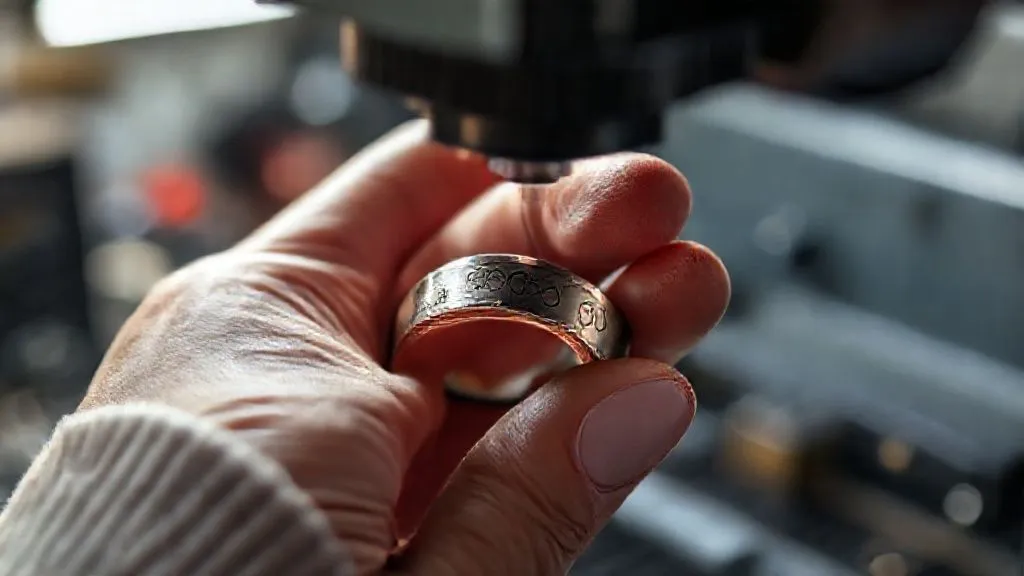
Start with a meticulous hands-on examination. Use jeweler's loupes, microscopes, and precision calipers. Look for: porosity (tiny air bubbles), cracks, uneven surfaces, misaligned prongs, loose stones, incorrect dimensions, or any deviation from the original CAD specifications. Compare it directly to a perfectly executed piece if available, or a known good standard.
Step 2: CAD Model & Blueprint Cross-Verification
Pull up the original CAD file and engineering blueprints. Did the physical piece deviate from the digital design? Were there any last-minute manual adjustments not reflected in the CAD? Sometimes, what appears to be a manufacturing error is actually a design detail that wasn't adequately communicated or correctly interpreted during production.
Step 3: Material Testing & Certification Review
If material integrity is suspected, consider sending a small sample for metallurgical analysis. Review the material certifications from your supplier. Were the correct alloys used? Is the purity as specified? For gemstones, re-verify their specifications against their certificates.
Case Study: The 'Shifting Solitaire' Saga
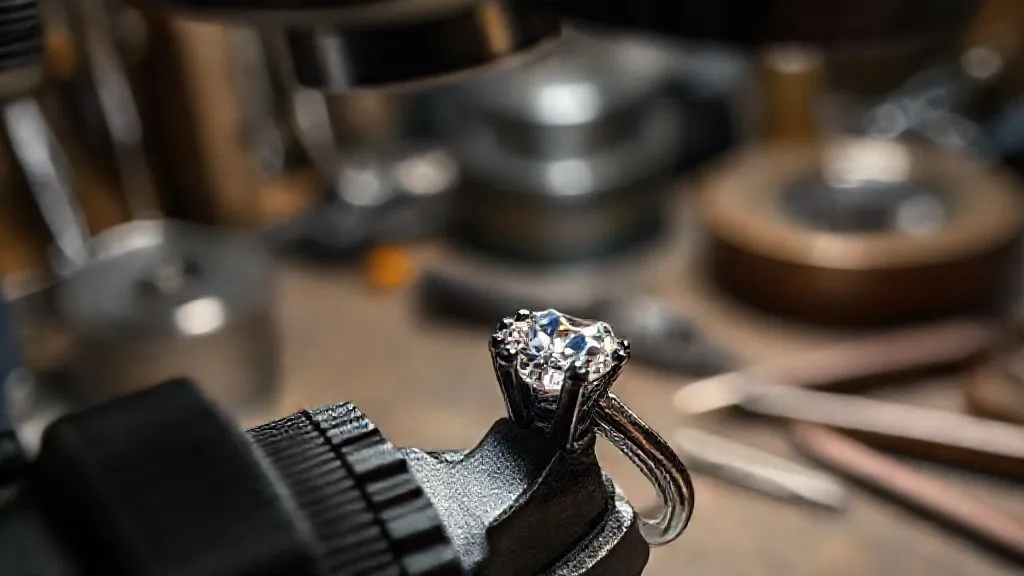
I once worked with a client who ordered a stunning custom solitaire engagement ring. During final QC, we noticed the center diamond, while secure, had a barely perceptible 'shift' when gentle pressure was applied, indicating potential long-term looseness. Initial thoughts pointed to the setter. However, after a thorough root cause analysis, cross-referencing the CAD with the physical piece, we discovered a minute discrepancy. The CAD design specified a prong tip that was 0.05mm thicker than what was actually cast, due to a wax shrinkage compensation error in the 3D printing stage. This seemingly tiny difference meant the prongs, once set, didn't have enough material to be perfectly pushed over the girdle of the diamond, creating that slight play. The solution wasn't to blame the setter, but to adjust the CAD compensation factor for future prints, ensuring the ideal prong thickness was achieved. This resulted in flawless future settings and a refined internal process.
| Defect Type | Root Cause Category | Potential Solutions |
|---|---|---|
| Porosity | Casting | Adjust flask temperature, improve vacuum, optimize sprue design |
| Loose Stone | Setting/Design | Re-cut seat, adjust prong angle, increase metal thickness |
| Uneven Surface | Finishing | Improve polishing technique, use finer abrasives, check for tool marks |
| Dimensional Inaccuracy | CAD/Manufacturing | Verify CAD, calibrate 3D printer, check master model |
Crafting the Solution: Repair, Rework, or Remake?
Once the root cause is identified, the next step is to determine the most appropriate corrective action. This decision is critical, balancing cost, time, and the ultimate quality of the piece.
Minor Adjustments & Polishing
For superficial flaws like minor scratches, slight unevenness in the polish, or a tiny burr, a skilled jeweler can often perform minor adjustments. This might involve re-polishing, light filing, or a quick laser touch-up. These are typically low-cost and quick fixes that don't compromise the structural integrity or original design of the ring.
Targeted Reworks: Addressing Structural Issues
More significant issues, such as a slightly misaligned prong, a small area of porosity, or a weak solder joint, may require a targeted rework. This could involve laser welding to fill porosity, re-tipping a prong, or re-soldering a component. Reworks demand precision and expertise to ensure the repair is invisible and the ring's overall strength is maintained. This option is often viable when the core structure is sound but specific areas need attention.
The Full Remake: When to Start Over
Sometimes, the damage or defect is so extensive, or so fundamental to the structure, that a repair or rework would compromise the integrity, aesthetics, or longevity of the ring. This is often the case with severe porosity throughout the casting, significant dimensional inaccuracies, or if the metal has been over-stressed. While a remake is the most costly and time-consuming option, it is sometimes the only way to ensure the client receives a truly flawless piece. As an expert, I've learned that biting the bullet and remaking a piece, though painful, is invariably the right decision for your reputation and the client's satisfaction in the long run.
Implementing Corrective Actions & Prevention Strategies
Solving the immediate problem is only half the battle. The true mark of an expert is learning from mistakes and implementing strategies to prevent similar failures in the future. This is how you build a resilient, high-quality operation.
Refining Your CAD Design Workflow
Regularly review and update your CAD libraries and design parameters. Implement stricter design review protocols, perhaps with a second designer checking structural integrity and manufacturability before a design is sent to production. Utilize simulation software to stress-test designs virtually before committing to physical production.
Enhancing Jeweler Training & Skill Development
Invest in continuous education and training for your jewelers. This includes workshops on new techniques, refresher courses on fundamental skills, and cross-training to broaden their expertise. Encourage a culture of meticulousness and attention to detail. Regular internal audits of workmanship can also highlight areas for improvement.
Investing in Advanced QC Technology
Modern technology offers powerful tools for quality control. Consider investing in 3D scanners for precise measurement verification, advanced metallurgical testing equipment, or even automated visual inspection systems. These tools can catch subtle flaws that human eyes might miss, significantly reducing the likelihood of a custom ring setting design failing quality control.
Client Communication & Expectation Management
Even with the best recovery plan, the client experience during a QC failure can make or break your relationship. How you manage their expectations and communicate updates is paramount.
Transparency is Key: Updates & Explanations
Once you've diagnosed the problem and decided on a solution, communicate this clearly to your client. Explain what happened (without excessive blame or technical jargon), what steps you are taking to fix it, and the revised timeline. Provide regular updates, even if it's just to say, "We're still on track with the rework, and I'll update you again on [date]."
Offering Solutions & Timelines
Present the solution confidently. "We've decided a complete remake is the best course of action to ensure perfection, and it will be ready by [new date]." If appropriate, consider offering a small gesture of goodwill, such as expedited shipping or a complimentary cleaning kit, though this should not overshadow the quality of the resolution itself. The focus should always be on delivering the perfect piece they envisioned.
Rebuilding Trust: The Long-Term Relationship
A well-handled QC failure can actually strengthen client trust. It demonstrates your integrity, your commitment to quality, and your willingness to go the extra mile. Follow up after they receive the corrected ring to ensure their complete satisfaction. This proactive approach reinforces your dedication to their happiness and builds loyalty.
| Phase | Action | Key Message |
|---|---|---|
| Discovery | Immediate client notification (within 24 hours) | Identified minor flaw, committed to perfection, revised timeline. |
| Diagnosis & Solution | Detailed explanation of fix & new timeline | What happened, how we're fixing it, when to expect it. |
| Resolution | Regular updates until completion | On track, next update on [date]. |
| Post-Delivery | Follow-up for satisfaction | Ensuring complete happiness with the perfect ring. |
The Value of a Robust Quality Assurance System
Ultimately, the goal isn't just to react to failures, but to build a system that minimizes their occurrence. A robust Quality Assurance (QA) system is your proactive defense against the question of what to do when a custom ring setting design fails quality control.
Establishing Clear Standards & Checkpoints
Define clear, measurable quality standards for every stage of your production process, from CAD design to casting, setting, and final polish. Implement mandatory checkpoints where pieces are inspected against these standards. Empower your team members to halt production if a standard isn't met, fostering a culture of shared responsibility for quality.
Continuous Improvement & Feedback Loops
Every QC failure is a data point. Analyze trends in defects, identify common root causes, and use this information to refine your processes. Implement feedback loops where findings from QC are shared with design, casting, and setting teams, allowing for continuous learning and adaptation. As a veteran in this industry, I've seen that the most successful jewelers are those who view every challenge as an opportunity to refine their craft and processes. This commitment to continuous improvement is detailed in best practices for manufacturing, often highlighted by organizations like the Gemological Institute of America (GIA), which emphasizes precision and excellence across all facets of gemology and jewelry production.
"Proactive quality assurance isn't an expense; it's an investment in your brand's integrity, client satisfaction, and long-term profitability. It ensures that the only surprises are delightful ones."
By integrating these principles, your workshop moves from reactive problem-solving to proactive quality management, ensuring that each custom ring setting you produce is a testament to your unwavering commitment to excellence. Industry bodies like the Jewelers Vigilance Committee (JVC) also provide guidelines that underscore the importance of ethical practices and quality in jewelry, further emphasizing the need for robust internal QA.
Frequently Asked Questions (FAQ)
Who bears the cost when a custom ring setting fails QC? Generally, the cost of rectifying a quality control failure, whether it's a repair, rework, or remake, is borne by the jeweler or manufacturer. This is considered part of the cost of doing business and upholding your quality guarantee. Attempting to pass these costs onto the client can severely damage trust and reputation. In cases where a supplier's material or component caused the failure, you might seek recourse from them, but the immediate responsibility to your client remains with you.
How long does a rework or remake typically add to the production timeline? The added time varies significantly based on the complexity of the ring and the nature of the defect. A minor rework might add a few days, while a complete remake could add several weeks, often mirroring the original production time. It's crucial to provide a realistic, rather than optimistic, revised timeline to your client and to communicate any further delays proactively. Transparency is key to managing expectations, a practice emphasized in customer service best practices, as outlined by resources like Harvard Business Review.
Can a client refuse a repaired or remade ring if they are not satisfied? Yes, a client always has the right to be completely satisfied with their custom piece. If, after your best efforts to repair or remake the ring, they are still genuinely unhappy with the quality or feel it doesn't meet the agreed-upon design, you may need to discuss further solutions, which could include a refund or store credit. Having a clear return and satisfaction policy in place, communicated upfront, can help manage these situations.
What if the client becomes very upset or threatens negative reviews? In such emotional situations, empathy, active listening, and a calm, professional demeanor are paramount. Acknowledge their frustration without becoming defensive. Reiterate your commitment to their satisfaction and present your proposed solution. Document all communications. If the situation escalates, seek legal counsel regarding your consumer rights and obligations. Often, a sincere apology and a demonstrably strong commitment to making things right can de-escalate tension and prevent negative outcomes, as discussed in numerous articles on conflict resolution in business. For guidance on ethical conduct in the jewelry industry, resources such as AGTA (American Gem Trade Association) can be valuable.
Beyond the immediate fix, how can I prevent this from happening again in my workshop? Prevention requires a multi-faceted approach. Regularly audit your processes, from initial design consultation and CAD creation to casting, setting, and finishing. Invest in ongoing training for your staff and ensure equipment is properly maintained and calibrated. Establish rigorous, multi-stage quality control checkpoints throughout production. Foster a culture where quality is everyone's responsibility, and learning from mistakes is encouraged, not punished. Implementing robust quality management systems, often informed by principles found in general manufacturing excellence, is a long-term investment.
Key Takeaways and Final Thoughts
Navigating the disappointment and complexity of a custom ring setting design failing quality control can be one of the most challenging aspects of a jeweler's work. However, it is also one of the most profound opportunities for growth and to solidify your reputation for uncompromising quality.
- Understand the Root Cause: Don't just fix; diagnose whether the issue is design, material, or manufacturing related.
- Communicate Proactively: Be transparent and empathetic with your client, focusing on your commitment to perfection.
- Choose Wisely: Determine if a repair, rework, or complete remake is truly necessary for a flawless outcome.
- Implement Prevention: Use every failure as a learning experience to refine your designs, training, and QA processes.
- Rebuild Trust: A well-handled recovery can strengthen client loyalty more than a smooth, uneventful transaction.
As an industry veteran, I've learned that true mastery isn't about never making mistakes, but about how you respond when they inevitably occur. By embracing these principles, you not only address what to do when a custom ring setting design fails quality control, but you transform a potential setback into a powerful demonstration of your expertise, integrity, and unwavering dedication to crafting dreams into tangible, perfect realities for your clients. Keep learning, keep refining, and keep delivering nothing less than exceptional.
Recommended Reading
- Navigating Wedding Cake Allergies: 7 Expert Steps for a Safe Celebration
- 5 Essential Strategies: Prevent Scope Creep in Custom Wedding Dress Designs
- 7 Proven Ways to Make Awkward Wedding Couples Look Natural & Radiant
- 7 Expert Tips: How to Prevent Wedding Cocktail Hour Boredom with Music
- 7 Expert Strategies: How to Seat Divorced Parents Who Refuse to Sit Together?



Comments
Leave a comment below. Your email will not be published. Required fields marked with *