



How to Salvage Wilted Wedding Flowers Delivered Damaged? An Expert's Urgent Guide
For over 15 years in the wedding flower industry, I've witnessed the full spectrum of emotions surrounding bridal blooms – from the ecstatic gasps of joy to the heart-wrenching despair when a carefully chosen bouquet arrives looking less than perfect. It's a scenario that no couple, no planner, and certainly no florist ever wants to face: the dreaded sight of wilted wedding flowers delivered damaged, just hours before the "I do's."
The problem isn't just cosmetic; it's deeply emotional. These aren't just flowers; they're symbols of love, hope, and the culmination of months of planning. Seeing them droopy, bruised, or broken can feel like a personal affront to the magic of the day, creating a frantic panic that no one needs during such a special time.
But here's the crucial truth I've learned: all is not lost. In this definitive guide, I will walk you through my proven, step-by-step protocol on how to salvage wilted wedding flowers delivered damaged, offering practical, expert-backed strategies and the exact techniques I've used to bring countless arrangements back from the brink. We'll cover everything from immediate first aid to long-term care and even contingency planning, ensuring you have the knowledge to turn a potential disaster into a minor setback.
Immediate Assessment: Understanding the Damage
The very first step in any flower emergency is a calm, thorough assessment. Panic is unproductive; clear observation is your best friend. Before you can apply a solution, you must understand the problem.
Identify the Type of Wilt and Damage
Not all wilting is created equal. Is it simple dehydration, or is there physical trauma involved? This distinction is paramount for choosing the correct rescue mission.
- Observe the Stems: Are they firm or soft and bendy? Soft stems often indicate severe dehydration or potential stem rot.
- Examine the Petals: Are they merely soft and slightly droopy, or are they discolored, bruised, or torn? Bruising suggests physical impact.
- Check Water Levels: Was the bouquet delivered with a water source (e.g., a water tube, a vase)? A dry delivery is a huge red flag for dehydration.
- Note the Temperature: Were the flowers exposed to extreme heat or cold during transit? Temperature shock can cause rapid wilting.
Understanding these initial signs will dictate your next moves. A flower suffering from dehydration often has a better chance of full recovery than one with significant physical damage.
The Critical First Aid: Rehydration Techniques
Dehydration is the most common culprit for wilted flowers, especially after transit. Luckily, it's often the easiest to remedy with the right approach.
The Water Bath Method (The "Spa Day" for Flowers)
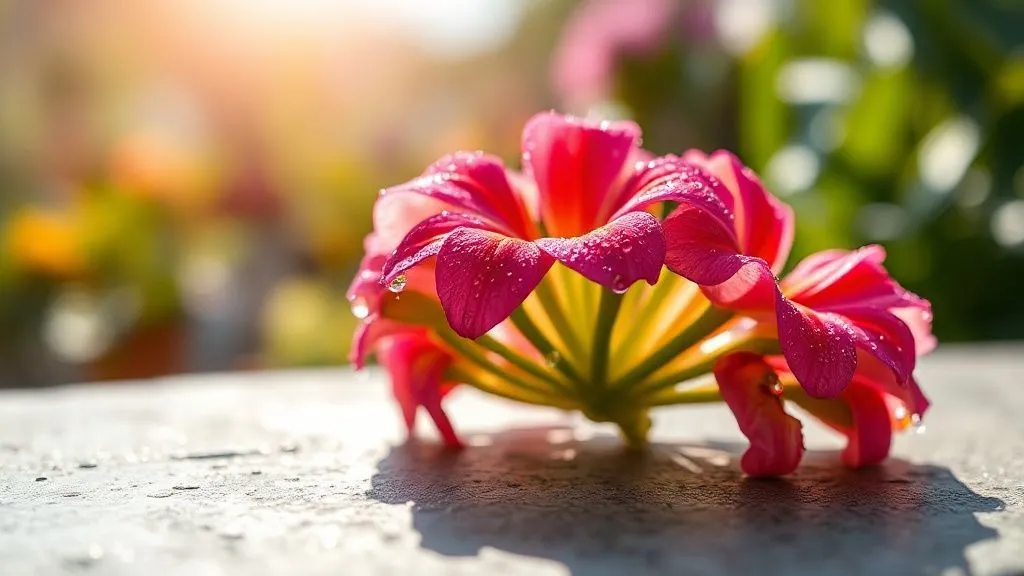
This technique is a lifesaver for severely dehydrated blooms. It allows the flowers to absorb water not just through their stems, but also through their petals and leaves, providing a rapid rehydration boost.
- Prepare a Clean Basin: Fill a clean sink or tub with cool (not cold) water. Ensure it's deep enough to submerge the flower heads.
- Submerge Gently: Carefully place the entire bouquet or individual flowers into the water, ensuring the heads are fully immersed.
- Soak Time: Let them soak for 30 minutes to an hour. For very severe cases, I've sometimes left them for up to two hours. You'll often see them perk up right before your eyes.

Stem Recutting & Hydration Solution
After their water bath or for less severe wilting, proper stem preparation is crucial for efficient water uptake.
- Recut Stems Underwater: Using a sharp knife or floral shears, recut about an inch off the bottom of each stem at an angle, preferably while holding the stem underwater. This prevents air bubbles from entering the vascular system, which can block water absorption.
- Prepare Fresh Water: Fill a clean vase with fresh, cool water mixed with a professional floral food solution. Avoid tap water alone, as it lacks the necessary nutrients and pH balance.
- Place Immediately: Transfer the recut flowers directly into the prepared vase.
"In my two decades of working with high-stakes wedding florals, I've learned that clean tools and fresh, properly conditioned water are non-negotiable. They are the bedrock of successful flower revival."
According to the American Society for Horticultural Science, proper post-harvest hydration and nutrition are critical for extending the vase life and appearance of cut flowers, directly impacting their ability to recover from stress.
Addressing Physical Damage: Gentle Repair
Sometimes, wilting is compounded by physical trauma. While you can't reverse a snapped stem, you can often mitigate the appearance and prevent further deterioration.
Broken Stems and Petals
For minor breaks, a little ingenuity can go a long way.
- Minor Stem Bends: If a stem is bent but not completely snapped, gently straighten it and support it with floral tape or a thin wire. This might not fully restore water flow, but it can improve appearance.
- Torn Petals: Carefully remove only the most severely torn or bruised outer petals. Do this sparingly, as removing too many can alter the flower's shape.
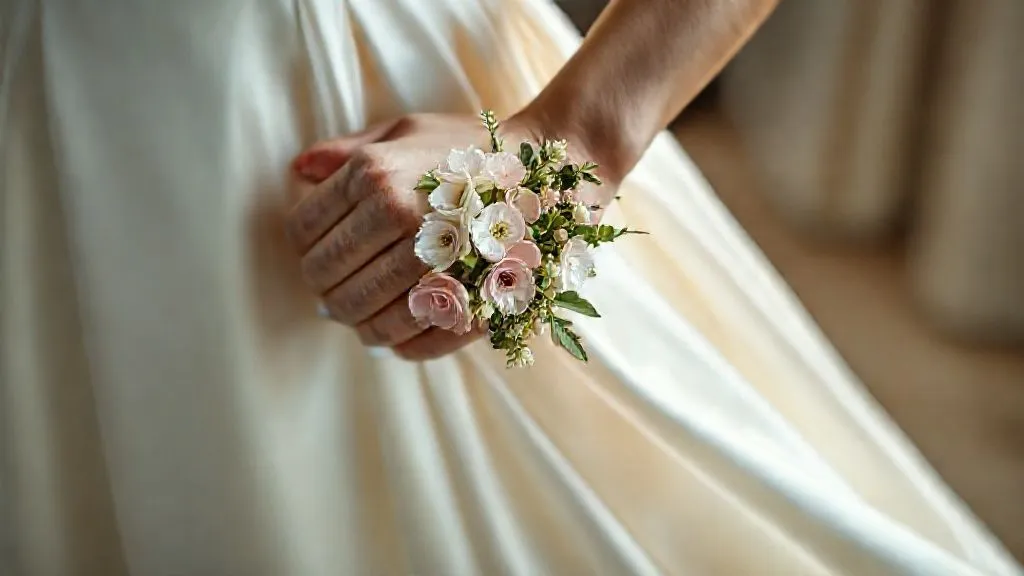
- Snapping Stems: If a stem is completely snapped, it's often best to remove the flower from the main arrangement and try to float the bloom in a shallow dish of water, or incorporate it into a smaller, separate boutonniere or corsage if possible.
Bruised Blooms
Bruising often appears as dark or translucent spots on petals. While irreversible, you can minimize its visual impact.
Gently mist the entire bouquet with water, which can temporarily plump up petals and make minor bruising less noticeable. Avoid touching bruised areas directly, as this can worsen the damage. Focus on keeping the surrounding petals fresh and vibrant.
Nutrient Boosts and Environmental Control
Once rehydrated, flowers need the right environment to thrive and maintain their revived state.
Flower Food & Chilling
A good floral food isn't just sugar water; it contains a precise blend of nutrients, a biocide to inhibit bacterial growth, and a pH regulator, all essential for cut flower longevity. Chilling, within limits, can dramatically extend their life.
- Use Professional Floral Food: Always use the packet provided by your florist or purchase a high-quality commercial floral food. Follow mixing instructions precisely.
- Cool, Dark Environment: Once revived, store the flowers in the coolest part of the room, away from direct sunlight, drafts, and ripening fruit (which emits ethylene gas, a natural flower killer).
- Refrigeration (Cautiously): If available, a dedicated floral refrigerator set to 38-42°F (3-5°C) is ideal. A standard household refrigerator can work, but remove all fruit and vegetables first, and ensure the temperature isn't too low to freeze the flowers.

Humidity Management
Low humidity can quickly lead to re-wilting, especially in air-conditioned environments.
Regularly misting the flowers with a fine spray of water can help maintain humidity around the blooms. For more sustained humidity, you can place a shallow tray of water near the flowers, ensuring it doesn't get too close to cause water spotting on delicate petals.
| Condition | Effect on Flowers | Ideal Range |
|---|---|---|
| Optimal Temperature | Slows metabolism, reduces water loss, extends vase life | 38-42°F (3-5°C) |
| High Humidity | Reduces transpiration, prevents dehydration | 80-90% |
| Clean Water & Food | Provides nutrients, inhibits bacterial growth, maintains pH | Change daily/every other day |
When to Call the Pros: Communicating with Your Florist
Even with your best efforts, some damage might be beyond DIY repair. This is when your florist becomes your crucial partner in resolving the situation. Do not delay this step.
Documenting the Damage
Before you even touch the flowers, document everything. This is vital for any potential resolution or claim.
- Photographs & Videos: Take clear, well-lit photos and short videos from multiple angles, showing the overall state of the arrangement and close-ups of specific damaged areas. Include the packaging.
- Time & Date: Note the exact time and date the flowers were received and when the damage was discovered.
- Delivery Conditions: Document any observations about the delivery itself – was the driver careful? Was the box upright?

Negotiating Solutions
Approach your florist calmly but firmly, presenting your documentation. Most reputable florists will want to rectify the situation.
They might offer to replace specific blooms, provide a partial refund, or even send a new, smaller arrangement. Be open to their suggestions, but also be clear about what you need for your wedding day. Remember, their reputation is also at stake.
Case Study: How a Quick Call Saved Sarah's Peonies
Sarah's dream wedding featured lush, blush peonies. On delivery, several key blooms in her centerpiece arrived with noticeable browning on the outer petals and a general droop. Instead of panicking, Sarah immediately took photos and videos, then called her florist. The florist, understanding the urgency and seeing the clear documentation, dispatched an assistant with fresh peonies and floral tape within two hours. The assistant carefully replaced the damaged blooms and provided additional hydration solution. Sarah's centerpiece was picture-perfect just before the ceremony, thanks to her prompt action and the florist's swift response. This resulted in a stress-free bride and a flawless aesthetic.
Long-Term Care & Prevention for Remaining Blooms
Once you've salvaged your wedding flowers, maintaining their freshness until the ceremony is paramount. Prevention is always better than cure.
Optimal Storage Conditions
Even after revival, flowers are delicate. Treat them with utmost care.
- Keep them in a cool, shaded area, away from direct sunlight, heat vents, and open windows.
- Ensure their water is changed daily, or at least every other day, with fresh floral food solution.
- Remove any leaves that fall below the waterline to prevent bacterial growth, which can foul the water and shorten vase life.
Pre-Wedding Day Rituals
The day before the wedding, or even the morning of, give your flowers one last check and a boost.
Recut stems again if possible, and give them a final deep drink of fresh water and floral food. A light misting a few hours before photos can also help them look their absolute best. This proactive approach significantly reduces the chances of them wilting again on the big day.
Alternative Solutions for Unsalvageable Flowers
Sometimes, despite best efforts, some flowers are simply too far gone. It's important to have backup plans and a flexible mindset.
Backup Plans and Creativity
If a significant portion of your wedding flowers cannot be salvaged, don't despair. There are still options.
- Contact Local Flower Shops: Many local florists keep a stock of popular wedding flowers. You might find a quick replacement.
- Utilize Other Decor: Lean into other decorative elements you might have – candles, greenery, ribbons – to fill gaps or create new focal points.
- Embrace Simplicity: Sometimes, less is more. A simpler arrangement can still be stunning.
- Foraged Greenery: If appropriate for your venue and style, consider incorporating fresh, clean greenery from a garden or local park (with permission, of course) to add volume and texture.
"In my experience, the true beauty of a wedding isn't in perfection, but in the love and joy celebrated. A minor flower setback can be an opportunity for creative problem-solving and a reminder of what truly matters."
As marketing guru Seth Godin often says, "The market wants what it wants, and the job of the marketer is to figure out what that is." In this context, the "market" is your wedding day, and your "job" is to adapt and find solutions that still bring joy, even if it's not the exact initial vision.
| Scenario | Backup Option 1 | Backup Option 2 |
|---|---|---|
| Main Bouquet Unsustainable | Smaller, simpler bouquet from available blooms | Use a single statement bloom (e.g., a perfect rose) from another arrangement |
| Centerpieces Look Sparse | Add candles and greenery to fill space | Repurpose bridesmaid bouquets as additional table decor |
| Key Boutonnieres/Corsages Damaged | Create new ones with resilient filler flowers/greenery | Use pocket squares or elegant pins as alternatives |
My Personal Protocol: A Wedding Day Emergency Kit
Having a small, well-stocked emergency kit on hand for your wedding day can be a game-changer for any floral mishap, especially if you're dealing with wilted wedding flowers delivered damaged.
- Sharp Floral Shears/Knife: For recutting stems cleanly.
- Small Spray Bottle: For misting and rehydration.
- Floral Tape & Wire: For minor repairs and support.
- Small Packets of Floral Food: For fresh water solutions.
- Clean Cloths/Paper Towels: For spills and drying.
- Plastic Water Tubes: For individual blooms that need extra hydration on the go.
- A Small, Clean Vase: For temporary holding.

Frequently Asked Questions (FAQ)
How quickly can wilted wedding flowers recover? Recovery time varies greatly depending on the flower type, severity of dehydration, and how quickly you act. Some hardy blooms like roses can show significant improvement within 30 minutes to an hour of proper rehydration, while more delicate flowers might take longer or only partially recover. Immediate action is always key.
Can I use sugar water instead of professional floral food? While sugar provides a food source, it lacks the biocide and pH regulator found in professional floral food. Sugar water can actually encourage bacterial growth, which clogs stems and shortens vase life. It's always best to use a commercial floral food or, in a pinch, just clean water. Avoid home remedies like bleach or aspirin, as they can do more harm than good.
What if the flower stems are completely snapped? Unfortunately, a completely snapped stem cannot be reattached to effectively transport water. In such cases, your options are limited to either removing the damaged flower from the arrangement or, if the bloom itself is still beautiful, floating the flower head in a shallow dish of water. Consider if the bloom can be repurposed for a boutonniere or a small accent.
How do I prevent my wedding flowers from wilting during delivery next time? Prevention starts with clear communication with your florist. Discuss delivery logistics, preferred hydration methods (e.g., water tubes for bouquets), and ideal arrival times. Ensure the delivery vehicle is climate-controlled and that the flowers aren't left in a hot car. Request a "flower care" sheet upon delivery. For more insights on professional handling, you can refer to resources from the Society of American Florists (SAF).
Is it possible to get a refund or compensation for damaged wedding flowers? Yes, if the damage is clearly due to the florist's negligence in handling or delivery, you are generally entitled to a resolution. Document everything thoroughly (photos, videos, communication logs) and present it to your florist. Most reputable florists will offer a replacement, partial refund, or credit. If a satisfactory resolution isn't reached, you can escalate to consumer protection agencies, though this is rare in the wedding industry if you choose a trusted vendor. For consumer rights, you might consult resources like the USA.gov Consumer Complaints guide.
Key Takeaways and Final Thoughts
Dealing with wilted wedding flowers delivered damaged can feel like a devastating blow on a day meant for joy. However, as an industry veteran, I can assure you that with prompt, informed action and a calm approach, many floral emergencies are entirely salvageable. Your ability to assess, rehydrate, and gently repair can make all the difference.
- Act Immediately: Time is of the essence for rehydration.
- Document Everything: For communication with your florist.
- Use Proper Techniques: Recutting stems, water baths, and floral food are crucial.
- Control the Environment: Cool temperatures and humidity are your allies.
- Communicate with Your Florist: They are your best resource for severe issues.
- Have a Backup Plan: Be prepared for the unexpected.
Remember, your wedding day is about celebrating love. While beautiful flowers enhance the atmosphere, they don't define the depth of your commitment. Approach any floral challenge with a problem-solving mindset, and you'll find that even small imperfections can become part of a unique, cherished memory. Trust your instincts, follow these guidelines, and embrace the beauty of your day, perfectly imperfect or not.
Recommended Reading
- 5 Smart Strategies: Sourcing Personalized Bachelorette Gifts for Every Guest
- Unlock Dream Bridal Showers: Affordable Ideas for Small Budgets!
- Outdoor Wedding Lighting on a Budget: Magical Ambiance, Low Cost!
- 7 Ways to Elevate Practical Wedding Favors: Avoid Cheap & Generic
- Wedding Cake Emergency: 5 Urgent Fixes for Fondant Bubbles



Comments
Leave a comment below. Your email will not be published. Required fields marked with *