


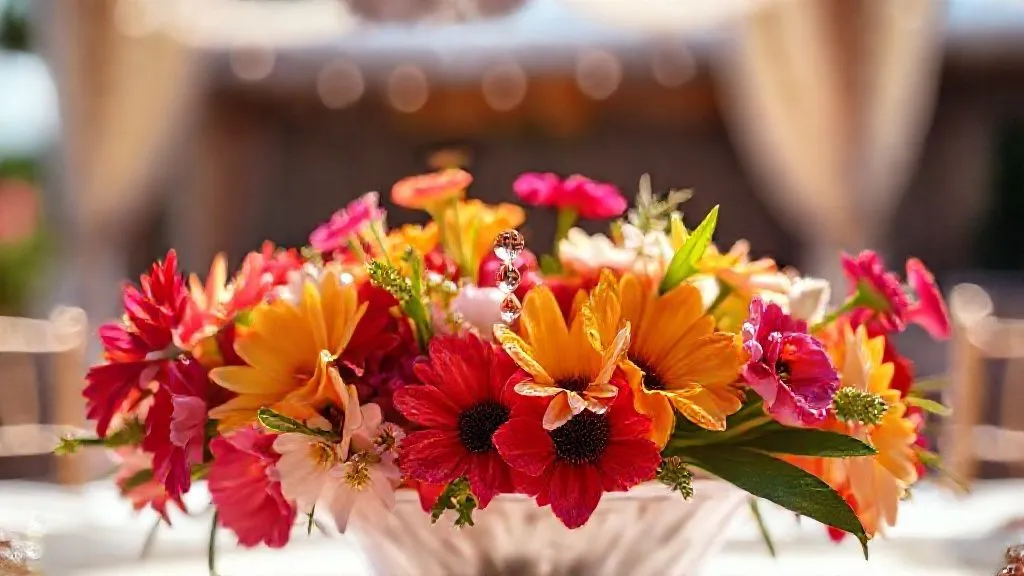
How to Prevent Reception Flowers from Wilting in Extreme Heat?
For over 15 years, navigating the intricate world of wedding florals, I've witnessed the sheer joy a perfect centerpiece brings – and the quiet despair when those same blooms begin to droop before the first dance. It's a scenario no couple, nor their florist, ever wants to face, especially when the summer sun decides to turn up the heat to extreme levels.
The sight of wilting reception flowers, once vibrant and full of life, slowly succumbing to intense temperatures is genuinely heartbreaking. It tarnishes the carefully curated aesthetic of a wedding day, leaving behind a subtle, yet undeniable, sense of disappointment. Many couples approach me with this very real fear, wondering if their dream of lush floral arrangements is compatible with a hot climate.
But I'm here to tell you it absolutely is. In this definitive guide, I'll share the battle-tested strategies, expert insights, and practical frameworks I've developed over years in the field. You'll learn precisely How to prevent reception flowers from wilting in extreme heat? – transforming potential floral fiascos into lasting memories of exquisite beauty, regardless of the thermometer's reading.
1. Understanding the Enemy: Why Heat is a Floral Foe
Before we can combat wilting, we must first understand its root cause. Flowers, like all living organisms, are sensitive to their environment. Extreme heat accelerates their metabolic processes and, more critically, their rate of water loss.
The Science Behind the Sag: Transpiration and Dehydration
Flowers lose water primarily through a process called transpiration, where moisture evaporates from their petals and leaves. In high temperatures, this process dramatically speeds up. While some transpiration is natural and necessary for nutrient transport, excessive loss leads to dehydration, causing cells to lose turgor pressure – that internal stiffness that keeps petals firm and upright. Without enough water, cells collapse, and the flower wilts.
Another factor is accelerated respiration. Heat causes flowers to 'breathe' faster, consuming their stored sugars more rapidly. This depletion of energy, combined with dehydration, is a one-two punch that leaves blooms exhausted and limp. My experience has taught me that addressing both water loss and energy depletion is key to keeping flowers fresh.
Expert Insight: "The battle against wilting in extreme heat is fundamentally a battle against rapid dehydration and accelerated energy consumption. Every strategy we employ aims to slow these processes down and replenish what is lost."
2. The Pre-Wedding Prep: Foundation for Freshness
The fight against heat stress begins long before the flowers arrive at the venue. Proper conditioning and selection are paramount. I always emphasize that a flower's longevity in challenging conditions is largely determined by its initial health.
Choosing the Right Blooms: Heat-Tolerant Varieties
This is perhaps the most critical first step. Not all flowers are created equal when it comes to heat tolerance. I always guide my clients towards varieties known for their resilience. Roses, for instance, are generally quite robust, especially garden roses with their thicker petals. Carnations, chrysanthemums, and orchids (particularly Phalaenopsis) are also excellent choices. On the other hand, delicate blooms like hydrangeas, sweet peas, and delphiniums are notoriously heat-sensitive and should be used with extreme caution or avoided entirely in hot climates.
Consider the natural habitat of the flower. If it thrives in warm, sunny regions, it's likely a better candidate for your summer reception. According to horticultural studies, species with thicker cuticles or waxy coatings tend to resist water loss more effectively. Research on plant physiology consistently shows that certain plant structures are naturally adapted to arid conditions.
Hydration is Key: Advanced Conditioning Techniques
Once selected, flowers need rigorous hydration. This isn't just about putting them in water; it's about giving them a fighting chance. Here's my proven conditioning protocol:
- Immediate Processing: As soon as flowers arrive, unwrap them, remove any foliage below the waterline, and re-cut stems under water at a sharp angle. This prevents air bubbles from blocking water uptake.
- Hydrating Solution: Place stems immediately into buckets of clean water mixed with a professional floral food solution. These solutions provide essential sugars for energy and a biocide to inhibit bacterial growth, which can clog stems.
- Deep Conditioning: Allow flowers to drink for at least 4-6 hours, preferably overnight, in a cool, dark environment. This allows them to fully rehydrate and 'harden off.'
- Anti-Transpirants: For extremely delicate or high-value blooms, I sometimes apply an anti-transpirant spray. These products create a thin, breathable film on petals and leaves, reducing water loss without suffocating the plant.
This intensive pre-treatment ensures that every single cell is engorged with water and nutrients, creating a reservoir that helps them withstand the heat of the reception. It's like sending them into battle fully fueled and hydrated.

3. Strategic Design: Adapting Arrangements for Arduous Temperatures
The way an arrangement is constructed can significantly impact its ability to endure heat. Thoughtful design choices can create microclimates that protect your precious blooms.
Water-Rich Mechanics: Oasis vs. Water Picks
For centerpieces and larger installations, the mechanics holding the flowers are crucial. While floral foam (Oasis) is common, it can dry out, especially in heat. I often prefer using water picks or creating arrangements where stems are directly in water. For foam-based designs, saturate the foam thoroughly and consider enclosing it in a plastic liner to slow evaporation.
- Water Picks: Small vials filled with water, ideal for individual stems in larger installations or where rehydration might be needed.
- Grid Method: Using floral tape or chicken wire to create a grid directly in a water-filled vase, allowing stems to draw water directly.
- Layering Foliage: Strategically placing foliage around the base of the arrangement can help shade the stems and the water source, reducing evaporation.
Smart Container Choices: Insulating Your Blooms
The vessel holding your flowers also plays a role. Dark-colored, thin-walled containers can absorb and transfer heat rapidly to the water, warming it up and potentially stressing the flowers. My recommendations:
- Light-Colored or Ceramic Vases: These materials tend to stay cooler than dark glass or metal.
- Double-Walled Containers: Similar to a thermos, these provide insulation, keeping the water temperature more stable.
- Larger Water Reservoirs: Taller, wider vases hold more water, which takes longer to heat up and provides a greater supply for the flowers.
I've seen firsthand how a simple change in vase material can make a dramatic difference in a flower's lifespan in a hot outdoor setting. It's a small detail with a huge impact.
4. Logistics and Timing: The Day-Of Delivery and Setup
The journey from the floral studio to the reception venue is a critical window where flowers are most vulnerable. Meticulous planning here is non-negotiable.
Controlled Environments: Transporting Flowers Safely
Transportation in extreme heat requires a climate-controlled vehicle. A regular van, even with AC, can experience significant temperature fluctuations. I always insist on refrigerated vans for large deliveries during summer months. If a refrigerated vehicle isn't available, ensure the AC is blasting, and consider packing arrangements with frozen gel packs (not ice, which can cause condensation damage) to maintain a cool microclimate.
Timing of delivery is also vital. Deliver as close to the event start as possible, allowing minimal exposure time. If flowers must arrive early, ensure the venue has a cool, shaded, and air-conditioned space for them to rest until setup.
Optimal Placement: Avoiding Direct Sun and Hot Spots
Once at the venue, strategic placement is key. Direct sunlight is the enemy. Even heat radiating from nearby windows, hot pavement, or kitchen vents can quickly damage flowers. Position centerpieces away from these hot spots.
- Shade is Your Friend: For outdoor receptions, arrange tables under tents, pergolas, or large trees.
- Elevate Off Hot Surfaces: If tables are on hot concrete or asphalt, ensure there's a barrier.
- Airflow: Good air circulation can help dissipate heat. Avoid placing flowers in stagnant, enclosed hot areas.
My Golden Rule: "Never underestimate the power of shade and strategic placement. A beautiful arrangement placed directly in the blazing sun is a wilting arrangement waiting to happen, no matter how well it was conditioned."

5. On-Site Care: Maintaining Vibrancy During the Event
Even with the best preparation, extreme heat demands ongoing vigilance. Having a plan for on-site maintenance can be a game-changer for your reception flowers.
The Misting Magic: A Temporary Fix
For certain types of flowers, a light misting with cool, clean water can provide temporary relief. This is especially effective for foliage-heavy arrangements or blooms that absorb water through their petals (like hydrangeas, though still risky in extreme heat). However, misting should be done judiciously. Too much moisture can encourage fungal growth or spot delicate petals, particularly those of roses or lilies. Use a fine mist sprayer and avoid soaking the flowers.
Emergency Rehydration: What to Do When Disaster Strikes
Despite all precautions, sometimes a few blooms might start to look distressed. Having an emergency kit and a quick action plan can save the day:
- Spot Rehydration: Gently remove the wilting stem, re-cut it under water, and place it in a small container of fresh, cool water with floral food. Allow it to rehydrate in a cool, dark place for 30 minutes to an hour.
- Replacement Strategy: For critical areas like the head table, I always have a few spare, pre-conditioned blooms or even a small backup arrangement on standby. This allows for quick, discreet replacements if needed.
- Temperature Check: If wilting is widespread, it's a sign that the ambient temperature is too high. Can fans be brought in? Can a tent side be opened for airflow? Addressing the environmental factor is paramount.
My emergency kit for hot weather weddings always includes:
| Item | Purpose |
|---|---|
| Sharp floral snips | Re-cutting stems quickly |
| Small water vials/tubes | Individual stem rehydration |
| Floral food packets | Nutrient boost for distressed flowers |
| Fine mist spray bottle | Temporary cooling and hydration |
| Clean towels | Drying spills, protecting surfaces |
| Spare conditioned blooms | Quick replacements |
| Zip ties/floral wire | Securing elements |
6. Case Study: How Sarah & Mark's Desert Oasis Wedding Stayed Fresh
A Triumph Over Triple-Digit Temperatures
I recall a wedding I designed for Sarah and Mark in Palm Springs, California, during a late August weekend. The forecast was brutal: 105°F (40°C). Sarah's dream was a lush, romantic garden aesthetic, but she was terrified of wilting.
We implemented every strategy I've outlined. First, we meticulously selected heat-hardy blooms: garden roses, carnations, spray roses, and protea, avoiding hydrangeas entirely. Every single stem underwent an intensive 24-hour hydration process with professional floral food. For the centerpieces, we used light-colored ceramic vases with large water reservoirs, and for the ceremony arch, all stems were individually water-picked and secured into a moss base that was kept consistently damp.
On the day, all arrangements were transported in a refrigerated truck, arriving just two hours before the ceremony. The reception area was under a fully enclosed, air-conditioned tent. For the outdoor cocktail hour, we placed smaller, water-rich arrangements on shaded high-top tables, brought out only 30 minutes before guests arrived, and swapped out with fresh ones for the dinner reception. I also had a dedicated 'flower attendant' (a team member) discreetly checking and misting specific vulnerable areas every 45 minutes.
The result? Not a single wilting flower. Sarah cried happy tears, not because of a wilted rose, but because her dream 'desert oasis' came to life, defying the extreme heat outside. This meticulous planning and execution proved that even in the most challenging conditions, beautiful, fresh flowers are achievable. It wasn't magic; it was strategy and unwavering attention to detail.
7. Expert Insights and Common Mistakes to Avoid
Beyond the practical steps, there are nuanced insights and common pitfalls I've observed over the years that can make or break your floral success in hot weather.
Don't Overlook the Venue's Role
The venue itself is a major factor. Some venues are simply better equipped to handle heat. Ask detailed questions: Does the outdoor area have sufficient shade? Are there designated cool spaces for flowers pre-event? Is the AC reliable and strong enough? A venue's infrastructure can either be your greatest asset or your biggest hurdle. Choosing the right venue is often cited as one of the most impactful decisions for overall wedding success.
Avoid These Common Floral Faux Pas in Heat:
- Using 'Fragile' Flowers: Don't be tempted by a beautiful but notoriously heat-sensitive bloom if your conditions are extreme. There are always stunning, more resilient alternatives.
- Leaving Flowers in Direct Sun, Even for 'Just a Minute': Those 'minutes' add up and can cause irreversible damage.
- Relying Solely on Water: Plain water isn't enough. Professional floral food is essential for nutrition and bacterial control.
- DIYing Complex Arrangements in Extreme Heat: Unless you're a seasoned pro, leave complex, large-scale floral work in hot conditions to experienced florists who have the specialized equipment and knowledge.
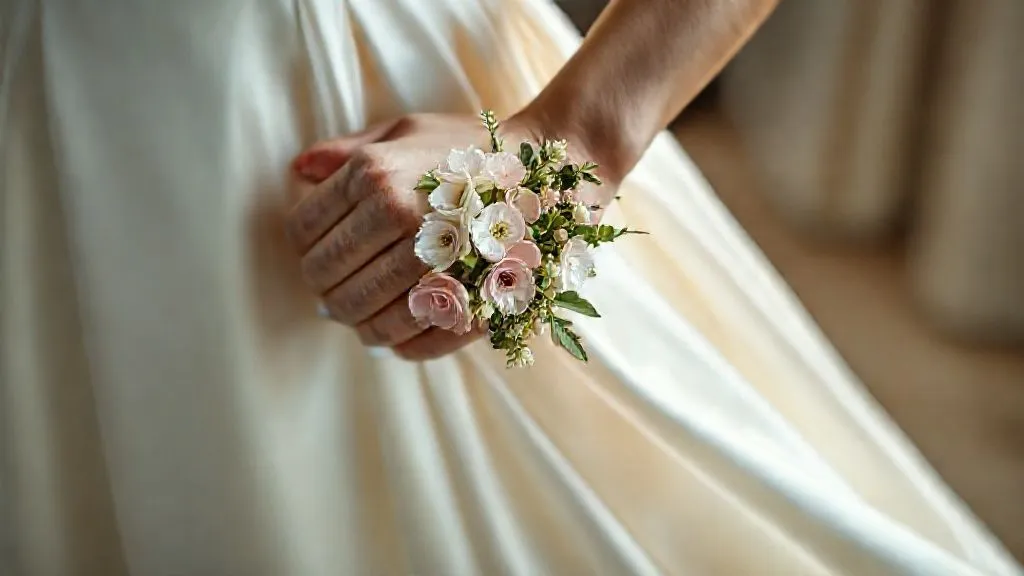
- Forgetting About Boutonnieres and Corsages: These delicate, out-of-water pieces are highly susceptible. Keep them refrigerated until the last possible moment and mist lightly before pinning.
I always advise my clients to trust their florist's expertise when it comes to material choices for extreme weather. We've seen what works and what doesn't, and our recommendations are rooted in years of practical experience and knowledge of floral science. This trust is crucial for achieving your desired outcome.
Frequently Asked Questions (FAQ)
Q: Can I use *any* flower if I follow all these steps perfectly, even hydrangeas? A: While these steps significantly boost a flower's resilience, some blooms, like hydrangeas, are inherently ill-suited for extreme heat due to their large surface area for transpiration and delicate structure. Even with meticulous care, their chances of wilting are high. It's always best to prioritize heat-tolerant varieties for peace of mind. Think of it as putting a heavy coat on a desert animal – it might help a little, but it's fundamentally against their nature.
Q: How far in advance should my reception flowers be delivered to the venue in hot weather? A: For optimal freshness in extreme heat, I recommend having your flowers delivered as close to the event start time as logistically possible. Ideally, no more than 2-3 hours before guests arrive, and only if the holding area is consistently cool, shaded, and climate-controlled. Any longer, and you increase the risk of heat exposure and dehydration.
Q: What's the best way to transport large floral installations or arches in extreme heat? A: For large installations, a refrigerated truck is ideal. If that's not possible, ensure the vehicle is air-conditioned to its maximum capacity. Pack arrangements securely to prevent movement and consider placing frozen gel packs (wrapped to prevent condensation) strategically around the bases to maintain a cool environment during transit. Minimize travel time and expose them to outdoor heat for the absolute shortest duration possible during load-in and setup.
Q: Are there any specific floral products (like sprays or solutions) that are universally recommended for heat protection? A: Yes, professional floral food solutions (like those from Chrysal or Floralife) are non-negotiable for conditioning. For additional protection, anti-transpirant sprays can be very effective for certain blooms, creating a breathable barrier that slows water loss. However, always test on a small, inconspicuous area first, as some delicate petals might react. These are tools to enhance natural resilience, not magic wands.
Q: What if my outdoor reception venue doesn't have much natural shade or air conditioning? What are my options? A: In such challenging scenarios, your options become more focused on creating artificial shade and optimizing airflow. Renting large, sturdy tents or marquees is essential. Consider adding portable evaporative coolers or large industrial fans, positioned strategically to create air movement without directly blasting the flowers. Opt for extremely hardy, drought-tolerant flowers, and consider arrangements that are entirely submerged in water (e.g., floating candles with a few hardy blooms) as a design alternative.
Key Takeaways and Final Thoughts
Navigating the challenges of extreme heat for your wedding reception flowers doesn't have to be a source of anxiety. With the right knowledge and a proactive approach, you can ensure your blooms remain as fresh and vibrant as your love story. Here are the critical takeaways:
- Prioritize Heat-Tolerant Blooms: This is your first line of defense.
- Master Pre-Conditioning: Hydration and floral food are non-negotiable.
- Design Smart: Use water-rich mechanics and insulating containers.
- Plan Logistics Meticulously: Climate-controlled transport and strategic placement are vital.
- Maintain On-Site: Be prepared with emergency kits and a watchful eye.
- Trust Your Florist: Leverage their expertise and experience in challenging conditions.
I've seen countless weddings transform from potential floral disasters into breathtaking spectacles, simply by applying these principles. Your wedding day is a celebration of beauty, and your flowers should reflect that joyous vibrancy from start to finish. By taking these expert-backed steps, you'll not only preserve the beauty of your reception flowers but also create lasting memories of a truly flawless event. Go forth and bloom with confidence!
Recommended Reading
- DIY Wedding Aisle Decor on a Budget? Secrets Revealed!
- What to Wear to a Wedding: The Ultimate Attire Guide
- 7 Secrets: Style Your Vintage Wedding Dress for a Modern Bridal Look
- 7 Gentle Ways to Decline Parents' Unsolicited Wedding Guest Additions
- Mastering 150+ Wedding Thank You Notes: Your Efficient 7-Step Plan



Comments
Leave a comment below. Your email will not be published. Required fields marked with *