


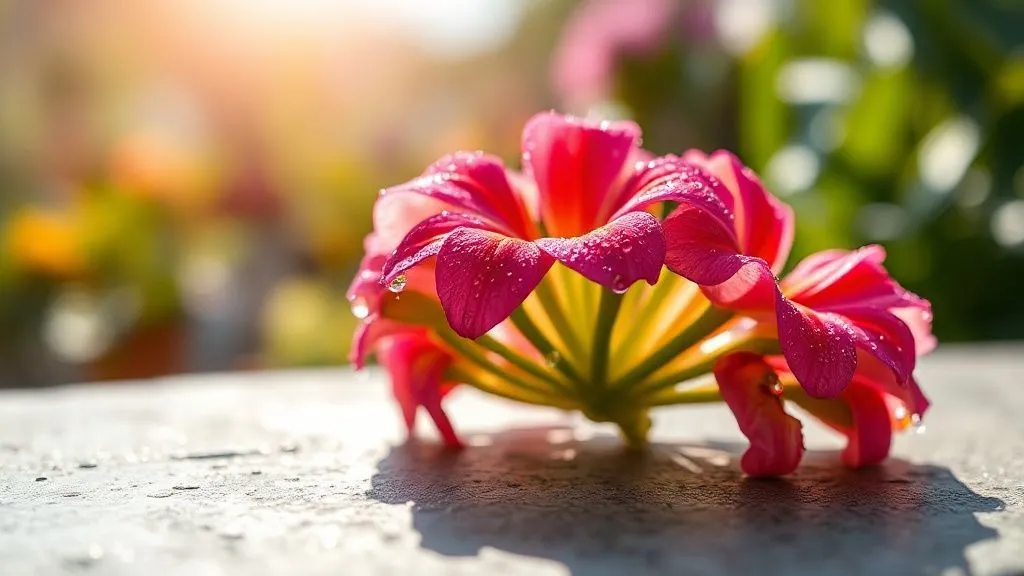
How to Prevent Wedding Flower Crowns from Wilting in Summer Heat?
For over 15 years in the wedding floral industry, I've witnessed the sheer joy a perfect flower crown brings to a bride. Yet, I've also seen the heartbreak when those beautiful blooms, meticulously arranged, begin to droop and wilt under the relentless summer sun just hours before 'I do'. It's a common dilemma, one that can cast a shadow over an otherwise perfect day.
The problem isn't just aesthetic; it's emotional. A wilting flower crown can feel like a symbol of something going wrong, adding unnecessary stress to an already high-pressure day. Brides envision vibrant, fresh flowers framing their faces, not tired, limp petals. The summer heat, while wonderful for outdoor celebrations, is a formidable foe to delicate flora, rapidly drawing out moisture and life.
But don't despair! I'm here to share the tried-and-true strategies, insider tips, and expert techniques I've honed over years of working with countless summer weddings. In this definitive guide, you'll learn not just what to do, but why it works, empowering you to ensure your wedding flower crown remains as fresh and radiant as your smile, regardless of the temperature. We'll cover everything from strategic flower selection to expert preservation, ensuring your floral crown stands the test of summer heat.
Understanding the Enemy: Why Flowers Wilt in the Heat
Before we can conquer the problem, we must understand it. Wilting is a plant's desperate cry for water, a visible sign of dehydration. In summer heat, several factors conspire against your beautiful blooms.
The Science of Transpiration and Dehydration
At its core, wilting is about water loss. Plants 'breathe' through tiny pores called stomata, primarily on their leaves, in a process called transpiration. This process helps pull water up from the roots and cools the plant. However, in hot, dry conditions, transpiration rates skyrocket. Flowers, once cut from their roots, lose their primary water source but continue to transpire. Without replenishment, their cells lose turgor pressure – the internal water pressure that keeps them firm and upright – leading to limpness and drooping. Humidity also plays a role; low humidity exacerbates water loss.
Common Misconceptions About Flower Care
Many believe a quick spritz of water will magically revive a wilting flower. While misting can help temporarily, it's not a long-term solution. Another common mistake is storing flowers in a household refrigerator, which is often too cold and too dry for delicate blooms, causing chilling injury and further dehydration. Understanding these nuances is crucial for effective prevention.
Phase 1: Strategic Flower Selection for Summer Resilience
The battle against wilting begins long before the wedding day, right at the florist's bench. Choosing the right flowers is paramount.
Choosing the Right Blooms: Heat-Tolerant Varieties
Not all flowers are created equal when it comes to heat tolerance. Some varieties are naturally more robust and less prone to wilting. As a general rule, flowers with thicker petals, waxy coatings, or a more compact structure tend to fare better. Think about the natural habitat of the flower; if it thrives in sunny climates, it's a good candidate.
- Succulents: While not traditional flowers, small succulents like sedum or echeveria are incredibly resilient and can be stunning additions, offering a unique texture and guaranteed longevity.
- Orchids (Cymbidium, Phalaenopsis): These tropical beauties are surprisingly durable and hold up well in heat due to their waxy petals.
- Spray Roses & Garden Roses: Certain varieties, especially those with more petals, can hold up well if properly hydrated. Smaller spray roses are often more resilient than larger, heavier blooms.
- Carnations & Mini Carnations: These are workhorses of the floral world, incredibly tough and available in a vast array of colors.
- Baby's Breath (Gypsophila): While delicate in appearance, gypsophila is surprisingly resilient and can maintain its airy charm for hours.
- Freesia: With proper hydration, freesias can withstand moderate heat and offer a beautiful fragrance.
- Solidago & Craspedia (Billy Balls): These are excellent for adding texture and are known for their hardiness.
- Lavender & Rosemary: Not only are these herbs heat-tolerant, but they also offer a beautiful fragrance and rustic charm.
Avoid highly delicate flowers like hydrangeas, sweet peas, or large-headed dahlias unless you have extreme measures in place, as they are notorious for wilting quickly.
Case Study: Sarah's Succulent Success Story
I recall a bride, Sarah, who was determined to have a beautiful, bohemian flower crown for her outdoor July wedding in Arizona. Traditional delicate blooms were out of the question. After consulting with her, we designed a crown primarily featuring various types of small succulents, interwoven with heat-tolerant spray roses and a touch of preserved eucalyptus. On her wedding day, with temperatures soaring to 105°F, Sarah's crown looked as fresh at the end of the night as it did at the start. It was a testament to strategic selection and proper preparation, demonstrating that beauty doesn't have to wilt under pressure. This resulted in a unique, long-lasting memory for her.
Phase 2: Pre-Wedding Day Preparation & Conditioning
Even the hardiest flowers need a little help. Proper conditioning is a non-negotiable step for maximizing their lifespan.
Hydration is Key: The Overnight Soak Technique
This is one of my most crucial tips, often overlooked. Before any arranging begins, your florist should 'hyper-hydrate' the flowers. For flower crowns, this means giving the individual blooms and foliage a deep drink.
- Receive Fresh: Ensure your florist receives flowers that are as fresh as possible, ideally cut within 24-48 hours.
- Recut Stems: Upon arrival, all stems should be recut at an angle under water to remove any air bubbles and allow for maximum water uptake.
- Flower Food Solution: Place them immediately into a clean bucket with a professional flower food solution.
- Overnight Soak (for some varieties): For particularly thirsty or delicate flowers destined for crowns, some florists will even submerge the entire bloom (not just the stem) in cool, distilled water for a few hours or overnight. This 'water bath' allows the petals to absorb moisture directly, plumping them up and building their resilience.
Hardening Off: Strengthening Your Blooms
After their initial drink, flowers need to 'harden off.' This involves placing them in a cool, dark, and humid environment for several hours or overnight. This process allows the flowers to fully absorb water, strengthen their cell walls, and prepare them for the stress of being out of water during crown assembly and wear. Think of it as a botanical boot camp.

Phase 3: Crafting for Longevity – Expert Assembly Techniques
How the crown is constructed significantly impacts its resilience. This is where the florist's expertise truly shines.
The Wire vs. Floral Tape Debate
Most flower crowns are constructed on a base of floral wire, often wrapped with floral tape. The choice of materials and technique is vital:
- Heavy Gauge Wire: A sturdy base wire (e.g., 18-20 gauge) provides structural integrity, preventing the crown from bending or breaking.
- Floral Tape: This waxy, self-adhesive tape helps to seal moisture into the cut stems, acting as a barrier against dehydration. It also provides a smoother, more comfortable surface against the head.
- Individual Wiring and Taping: Each individual flower and piece of foliage should ideally be wired and taped separately before being attached to the main crown base. This meticulous process ensures each element has its own moisture seal.
Reinforcing with Water Tubes and Oasis
For particularly delicate or thirsty blooms that absolutely must be included, florists can employ advanced techniques:
- Mini Water Tubes: Tiny, inconspicuous plastic tubes with rubber caps can be filled with water and attached to the stem of a single flower, providing a hidden reservoir of hydration. These are perfect for a focal bloom that needs extra care.
- Floral Foam (Oasis) Base: While less common for the entire crown due to weight, small sections of soaked floral foam can be incorporated into the crown's base for certain clusters of flowers. This provides continuous hydration but adds significant weight and bulk, so it's used sparingly and strategically.
The comparison below highlights the pros and cons of common construction methods for summer resilience:
| Method | Pros | Cons | Best For |
|---|---|---|---|
| Wire & Floral Tape (Standard) | Lightweight, flexible, good moisture seal for individual stems | Relies heavily on pre-conditioning, no continuous water source | Most heat-tolerant blooms |
| Mini Water Tubes | Provides continuous hydration to key blooms, relatively discreet | Adds slight bulk/weight, more labor-intensive, visible if not carefully placed | Delicate focal flowers (e.g., garden roses, ranunculus) |
| Floral Foam Base (Partial) | Excellent continuous hydration, good for dense arrangements | Heavy, bulky, less flexible, foam can crumble if not secured | Specific, very thirsty clusters (used sparingly) |
Phase 4: On-the-Day Preservation Tactics
The crown is made, the wedding day is here. Now, it's about smart storage and immediate care.
Storage Solutions: The Cooler, Not the Fridge
Once assembled, your flower crown needs a cool, humid environment. A florist's cooler is ideal, but if that's not an option, a well-prepared home cooler can work. Crucially, avoid the standard kitchen refrigerator.
- Florist Cooler: These are designed for flowers, maintaining specific temperatures (around 40-45°F / 4-7°C) and high humidity.
- Ice Chest/Cooler: If using a regular cooler, line it with newspaper or paper towels, then place a few ice packs (wrapped in towels to prevent direct contact and chilling) at the bottom. Place the flower crown gently inside, ensuring it doesn't touch the ice. Close the lid tightly to trap humidity.
- Misting & Bagging: Before storage, lightly mist the crown with water and place it gently inside a large plastic bag (like a dry-cleaning bag). Inflate the bag slightly with air before sealing to create a humid mini-environment around the crown.
The Strategic Spritz: Misting and Hydration
Just before the bride puts on the crown, and periodically throughout the day if possible, a light misting can work wonders. Use a fine-mist spray bottle filled with distilled water. Don't drench it; a gentle spray over the petals and foliage is enough to refresh and rehydrate the surface cells. This is especially useful during photoshoots or between events. However, be mindful of makeup, and always aim for a fine, delicate mist.

Phase 5: Emergency Refreshment and Damage Control
Despite all precautions, sometimes a bloom still decides to droop. Here's what to do.
Quick Fixes for Drooping Petals
For minor wilting, especially in individual petals or smaller blooms:
- Targeted Misting: A more concentrated mist on the specific droopy area can sometimes perk it up.
- Cool Water Dip (Last Resort): If a small section or individual flower is severely wilted and can be carefully removed, a quick dip in cool (not ice-cold) water for 5-10 minutes can sometimes revive it. Pat dry gently before reattaching if possible.
- Strategic Placement: If a bloom is truly beyond saving, try to gently reposition other flowers or foliage to hide the affected area.
When to Call it Quits: Managing Expectations
It's important to have realistic expectations. A flower crown, especially in extreme heat, has a finite lifespan. While these methods significantly extend it, perfect freshness for 12+ hours in 90°F weather might be a stretch for some delicate varieties. Embrace the natural beauty, and remember that even a slightly softened bloom tells a story of a day well-lived. As an expert, I always advise brides to prioritize photos early in the day when the crown is at its absolute peak.
Phase 6: The Role of Your Florist – Collaboration is Key
Your florist is your most valuable ally in this battle. Don't underestimate their expertise.
Communicating Your Vision and Concerns
Be upfront with your florist about your summer wedding and your desire for a long-lasting flower crown. Share details about the expected temperature, humidity, and how long you plan to wear the crown. A good florist will appreciate your honesty and guide you towards the best choices.
Asking the Right Questions
Don't be afraid to ask specific questions:
- “What heat-tolerant flowers do you recommend for a summer crown?”
- “What steps do you take to condition the flowers for a crown?”
- “How will the crown be constructed to maximize longevity?”
- “What are your recommendations for storing the crown on the wedding day?”
- “Do you offer any on-site touch-up services or emergency kits?”
According to a survey by the Society of American Florists (SAF), clear communication between client and florist is a leading factor in client satisfaction, especially for bespoke items like wedding florals.

Phase 7: DIY Tips for the Adventurous Bride
For those opting for a DIY approach, these principles are even more critical.
Sourcing and Preparing Your Own Flowers
If you're making your own crown, plan to source your flowers from a reputable grower or wholesaler who can guarantee freshness. Follow the conditioning steps religiously: recutting stems under water, a deep drink with flower food, and a cool, dark hardening-off period. This preparation is the foundation of success.
Simple Assembly for Robust Crowns
Focus on simpler designs if you're a beginner. Use floral wire and tape for every stem. Avoid overly heavy or dense designs that might put stress on delicate stems. Consider a base of sturdy greenery like eucalyptus or ruscus, which are naturally more resilient, and then add your chosen blooms. For excellent detailed instructions on floral wiring techniques, you can often find resources from botanical gardens or floral design schools, such as those provided by the Royal Horticultural Society.
Phase 8: Post-Wedding Preservation (Optional but Cherished)
Even after the wilting battle is won, you might want to preserve your crown as a keepsake.
Drying and Pressing Your Crown
While not directly preventing wilting on the day, knowing how to preserve your crown means its beauty can last. You can dry small individual blooms by hanging them upside down in a dark, dry place, or press flatter elements between heavy books. Silica gel can also be used for more intricate drying. This allows you to cherish a piece of your wedding day for years to come.
"The beauty of a flower crown is fleeting, but the memories it frames are eternal. By taking proactive steps, we ensure those memories are vibrant and joyful, not overshadowed by wilted petals." - Industry Expert Insight
Frequently Asked Questions (FAQ)
Q: Can I put my flower crown in the freezer to keep it fresh? A: Absolutely not! Freezing will cause ice crystals to form within the plant cells, rupturing them and turning your beautiful flowers into a mushy, brown mess once thawed. Stick to cool, humid refrigeration or a well-prepared cooler.
Q: How long can a flower crown realistically last in summer heat? A: With all the preventative measures in place, a well-made flower crown with heat-tolerant flowers can realistically stay fresh for 4-6 hours, and often longer, even in significant summer heat. Delicate flowers might show signs of softening sooner, but robust ones can truly endure.
Q: Are there any sprays or sealants I can use to prevent wilting? A: There are floral sealants and anti-transpirant sprays available. While they can offer a thin protective barrier, they are not a magic bullet. They work best as an additional layer of protection on top of proper conditioning and selection, rather than a standalone solution. Always test on a small, inconspicuous bloom first. Research on their efficacy often varies, with some studies, like those found in horticultural journals (e.g., Journal of the American Society for Horticultural Science), showing mixed results depending on the plant and conditions.
Q: Should I worry about bugs in my flower crown, especially if it's stored overnight? A: Reputable florists take measures to ensure flowers are clean. However, if you're sourcing your own, gently shake out flowers and inspect them. Storing in a sealed bag in a cool environment usually deters most common outdoor insects. If you're very concerned, a light, flower-safe insect repellent can be used, but sparingly and well in advance of wear.
Q: What's the best time of day to wear a flower crown for a summer wedding? A: For optimal freshness, wear your flower crown during the cooler parts of the day if possible. If your ceremony is mid-afternoon, consider putting it on just before the ceremony and taking it off during dinner or later in the evening, especially if it's very hot. Prioritize wearing it for key photos.
Key Takeaways and Final Thoughts
Ensuring your wedding flower crown remains vibrant and beautiful throughout your summer celebration is entirely achievable with the right knowledge and preparation. It's a blend of botanical science, thoughtful design, and meticulous care. Here are the critical steps to remember:
- Choose Wisely: Opt for naturally heat-tolerant flower varieties.
- Hydrate Deeply: Insist on proper pre-conditioning and hydration from your florist.
- Craft Smart: Ensure expert assembly techniques are used to seal in moisture.
- Store Cool: Use a florist's cooler or a well-prepared home cooler, never a standard fridge.
- Mist Strategically: A fine mist before wear and during breaks can refresh blooms.
- Communicate Clearly: Work closely with your florist, sharing your concerns and asking informed questions.
Your wedding day is a tapestry of beautiful moments, and your flower crown is a cherished thread in that design. By following these expert guidelines, you're not just preventing wilting; you're preserving a perfect memory. Trust in the process, communicate with your floral professional, and step into your summer wedding day with confidence, knowing your crown will be as radiant as you are. For further reading on general flower care and longevity, I often refer to resources from reputable horticultural institutions like the Purdue University Extension.
Recommended Reading
- 5 Essential Strategies: How to Efficiently Integrate Wedding Websites with Stationery
- 7 Urgent Steps: Fixing Critical Ceremony Timeline Delays Mid-Event
- 7 Steps to Rescue a Wedding Cake Flavor Tasting That Went Horribly Wrong?
- Minimize Wedding Champagne Waste: 7 Proven Strategies for Large Toasts
- Mastering Fine Art Consistency in Challenging Wedding Venues: 7 Steps


Comments
Leave a comment below. Your email will not be published. Required fields marked with *