


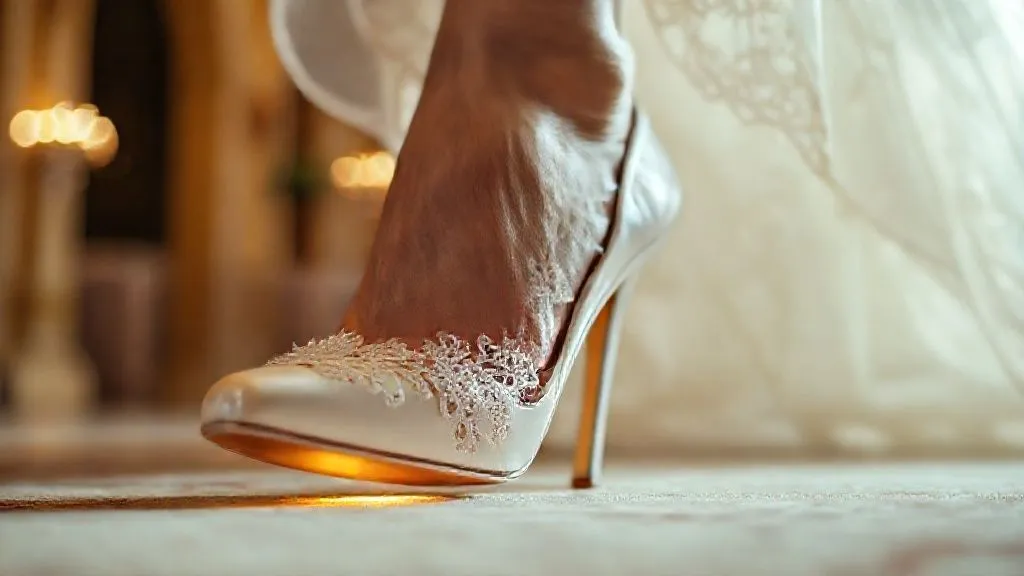
Solving urgent last-minute bridal shoe sizing mismatches?
For over 15 years in the bridal fashion industry, I’ve witnessed countless brides-to-be navigate the joyous chaos of wedding planning. Yet, one of the most common, and often overlooked, sources of pre-wedding panic isn't the caterer or the florist; it's the bridal shoes. I’ve seen the despair in a bride’s eyes as she realizes her dream heels, purchased months ago, are suddenly too big or excruciatingly tight just days before the ceremony.
This isn't a rare occurrence. The excitement, stress, and even physiological changes leading up to your wedding can drastically affect foot size and comfort. What fit perfectly during a relaxed afternoon fitting can become a nightmare under the intense pressure of the final countdown, leaving you scrambling for a solution that seems impossible to find.
But fear not, my dear brides. In this definitive guide, I will share my expert insights, actionable frameworks, and real-world solutions for Solving urgent last-minute bridal shoe sizing mismatches? We'll explore rapid fixes, preventative measures, and crucial advice to ensure your walk down the aisle is graceful, comfortable, and utterly unforgettable, free from any shoe-related woes.
The Heartbreak of the Ill-Fitting Heel: Why It Happens So Often
The journey to finding the perfect bridal shoe is often fraught with unexpected turns. Brides typically choose their shoes well in advance, sometimes even before their final dress fitting. This long lead time, combined with factors like online shopping, can contribute significantly to sizing discrepancies that only become apparent at the eleventh hour.
One major culprit is the natural fluctuation in foot size. Our feet can swell due to heat, prolonged standing, hormonal changes, or even the stress and retention of water that often accompany intense wedding planning. What felt like a snug fit in the cool morning air might feel like a vice grip by evening, or vice versa if your feet have unexpectedly shrunk.
“In my experience, many brides underestimate the dynamic nature of their feet. They assume a shoe size is static, but factors like hydration, temperature, and even anxiety can subtly alter foot volume, making a perfect fit suddenly imperfect.”
Another common mistake is neglecting the 'break-in' period. Many brides save their shoes until the last minute, only to discover on the wedding day that they are stiff, unyielding, and incredibly uncomfortable. This lack of preparation can exacerbate any minor sizing issue into a major problem, impacting not just comfort but also your posture and confidence.
Immediate Fixes for Shoes That Are Too Big: Cinch & Secure
Discovering your beautiful bridal shoes are too loose can be disheartening. However, this is often the easier problem to solve with a few clever, last-minute adjustments. The goal here is to create a snugger fit that prevents slipping, rubbing, and the dreaded 'clown shoe' effect.
Strategizing with Inserts and Pads
The secret weapon for oversized shoes lies in the strategic placement of various inserts. These aren't just for comfort; they're essential for filling out excess space and securing your foot within the shoe.
- Heel Grips: These sticky pads adhere to the inside back of your shoe, preventing your heel from slipping out. They’re fantastic for closing that small gap and adding a touch of cushioning. Look for silicone or suede options for maximum grip and comfort.
- Forefoot Pads (Ball-of-Foot Cushions): If your toes are sliding too far forward, causing pressure or exposing too much of your foot, forefoot pads are your best friend. They lift and cushion the ball of your foot, pushing it back slightly into the shoe's heel cup.
- Full Insoles: For shoes that are significantly too large, a full-length insole can reduce the interior volume of the shoe. Opt for thin gel or leather insoles that won't add too much bulk but will provide a more secure fit. You can even layer a thin insole with a heel grip for comprehensive tightening.
- Toe Fillers: For open-toed shoes or pumps where the front feels too roomy, soft cotton or lambswool can be gently packed into the toe box. Be careful not to overfill, which can cause discomfort, and ensure it's discreetly hidden.
The Clever Use of Straps and Adjustments
If your shoes feature adjustable straps, now is the time to utilize them to their fullest. Ankle straps, T-straps, or even simple buckle closures can be tightened to hold your foot more securely in place. If your shoes don't have existing straps, consider adding discreet, clear adhesive straps that wrap around your ankle for extra security.
Remember, the aim is to create a firm but comfortable hold. Avoid over-tightening, which can restrict circulation and cause new problems. Test your adjustments by walking around for a few minutes to ensure they feel secure and don't pinch or rub.

Rapid Remedies for Shoes That Are Too Small: Gently Expanding Options
Shoes that are too tight can be agonizing, leading to blisters, pain, and a truly miserable wedding day. While more challenging than oversized shoes, there are several urgent last-minute strategies to gently expand them.
Targeted Stretching: Heat and Moisture Hacks
The key to stretching shoes, especially leather or fabric ones, is to apply gentle pressure while the material is slightly pliable. Synthetic materials are harder to stretch effectively.
- Thick Socks & Hairdryer Method: Don a pair of your thickest socks and put on the tight shoes. Using a hairdryer on a medium setting, direct warm air onto the tightest spots of the shoe, moving it constantly to prevent scorching. Flex your feet and wiggle your toes while heating. Keep the shoes on until they cool down. Repeat this process a few times. The heat makes the material more pliable, and your foot in thick socks provides the gentle stretch.
- Ice Bag Method (for specific spots): Fill two small, sturdy freezer bags (double-bag them to prevent leaks) with water. Place one bag inside each shoe, pushing it into the tightest areas. Place the shoes in the freezer overnight. As the water freezes, it expands, gently stretching the shoe material. Allow them to thaw slightly before removing the bags. This method is particularly effective for leather shoes.
- Shoe Stretcher Spray: Many shoe care brands offer stretching sprays that lubricate and soften the material, making it more receptive to stretching. Spray the inside of the tight areas, then immediately wear the shoes with thick socks or insert a shoe stretcher.
Professional Intervention: When to Call the Cobbler (Even Last Minute)
While DIY methods can offer temporary relief, for significant tightness, a professional cobbler is your best bet. They have specialized tools, such as shoe stretchers and expanders, that can target specific areas without damaging the shoe. Many cobblers offer express services, especially for urgent occasions like weddings.
Even if it's the day before, call around. Explain your situation. A skilled cobbler can often work miracles with their expertise and equipment. They might use a professional shoe stretcher overnight or apply targeted stretching techniques that you simply can't replicate at home.
For more insights on professional shoe care, consider visiting a reputable source like the Shoe Service Institute of America to find certified cobblers in your area.
The Blister Battle: Proactive & Reactive Measures
Even with the perfect fit, new shoes can sometimes cause friction, leading to painful blisters. For a wedding day, preventing these is paramount, but having a reactive strategy is equally crucial.
Pre-emptive Protection: Taping, Balm, and Breaking In
The best defense against blisters is a good offense. I always advise my brides to think ahead and prepare their feet and shoes.
- Break Them In: This is non-negotiable. Wear your bridal shoes around the house for several hours a day, for at least a week or two before the wedding. Walk on different surfaces, dance a little, and get your feet accustomed to them.
- Moleskin or Blister Patches: Apply these to any areas of your foot that are prone to rubbing, even before you feel discomfort. Common spots include the back of the heel, sides of the toes, or the ball of the foot. Cut moleskin to size for a custom fit.
- Anti-Blister Balm/Stick: These products create a protective, invisible barrier on your skin, reducing friction. Apply liberally to all potential hot spots before putting on your shoes.
- Silicone Heel Protectors: These soft, gel-like sleeves can be worn on your heel to provide a cushion and reduce friction, particularly useful for shoes with a stiff heel counter.
On-the-Day Emergency Kit Essentials
Even with the best preparation, unexpected hot spots can develop. A well-stocked emergency kit is your safety net.
- Assorted Band-Aids: Have various sizes, including waterproof options.
- Blister Cushions/Hydrocolloid Patches: These are thicker than regular band-aids and provide a moist healing environment, offering immediate pain relief and protection for existing blisters.
- Anti-Chafe Stick/Balm: Reapply throughout the day if needed.
- Small Scissors: For cutting moleskin or tape to size.
- Pain Relievers: Acetaminophen or ibuprofen can help manage any foot discomfort.
- Backup Shoes: A comfortable pair of flats or wedges for the reception is a game-changer. More on this later.

Case Study: Sarah's Eleventh-Hour Shoe Save
How a Simple Insert Saved the Day
I remember Sarah, a lovely bride who came to me in a complete panic three days before her summer wedding. She had ordered her designer peep-toe heels online six months prior, and they had felt perfect then. However, after a particularly stressful week of final preparations and a heatwave, her feet had visibly swollen, making her shoes excruciatingly tight across the toes and the ball of her foot.
Her initial thought was to buy new shoes, but finding a suitable, comfortable, and beautiful pair in her exact size in such a short timeframe felt impossible. She was on the verge of tears, convinced she’d have to suffer through her entire wedding day.
I sat her down and explained the targeted stretching method. First, we used a shoe stretcher spray on the inside of the tightest areas of her peep-toes, focusing on the toe box and the sides. Then, she put on her thinnest dress socks, slipped into the shoes, and I guided her through a gentle hairdryer application, encouraging her to wiggle her toes and flex her foot while the leather softened. We repeated this twice over an hour, with breaks for the shoes to cool.
The immediate relief was noticeable. The shoes were still snug, but the painful pressure points had eased significantly. To ensure maximum comfort for the wedding day, I also advised her to apply an anti-blister balm generously and to have a pair of gel forefoot pads ready. We also discussed having a pair of elegant, comfortable flats for the reception, which she thankfully already had as a backup.
On her wedding day, Sarah looked radiant. Her shoes, once a source of dread, were comfortable enough for her to dance the night away. She later told me that the combination of the targeted stretching and the balm was a true lifesaver, allowing her to fully enjoy every moment without a single thought about her feet. This case perfectly illustrates how a few expert-guided, last-minute interventions can truly save the day when Solving urgent last-minute bridal shoe sizing mismatches?
Beyond the Fix: Preventing Future Mismatches
While we've focused on urgent fixes, prevention is always better than cure. As an industry specialist, I've seen how a few thoughtful steps during the shoe selection process can avert most last-minute crises.
The Importance of Proper Sizing and Fitting
Don't rely solely on your standard shoe size. Our feet change over time, and different brands have varying sizing conventions. Always get your feet professionally measured, especially if you're buying expensive bridal shoes. Measure both feet, as one is often slightly larger than the other, and always fit to the larger foot.
Try on shoes at the end of the day, when your feet are naturally at their largest. This mimics the swelling that might occur during your wedding day. Walk around the store extensively, not just a few steps, to gauge true comfort. If purchasing online, always check the brand's specific sizing chart and read reviews regarding fit.
Considering Backup Shoes: A Wise Precaution
This is perhaps the single most overlooked piece of advice I give to brides: have a comfortable, elegant backup pair of shoes. These could be pretty flats, stylish wedges, or even dressy sneakers that match your aesthetic. Many brides opt for a stunning heel for the ceremony and photos, then switch to something more practical for the reception.
This isn't a sign of defeat; it's a sign of a smart, prepared bride who prioritizes comfort and enjoyment. Your wedding day is long, and you'll be on your feet for hours. Having a comfortable alternative ensures you can truly let loose and dance without a single pang of foot pain.
| Problem | Solution | Time Needed | Comfort Impact |
|---|---|---|---|
| Shoes Too Big | Heel grips, full insoles, forefoot pads, toe fillers | Minutes | High |
| Shoes Too Small | Targeted stretching (heat/ice), professional cobbler | Hours to Overnight | Medium to High |
| Blister Prevention | Moleskin, anti-blister balm, break-in period | Days to Weeks | Very High |
| General Discomfort | Backup shoes, foot massage, pain relievers | Immediate to Ongoing | Very High |
Expert Insights and Common Pitfalls to Avoid
Drawing from years of experience in bridal fashion, I've observed certain patterns and mistakes that brides frequently make. Avoiding these can save you a world of stress and discomfort.
Don't Sacrifice Comfort for Style
While the allure of a sky-high, beautifully embellished heel is undeniable, remember that you will be wearing these shoes for many hours. If a shoe pinches in the store, it will only feel worse on your wedding day. Prioritize a comfortable fit that allows you to walk, stand, and dance with ease. There are countless stunning, comfortable options available today.
“Your wedding day is a marathon, not a sprint. You need shoes that will carry you gracefully through every moment, from the walk down the aisle to the last dance. Never compromise on comfort for the sake of a fleeting trend or a small aesthetic detail.”
According to a survey by The Knot, nearly 70% of brides regret not prioritizing comfort more in their wedding day attire, with shoes being a primary concern. This isn't just an anecdote; it's a widespread sentiment.
Beware of DIY Over-Stretching
While home stretching methods can be effective, there's a fine line between gentle expansion and damaging your shoes. Over-stretching can cause leather to crack, fabric to tear, or delicate embellishments to come undone. Always proceed with caution, use moderate heat, and avoid aggressive pulling. If you're unsure, consult a professional cobbler.
Furthermore, avoid using harsh chemicals or unconventional liquids to soften shoes. These can stain, discolour, or weaken the material irrevocably. Stick to purpose-made shoe stretching sprays or natural methods like water and ice.
For more advice on selecting comfortable yet stylish bridal footwear, you can explore resources from leading bridal publications like Brides Magazine, which often feature expert tips on balancing aesthetics with wearability.
Frequently Asked Questions (FAQ)
Question? Can I really stretch my shoes at home without damaging them?
Absolutely, with caution. Methods like using thick socks and a hairdryer, or the ice bag method, are generally safe for natural materials like leather or suede. However, always use moderate heat and avoid aggressive force. For delicate fabrics or highly embellished shoes, or if you need significant stretching, professional cobbler services are always recommended to prevent irreversible damage.
Question? What if my feet swell during the wedding day itself?
Foot swelling during the wedding day is very common due to prolonged standing, dancing, and even nerves. The best proactive measure is to break in your shoes thoroughly and have an anti-blister balm applied. On the day, keep your emergency kit handy with blister patches and pain relievers. Crucially, having a comfortable pair of backup shoes (flats or wedges) for the reception is a lifesaver, allowing you to switch into something less constricting if swelling becomes an issue.
Question? How do I know if my shoes are the right size in the first place?
To ensure the right fit, get your feet measured by a professional. Always try on shoes at the end of the day when your feet are slightly swollen. There should be about a thumb's width of space between your longest toe and the tip of the shoe. Your heel should feel secure without slipping excessively, and there should be no pinching or pressure points, especially across the widest part of your foot. Walk around in them for several minutes to truly assess comfort.
Question? Is it okay to wear a different pair of shoes for the reception?
Not only is it okay, but it’s highly recommended by most wedding experts! Many brides choose a stunning, often higher, heel for the ceremony and photographs, then switch to a more comfortable pair of flats, wedges, or even elegant sneakers for the reception. This allows you to fully enjoy dancing and mingling without foot pain, ensuring you stay comfortable and joyful throughout the celebration.
Question? Are there any specific shoe brands known for better sizing consistency or comfort?
While sizing can vary even within brands, some bridal shoe designers are renowned for their focus on comfort and consistent sizing. Brands like Badgley Mischka, Bella Belle, and Emmy London often receive high praise for their craftsmanship, padding, and attention to detail that contributes to a more comfortable fit. It's always best to read reviews and try them on in person if possible, but these brands are generally a good starting point for quality and comfort-focused options.
Key Takeaways and Final Thoughts
Navigating the potential pitfalls of bridal shoe sizing mismatches can seem daunting, but as an experienced industry specialist, I assure you that every challenge has a solution. Your wedding day should be a celebration of love and joy, not a test of endurance for your feet.
- Proactive preparation is paramount: Break in your shoes, get professionally measured, and consider backup footwear.
- For shoes too big: Strategically use heel grips, insoles, and forefoot pads to create a snug, secure fit.
- For shoes too small: Employ gentle stretching techniques like the hairdryer method or ice bags, and don't hesitate to consult a professional cobbler for urgent, targeted stretching.
- Blister prevention is key: Use moleskin, anti-blister balm, and carry a well-stocked emergency kit.
- Never sacrifice comfort for style: Your ability to enjoy your day fully hinges on comfortable feet.
Remember, your journey down the aisle is one of the most significant walks of your life. By applying these expert-backed strategies, you can confidently stride into your future, knowing that your bridal shoes will be a source of elegance and comfort, not last-minute panic. Embrace the solutions, prioritize your comfort, and enjoy every beautiful, pain-free step of your wedding day. For more comprehensive wedding planning tips, consider exploring resources from trusted sites like The Knot, which offers a wealth of information for every aspect of your big day.
Recommended Reading
- 7 Ways to Spot & Stop Greenwashing in Eco Wedding Favors
- 7 Steps: Affordable, Truly Sustainable Wedding Flowers, Locally Sourced?
- 7 Smart Ways: Unique Bachelorette Experiences on a Tight Budget
- Mastering Scale: Automate Wedding Planning Checklists for Multiple Clients
- 7 Steps to Master Matching Groom's Look to a Challenging Wedding Aesthetic?

Comments
Leave a comment below. Your email will not be published. Required fields marked with *