


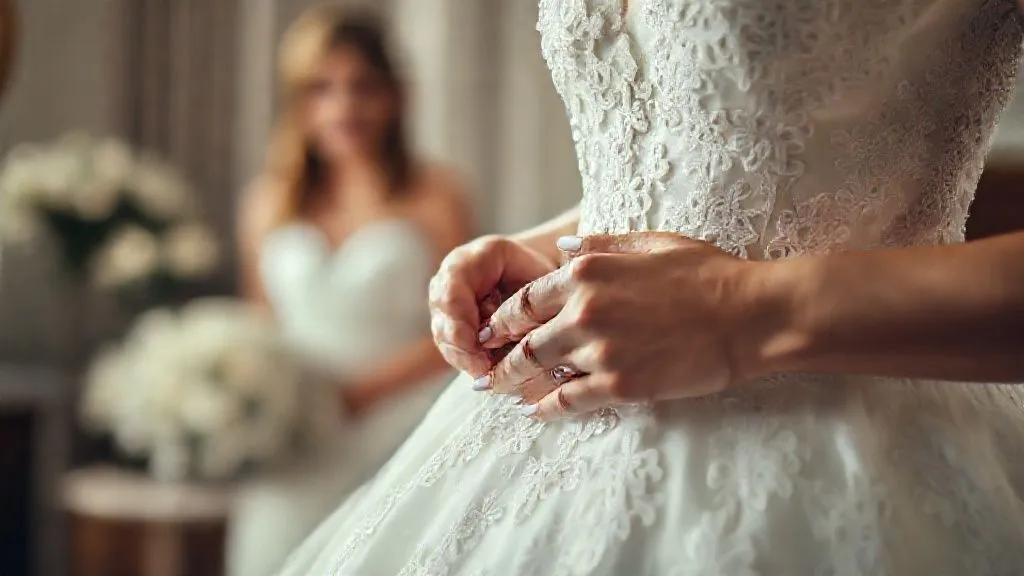
How to Resolve Bridal Gown Alteration Errors Without Losing Clients?
For over two decades in the intricate world of bridal fashion, I've witnessed firsthand the sheer joy and immense stress that accompanies a bride's journey to her perfect wedding day. The gown, often the centerpiece of this dream, is a sacred trust. I've also seen, with a heavy heart, how a single misstep in the alteration process can shatter that trust, turning excitement into despair and potentially costing a boutique not just a sale, but its reputation.
The sting of an alteration error isn't just a technical setback; it's an emotional blow for the bride and a serious business challenge for you. It threatens not only the immediate transaction but also the invaluable word-of-mouth referrals and the very fabric of your brand's integrity. In an industry built on dreams and flawless execution, how you handle these moments of crisis can define your longevity and success.
This isn't just about damage control; it's about transforming a potential disaster into an opportunity to demonstrate unparalleled professionalism and dedication. In this definitive guide, I will share the exact frameworks, battle-tested strategies, and empathetic approaches I’ve developed and refined over years, equipping you with the expertise on how to resolve bridal gown alteration errors without losing clients. We'll delve into actionable steps, real-world scenarios, and the critical mindset shifts required to not only fix the gown but also to rebuild and strengthen client relationships.
The Immediate Aftermath: Acknowledge, Apologize, Assess
When an alteration error is discovered, time is of the essence. Your immediate reaction sets the tone for the entire resolution process. This isn't the moment for blame; it's the moment for leadership and empathy.
1. Rapid Response & Empathetic Acknowledgment
As soon as an issue is identified – whether by your team or, more critically, by the bride – initiate contact immediately. Don't wait. Acknowledge her feelings of disappointment or frustration without minimizing them. Use phrases that show you understand the gravity of the situation, such as "I can only imagine how upsetting this must be," or "I understand this is not what you envisioned." Focus on listening more than speaking.
2. Sincere Apology & Taking Ownership
A genuine apology is paramount. It's not an admission of guilt that opens you to liability, but rather an acknowledgment of her negative experience. Take ownership of the situation, even if the root cause is unclear initially. "I am truly sorry that this has happened, and I understand the stress it's causing you." Avoid excuses or shifting blame. Your focus should be on demonstrating commitment to making it right.
3. Thorough Assessment & Root Cause Analysis
Once emotions have been acknowledged, it's time for a calm, professional assessment. Involve your most experienced alteration specialist. Document everything: photos, measurements, previous notes. The goal is to understand precisely what went wrong and why. Was it a miscommunication during the fitting? A technical error by the seamstress? A fabric issue? Understanding the root cause is crucial for both resolution and prevention.
"In the bridal industry, trust is the most delicate fabric. When an alteration error occurs, you're not just fixing a stitch; you're mending a broken promise. Your immediate, empathetic response is the first thread in that repair."

Crafting a Solution: Transparency & Collaborative Problem-Solving
Once you’ve acknowledged the problem and understood its scope, the next phase involves laying out a clear path forward. Transparency and collaboration are key to rebuilding the bride's confidence.
1. Presenting Clear Options & Timelines
Based on your assessment, present the bride with a concise, actionable plan. Offer clear options for resolution, explaining the pros and cons of each. Crucially, provide realistic timelines for completion. Under-promise and over-deliver. "We can recut this section, which will take X days, or we can carefully unpick and re-stitch, taking Y days. Both will restore the gown to perfection." Ensure she understands what to expect and when.
2. Involving the Bride in the Solution
Make the bride feel like a partner in the resolution, not just a recipient of a fix. Ask for her input on the proposed solutions. This empowers her and helps alleviate feelings of helplessness. "Which of these options feels best to you, given your wedding date?" Her involvement fosters a sense of control and collaboration, which is vital for maintaining client trust. This collaborative approach is also highlighted in studies on effective customer recovery, emphasizing the importance of shared decision-making. According to Harvard Business Review, empowering customers in problem-solving significantly boosts satisfaction.
3. The 'No-Cost' Resolution Pledge
Any additional work, rush fees, or associated costs incurred due to your error must be absorbed by your boutique. This is non-negotiable for client retention. Clearly communicate that there will be no extra charge to her. Consider offering a small discount on future accessories or services as a goodwill gesture, even if not explicitly requested. This demonstrates your commitment to her satisfaction beyond just fixing the gown.
Case Study: How 'Bella Bridal' Recovered a Crisis
Bella Bridal, a boutique known for its exquisite custom gowns, faced a critical alteration error. A seamstress mistakenly took in the waist of a bride's bespoke gown by an extra inch, making it unwearable just two weeks before the wedding. The bride, Sarah, was distraught. Instead of deflecting, Bella Bridal's owner, Maria, immediately met with Sarah, offering a sincere apology and taking full responsibility. Maria presented two options: a meticulous re-alteration by their master tailor or a complete, expedited reconstruction of the bodice, both at no additional cost and with a guaranteed completion date four days before the wedding. Sarah chose the re-alteration. During the process, Maria provided daily photo updates and even arranged for a complimentary luxury bridal robe as a gesture of goodwill. The gown was perfected, and Sarah, though initially upset, became an even stronger advocate for Bella Bridal, praising their exceptional problem-solving and dedication. This proactive approach on how to resolve bridal gown alteration errors without losing clients turned a potential disaster into a testament to their service.
The Execution Phase: Precision, Communication, and Quality Control
With a plan in place, the focus shifts to flawless execution. This stage requires heightened attention to detail and unwavering commitment to the agreed-upon solution.
1. Assigning Your A-Team & Dedicated Oversight
For critical re-alterations, assign your most skilled and experienced seamstress or tailor. This isn't a task for a junior team member. Designate a specific team leader or manager to oversee the process from start to finish. This person acts as the primary point of contact for the bride and ensures all steps are meticulously followed. This dedicated oversight minimizes further errors and instills confidence.
2. Proactive Communication & Progress Updates
Don't wait for the bride to call you. Provide regular, proactive updates on the progress of the alterations. A simple text message, email, or even a quick phone call can go a long way. "Just wanted to let you know [Seamstress's Name] is making excellent progress, and we're on track for your fitting on [Date]." This consistent communication reduces anxiety and reinforces your commitment to resolving the issue.
3. Rigorous Quality Checks & Final Fitting Protocol
Once the re-alteration is complete, implement an internal quality control check by a second senior team member before the bride's final fitting. They should scrutinize every seam, every measurement, and every detail against the original vision and the agreed-upon fix. The final fitting itself should be a celebratory, stress-free experience, allowing ample time for the bride to try on the gown and confirm her absolute satisfaction.
| Phase | Key Action | Owner | Timeline |
|---|---|---|---|
| Initial Assessment | Document & Analyze | Manager/Senior Seamstress | Within 24 hours |
| Solution Planning | Present Options & Agree | Manager | Within 48 hours |
| Execution | Dedicated Work & Updates | Senior Seamstress/Manager | As agreed with bride |
| Quality Control | Internal Review | Second Senior Staff | Before final fitting |
| Client Handover | Final Fitting & Follow-up | Manager/Stylist | As scheduled |
Beyond the Fix: Rebuilding Trust & Restoring Delight
Fixing the gown is only half the battle. The true victory lies in rebuilding the bride's trust and ensuring she leaves feeling delighted, not just satisfied. This requires going above and beyond the technical correction.
1. The Follow-Up: Post-Correction Care
Even after the gown has been picked up, a thoughtful follow-up can solidify the restored relationship. A few days after pickup, send a personalized message checking in. "We hope your gown is perfect and you're feeling excited for your big day! Please don't hesitate to reach out if you need anything at all." This shows you care beyond the transaction and reinforces your commitment to her overall experience.
2. Value-Added Gestures & Thoughtful Extras
Consider a small, unexpected gift or service. This could be a complimentary garment bag upgrade, a delicate bridal hanger, a small box of chocolates, or a discount on gown preservation services. These gestures, though small in cost, are immense in perceived value. They transform a negative experience into a memorable display of exceptional customer service, proving your dedication to resolving bridal gown alteration errors without losing clients.

3. Empowering Your Team: Training for Prevention
The best way to resolve errors is to prevent them. Invest in ongoing training for your entire team – from stylists to seamstresses. This includes technical alteration skills, but also crucial soft skills like active listening, clear communication, and empathetic problem-solving. Regular workshops on new fabrics, techniques, and customer service best practices will elevate your entire operation and reduce the likelihood of future mishaps. Forbes emphasizes that continuous employee training is vital for business success and customer satisfaction.
Preventing Future Errors: Systemic Improvements & Best Practices
True expertise isn't just about fixing problems; it's about building systems that prevent them from occurring in the first place. This requires a proactive, analytical approach to your alteration process.
1. Standardizing Alteration Protocols
Develop clear, written standard operating procedures (SOPs) for every step of the alteration process, from initial measurement taking to final quality checks. This ensures consistency and reduces reliance on individual memory or interpretation. Include checklists for each stage, mandatory double-checks, and specific guidelines for different gown types and fabrics. Standardization is a cornerstone of quality control in any high-precision industry.
2. Investing in Continuous Staff Training
Regular, mandatory training sessions for all alteration staff are non-negotiable. This includes refreshing core skills, introducing new techniques, and hands-on practice with challenging fabrics or designs. Encourage cross-training among seamstresses to share knowledge and create a more versatile team. Invest in workshops, industry conferences, and access to online learning platforms. A highly skilled and confident team makes fewer errors.
3. Leveraging Technology for Precision & Record-Keeping
Explore technology solutions that can enhance precision and streamline record-keeping. This could include digital measurement tools, software for managing alteration schedules and notes, or even 3D body scanning for highly accurate initial measurements. A robust digital record of every fitting, every measurement, and every adjustment provides invaluable data for both current resolution and future prevention. Accurate record-keeping means less guesswork and more accountability.
"Prevention isn't just better than cure; in bridal fashion, it's the foundation of an unblemished reputation. Build robust systems, empower your team, and let precision be your hallmark."
| Area of Improvement | Actionable Step | Impact |
|---|---|---|
| Measurement Accuracy | Implement digital body scanning or laser measures | Reduces initial fitting errors by 15-20% |
| Communication Clarity | Standardize client consultation forms & notes | Decreases misinterpretations by 10-15% |
| Skill Development | Monthly advanced alteration workshops | Enhances team proficiency & confidence |
| Quality Assurance | Mandatory two-person final inspection checklist | Catches 95% of residual errors before client pickup |
Navigating Difficult Conversations: De-escalation & Professionalism
Sometimes, despite your best efforts, a bride may be extremely upset. Handling these highly emotional situations requires a specific set of communication skills and a calm demeanor. This is where your expertise in how to resolve bridal gown alteration errors without losing clients is truly tested.
1. Active Listening & Validating Emotions
When a bride is emotional, her primary need is to feel heard and understood. Practice active listening: let her vent without interruption, make eye contact, and nod to show engagement. Reflect her feelings back to her: "I hear how frustrated you are, and I understand this is incredibly important to you." Avoid becoming defensive. Your calm presence can often de-escalate the situation more effectively than any immediate solution.
2. Maintaining Composure Under Pressure
It's easy to get flustered when faced with an angry client, but maintaining your professional composure is crucial. Speak in a calm, measured tone. Avoid mirroring her anger or frustration. Take a deep breath if you need to. Remember, her anger is often directed at the situation, not personally at you. Your steady demeanor will communicate control and competence, making her more receptive to your proposed solutions. Mind Tools provides excellent advice on staying calm and professional when dealing with angry customers.
3. Knowing When to Escalate (Internally)
While you should strive to resolve issues at the lowest possible level, there are times when internal escalation is necessary. If a client becomes verbally abusive, or if the situation is beyond your authority to resolve (e.g., a full refund request for an irreparable gown), involve a senior manager or owner. Clearly communicate to the bride that you are bringing in someone with more authority to ensure the best possible resolution, rather than implying you can't handle it. This maintains transparency and ensures she feels her concerns are being taken seriously at the highest level.
Learning from Every Mistake: A Culture of Continuous Improvement
Every alteration error, no matter how small, is a valuable learning opportunity. Embracing a culture of continuous improvement means viewing mistakes not as failures, but as data points for growth and refinement.
1. Post-Mortem Analysis: What Went Wrong?
After an alteration error has been successfully resolved, conduct a thorough internal post-mortem. Gather everyone involved – the stylist, the seamstress, the manager. Objectively review the entire process: from the initial consultation and measurements to the fitting and the re-alteration. What were the contributing factors? Where were the communication breakdowns? What process steps were missed or executed incorrectly? This isn't about assigning blame but about identifying systemic weaknesses.
2. Implementing Corrective Actions & Updates
Based on the post-mortem analysis, identify specific corrective actions. This might involve updating your SOPs, revising training modules, implementing new checklists, or investing in different tools. Ensure these changes are documented, communicated to the entire team, and integrated into your daily operations. For example, if a measurement error was common, introduce a mandatory double-check system for all key measurements.
3. Sharing Lessons Learned Across the Team
Foster an open environment where lessons learned from mistakes are shared openly and constructively across the entire team. This prevents similar errors from recurring and builds collective expertise. Regular team meetings can include a segment dedicated to "Lessons from the Fitting Room" or "Alteration Insights." This transparency reinforces the idea that everyone is part of the solution and contributes to the overall quality and reputation of the boutique. This continuous feedback loop ensures that your business consistently improves its ability on how to resolve bridal gown alteration errors without losing clients, making it a stronger, more resilient operation.

Frequently Asked Questions (FAQ)
Q: What if the bride is completely inconsolable and doesn't trust us anymore, even after we've fixed the gown? A: This is a challenging but not insurmountable situation. Beyond fixing the gown, focus intensely on emotional repair. Offer a significant gesture of goodwill – perhaps a complimentary veil, a substantial discount on accessories, or even a partial refund on the alteration cost, even if the fix was successful. Emphasize that your priority is her peace of mind and her perfect day. Sometimes, a heartfelt, handwritten note from the owner expressing genuine regret and commitment can make a difference. Involve a senior member of your team who can dedicate extra time to her, building a new rapport.
Q: Should we offer a full refund even if the gown is fixable? A: A full refund for a fixable gown should be a last resort, as it can devalue your services and the gown itself. Your primary goal is to provide a perfect, wearable gown. However, if the error was egregious, caused significant emotional distress, or the bride's trust is irrevocably broken despite all efforts, a full refund might be necessary to protect your brand's long-term reputation and avoid negative public reviews. Always weigh the cost of the refund against the potential damage of a negative client experience. This decision should be made by senior management.
Q: How do we handle a situation where the error is partially the bride's fault (e.g., significant weight change)? A: This requires extreme tact and empathy. While it's important to acknowledge the objective facts, avoid blaming the bride. Frame it as a collaborative challenge. "We understand that body changes can happen, and we're here to support you." Explain the additional work required and the associated costs transparently. Offer a discounted rate for the extra alterations as a gesture of goodwill, acknowledging the stress she's under. Focus on finding a solution together, rather than assigning fault. Document all agreements clearly.
Q: What legal considerations should we be aware of with alteration errors? A: Legal considerations can vary by region, but generally, contracts should clearly outline alteration policies, limitations, and timelines. Ensure your alteration agreement covers what happens in case of errors, who is responsible, and the scope of liability. Maintain meticulous records of all communications, measurements, and alteration notes. If a dispute escalates, consult with a legal professional specializing in consumer law or small business. Transparency and good faith efforts to resolve issues are always your best defense.
Q: How can small boutiques implement these comprehensive strategies without extensive resources? A: Many of these strategies are about mindset and process, not just budget. Start with clear communication protocols and standardized checklists. Invest in ongoing staff training through online courses or peer learning. For technology, even simple digital tools like shared spreadsheets or cloud-based note-taking apps can improve record-keeping. The key is consistency and a genuine commitment to customer satisfaction. Focus on building strong relationships and a reputation for integrity, which are invaluable resources for any size business.
Key Takeaways and Final Thoughts
- Immediate, Empathetic Response: Acknowledge, apologize, and take ownership quickly to de-escalate and begin rebuilding trust.
- Transparent, Collaborative Solutions: Involve the bride in decision-making, offer clear options, and commit to a no-cost resolution for errors.
- Flawless Execution & Communication: Assign your best team, provide proactive updates, and implement rigorous quality checks.
- Beyond the Fix: Follow up, offer thoughtful gestures, and continuously train your team for prevention.
- Systemic Prevention: Standardize protocols, invest in staff development, and leverage technology to minimize future errors.
- Expert De-escalation: Practice active listening and maintain composure during difficult conversations.
- Continuous Learning: Treat every mistake as an opportunity for internal analysis and process improvement.
The journey of a bridal gown is filled with dreams, and when an alteration error occurs, it's a moment of immense vulnerability for both the bride and your business. But as an experienced industry specialist, I can tell you that these moments are also profound opportunities. By approaching each challenge with empathy, professionalism, and a commitment to excellence, you not only resolve the immediate issue but also forge stronger, more loyal relationships. Mastering how to resolve bridal gown alteration errors without losing clients isn't just about damage control; it's about elevating your brand, reinforcing your reputation, and ensuring that every bride walks down the aisle feeling beautiful, confident, and utterly delighted with her experience with you. Your dedication to perfection, even in the face of imperfection, will ultimately define your lasting success.
Recommended Reading
- 7 Ways to Manage Unrealistic Honeymoon Expectations & Delight Clients
- 5 Steps to Resolve Wedding Photo-Video Conflicts On-Site: A Pro's Guide
- Mastering Custom Decor: 7 Strategies to Profit from Complex Wedding Requests
- 5 Pro Strategies: How to Handle Wedding Budget Overruns & Save Your Clients
- Budget Bachelorette? 7 Unique Ideas for an Unforgettable Party



Comments
Leave a comment below. Your email will not be published. Required fields marked with *