


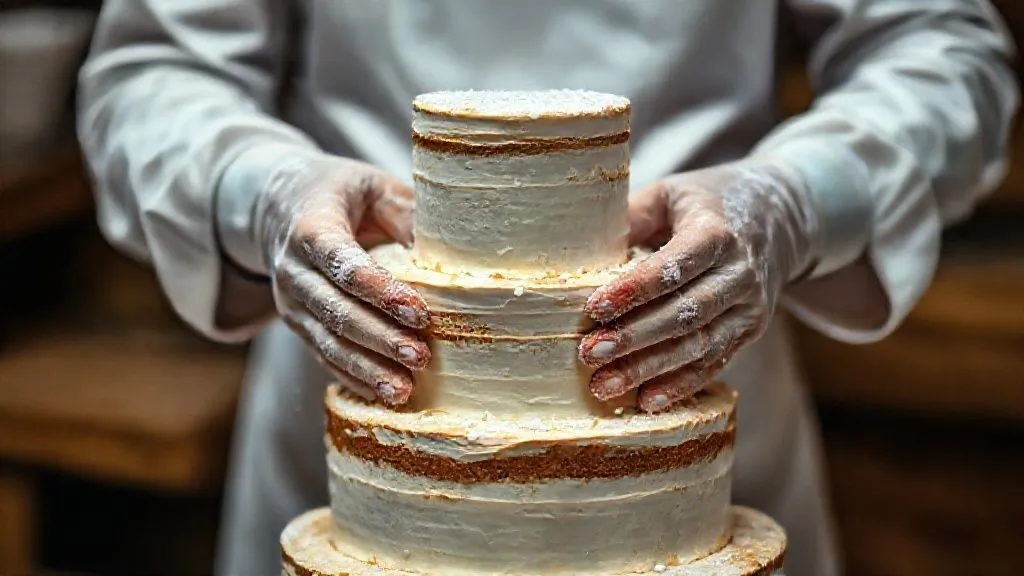
What to do when a custom wedding cake design fails mid-build?
For over two decades in the intricate world of custom wedding cakes, I've witnessed every triumph and, yes, every heart-stopping near-disaster. There's a particular kind of dread that washes over you when a meticulously planned design, a vision brought to life in sugar and butter, starts to falter mid-build. It’s a moment where experience, quick thinking, and a steady hand become your most valuable tools.
The structural integrity begins to compromise, a tier shifts, or a delicate sugar flower crumbles – the dream starts to crack. This isn't just about a cake; it's about a couple's most special day, a centerpiece of their celebration, and the pressure to deliver perfection can feel immense. The hours of planning, baking, and decorating seem to hang precariously in the balance, and doubt can quickly creep in.
But what if I told you that a mid-build failure isn't the end? In this definitive guide, I'll share my battle-tested strategies, expert frameworks, and real-world insights to not only salvage your custom wedding cake but often, to transform a near-disaster into a testament of your skill and resilience. We'll explore immediate assessments, critical communication, structural interventions, and aesthetic salvaging, ensuring you're equipped to handle any unexpected challenge when a custom wedding cake design fails mid-build and turn it into a success story.
Immediate Assessment: Stopping the Bleed and Stabilizing the Structure
The very first, and arguably most crucial, step when you realize a custom wedding cake design fails mid-build is to resist the urge to panic. Take a deep, calming breath. A clear mind is essential for effective problem-solving. Your initial reaction needs to be one of immediate assessment and stabilization, much like a first responder at an accident scene.
Begin by identifying the exact point and nature of the failure. Is it a subtle lean, a visible crack in the fondant, a shifted tier, or a more significant collapse? Understanding the specific type of structural or aesthetic compromise will dictate your next steps. Don't rush; observe carefully from all angles.
Once identified, remove any immediate threats or elements that could cause further damage. This might mean gently supporting a leaning tier with your hands, carefully removing a top-heavy decoration, or stabilizing a wobbly section. The goal here is to prevent the situation from worsening while you formulate a more permanent plan.
- Secure the Area: If the cake is on a turntable or unstable surface, move it to a solid, level workstation. Clear away any tools or debris that could interfere or cause further accidents.
- Gently Remove Affected Components: If a tier is leaning precariously or a decorative element has broken off, carefully remove it if it poses a risk to the rest of the cake. This might involve lifting a top tier to prevent it from sliding further, or carefully detaching a broken sugar flower.
- Assess Underlying Damage: Once immediate threats are contained, examine the internal structure. Are dowels compromised? Has a cake board slipped? Is the cake itself cracked? This deeper inspection will inform your repair strategy.
This initial phase is about damage control and ensuring the cake doesn't deteriorate further. It's the foundation upon which all subsequent repairs will be built.

Root Cause Analysis: Why Did It Fail and How to Prevent Reoccurrence?
Once the immediate crisis is stabilized, the next critical step is to understand why the custom wedding cake design fails mid-build. A thorough root cause analysis is not about self-blame, but about learning and preventing future incidents. Was it a design flaw, a material issue, an environmental factor, or perhaps a technique error?
Understanding the 'why' is crucial for both effective repair and for enhancing your future cake engineering. Without knowing the cause, you risk patching a symptom rather than fixing the underlying problem, leading to potential re-failure.
Common Culprits in Cake Catastrophes
- Inadequate Internal Support: This is perhaps the most common reason. Insufficient or improperly placed dowels, weak central rods, or using the wrong type of support for the cake's weight.
- Incorrect Cake Density or Recipe Choice: Using a very light, delicate cake recipe (e.g., chiffon) for a heavy, multi-tiered structure without adequate compensation can lead to compression and collapse.
- Improper Leveling or Stacking Techniques: Uneven cake layers or fillings, or stacking tiers without ensuring they are perfectly level, can introduce stress points and cause leaning.
- Environmental Factors: High heat and humidity can soften buttercream, ganache, and even cake itself, leading to instability. Vibrations from nearby construction or heavy foot traffic can also contribute.
- Transportation Stress: If the failure occurs after some movement or partial delivery, bumps, sudden stops, or uneven roads can compromise even well-built cakes.
- Overweight Tiers: Placing a disproportionately heavy tier on top of a lighter, less supported one.
According to a study published by the American Cake Decorators Association, over 60% of structural cake failures are attributed to insufficient or incorrectly implemented internal support systems. This highlights the paramount importance of robust engineering in cake design. As renowned pastry engineer, Chef Anna Petrosian, often emphasizes, "A beautiful cake is only as strong as its foundation. Never compromise on your internal architecture; it's the invisible hero of every successful tiered cake." Her wisdom underscores that the unseen structural elements are just as vital as the visible decorations.
| Failure Type | Root Cause | Prevention Strategy |
|---|---|---|
| Leaning/Shifting | Uneven leveling, weak doweling, soft filling | Level cakes meticulously, use strong dowels/central rod, firm fillings |
| Cracking/Tearing | Dry cake, sudden temperature changes, excessive handling | Moist recipes, gradual temperature acclimation, minimal handling |
| Collapse (Partial) | Overweight tiers, inadequate support, improper stacking | Calculate tier weight, use robust support, stack carefully |
Communication is Key: Informing the Client (Carefully and Confidently)
This is arguably the most delicate step when a custom wedding cake design fails mid-build. Your client has entrusted you with a pivotal element of their special day, and discovering a setback can be incredibly distressing for them. Transparency, handled with professionalism and a clear focus on solutions, is paramount to maintaining trust.
Before you pick up the phone, ensure you have a full understanding of the situation and a viable plan for resolution. Never contact a client in a state of panic or without concrete solutions in mind. Your confidence in handling the problem will reassure them.
- Assess Fully Before Contacting: Complete your immediate assessment and root cause analysis. Have a clear repair strategy outlined. This allows you to speak from a position of control and expertise.
- Choose the Right Time and Medium: A phone call is almost always preferable to a text or email for sensitive issues. It allows for immediate interaction, empathy, and the ability to answer questions directly. Choose a time when you know they can talk without distraction.
- Explain the Issue Calmly and Professionally: Start by stating that there's been an unforeseen challenge, but immediately pivot to the fact that you have a plan. Avoid overly technical jargon. Focus on the impact and your proposed solution, not just the problem itself.
- Present a Clear Action Plan and Solutions: Detail what steps you are taking to rectify the situation. Offer specific, actionable solutions. For instance, "The top tier shifted, but I've stabilized it, and I'm reinforcing it with a central rod, then re-decorating the affected area."
- Offer Alternatives or Compensation if Necessary: If the original design cannot be fully replicated, or if the repair will visibly alter the aesthetic, be prepared to offer alternatives or a gesture of goodwill, such as a partial refund, an extra dessert, or a complimentary anniversary cake. This demonstrates your commitment to their satisfaction.
"In my years, I've learned that clients appreciate honesty, especially when paired with a clear path forward. Never hide a problem; present a solution. Your integrity in these moments defines your reputation."
Emphasize your unwavering commitment to delivering their dream cake, even if it means extra hours or creative adjustments. Reassure them that their wedding cake will be beautiful and structurally sound for their celebration.
Structural Solutions: Reinforcing & Rebuilding with Precision
When a custom wedding cake design fails mid-build, the structural repair is where your engineering skills truly shine. The approach will depend entirely on the nature and extent of the damage. This often involves a delicate balance of deconstruction, reinforcement, and reconstruction.
Think of yourself as a cake architect, reinforcing a delicate structure. This phase demands patience, precision, and an understanding of the physics of cake building.
For Leaning or Shifting Tiers:
- Gently Deconstruct Affected Tiers: Carefully lift the leaning tiers, using cake lifters or wide spatulas. Avoid forcing anything, which could cause more damage.
- Re-level and Re-dowell: Inspect the cake boards and the surface of the cake below for unevenness. Use a spirit level to ensure each tier is perfectly flat before re-stacking. Replace any compromised dowels with new, stronger ones, ensuring they are cut to the exact height of the cake layer they support.
- Use a Central Support Rod: If not already in place, insert a food-safe central acrylic or wooden rod through multiple tiers for added stability. This acts as a spine, preventing lateral movement.
- Firm Up Fillings: If soft fillings contributed to the lean, consider replacing them with a firmer ganache, a stiffer buttercream, or adding a dam of buttercream around the perimeter of the cake before adding the softer filling.
For Cracks or Splits in Fondant/Ganache:
- Patching with Ganache or Buttercream: For minor cracks, a small amount of matching ganache or stiff buttercream can be carefully smoothed over the area.
- Applying Decorative Elements to Conceal: Often, the most elegant solution is to strategically place a sugar flower, edible lace, a stencil design, or a piped border over the crack, turning a flaw into a design feature.
- Using Edible Glues for Minor Sugarpaste Repairs: For small tears in sugarpaste, a tiny amount of edible glue can be used to re-adhere edges, then gently smoothed.
This is where your engineering skills come into play. It's about more than just patching; it's about understanding the forces at work within the cake and strategically counteracting them. Remember, a structurally sound cake is a safe cake, both for eating and for display.
Aesthetic Recovery: Decorating Around Disaster and Enhancing the Design
Sometimes, when a custom wedding cake design fails mid-build, a direct structural repair might leave a slight imperfection, or the initial damage might be purely superficial. This is where your artistic creativity becomes your greatest asset. The goal is to not just hide the flaw, but to integrate a new element that enhances the overall design, making the repair seem like an intentional part of the cake's beauty.
Embrace the opportunity to enhance the design. A minor setback can often lead to a more unique and personalized cake than originally planned. It's about transforming a challenge into a creative triumph.
Creative Concealment Techniques:
- Adding Fresh Flowers or Elaborate Sugar Arrangements: A strategically placed cascade of fresh blooms or a cluster of intricate sugar flowers can beautifully mask a crack, a tear, or an uneven seam. Ensure any fresh flowers are food-safe and properly prepared (taped/wired).
- Applying Additional Edible Lace or Stenciling: Delicate edible lace appliques or stenciled patterns can cover imperfections while adding texture and elegance. These can be applied directly to the fondant or buttercream.
- Using Edible Paints or Dusts to Create New Textures: For minor scuffs or smudges, edible paints, metallic dusts, or airbrushing can create a new focal point or a gradient effect that makes the original flaw invisible.
- Strategically Placing Ribbons or Edible Pearls: A well-placed satin ribbon, a band of edible pearls, or decorative piping can effectively camouflage a problem area, especially around the base of a tier or an edge.
- Re-piping or Adding New Borders: If a piped border is damaged, carefully scrape it off and re-pipe, or add a more elaborate border design to draw the eye away from the original issue.
I recall a time a delicate sugarpaste overlay on a vintage-themed wedding cake unexpectedly tore during application. Instead of trying to patch it invisibly, which would have looked clumsy, we decided to embrace it. We carefully peeled back the torn edges slightly and added a cascading floral arrangement of sugar roses and leaves that flowed beautifully down one side, making it look like the tearing was intentional, part of a 'deconstructed elegance' theme. The client was none the wiser, and genuinely loved the unique, organic flow of the design. This experience cemented my belief in creative adaptation and turning perceived flaws into features.
For more inspiration on decorative techniques that can salvage a design, explore resources like Wilton's Wedding Cake Decorating Techniques, which offers a wealth of ideas for enhancing and transforming cake aesthetics.
The Emergency Toolkit: Essentials for Mid-Build Saves
Just as a surgeon has their instruments or a mechanic their wrenches, a professional cake artist needs a well-stocked emergency toolkit. This isn't just about having spare parts; it's about being prepared for the unexpected when a custom wedding cake design fails mid-build, ensuring you have the right tools at your fingertips to execute quick, effective repairs. Think of it as your cake's first aid kit – you hope you never need it, but you'll be eternally grateful when you do.
- Extra Dowels (various sizes) & Central Support Rods: Crucial for reinforcing or replacing compromised internal structures. Include plastic, wooden, and possibly acrylic options.
- Spare Buttercream/Ganache, Fondant/Sugarpaste: Always have extra batches of your primary covering and filling on hand. Color-matched if possible.
- Edible Glue & Piping Gel: Essential for re-adhering decorations, patching small tears, or securing delicate elements.
- Small Palette Knives & Spatulas: For precise application of patching materials and smoothing surfaces.
- Extra Piping Bags, Tips, & Couplers: For quick piping repairs or adding new decorative borders.
- Fresh Flowers (if part of design), Floral Tape/Wire: If fresh flowers are incorporated, having a few extra can be a lifesaver for last-minute cover-ups.
- A Small Spirit Level & Ruler: Indispensable for checking and correcting the level of tiers during repair.
- Parchment Paper & Wax Paper: Useful for working on delicate sugarpaste elements or protecting surfaces.
- Cleaning Supplies: Paper towels, small brushes, and a spray bottle with water for quick clean-ups.
- A Calm Demeanor: This isn't a physical item, but it's the most vital tool in your kit. Your ability to remain composed under pressure will make all the difference.
Having these items readily accessible can save precious time and significantly reduce stress when a crisis strikes. It’s about being proactive and prepared for any eventuality. Understanding the underlying science of your ingredients can also offer insights into how they behave under stress. Resources like The Science of Baking Cakes - America's Test Kitchen can deepen your knowledge.
Pre-Bake Checklist for Structural Integrity
| Component | Checklist Item | Status |
|---|---|---|
| Cake Recipe | Appropriate density for stacking? | Y/N |
| Fillings | Stable, firm, and temperature-resilient? | Y/N |
| Internal Supports | Correct type and quantity of dowels/rods? | Y/N |
| Cake Boards | Sturdy and correctly sized for each tier? | Y/N |
| Environment | Temperature/humidity controlled during build? | Y/N |
Prevention is Better: Lessons Learned for Future Builds
While mastering the art of rescuing a cake when a custom wedding cake design fails mid-build is crucial, the ultimate goal is to prevent such failures from happening in the first place. Every challenge, every near-disaster, offers invaluable lessons that should be integrated into your future practices. It's about evolving from reactive problem-solving to proactive, robust design and execution.
As I've often said, "The best cake rescue is the one you never have to perform." Investing time in meticulous planning and rigorous execution minimizes the need for emergency interventions.
Key Takeaways for Robust Design:
- Over-engineer Your Support: Always err on the side of caution. Use more dowels, stronger materials, or a central support rod even if you think you might not strictly need it. It’s better to be over-supported than under-supported.
- Test New Recipes & Techniques: Never use a new cake recipe, filling, or complex structural technique for the first time on a critical wedding cake. Test its structural integrity, flavor, and workability beforehand.
- Client Communication and Expectations: Set clear expectations from the outset regarding design limitations, environmental factors (especially for outdoor weddings), and transportation requirements. Educate clients on how certain design elements might impact stability.
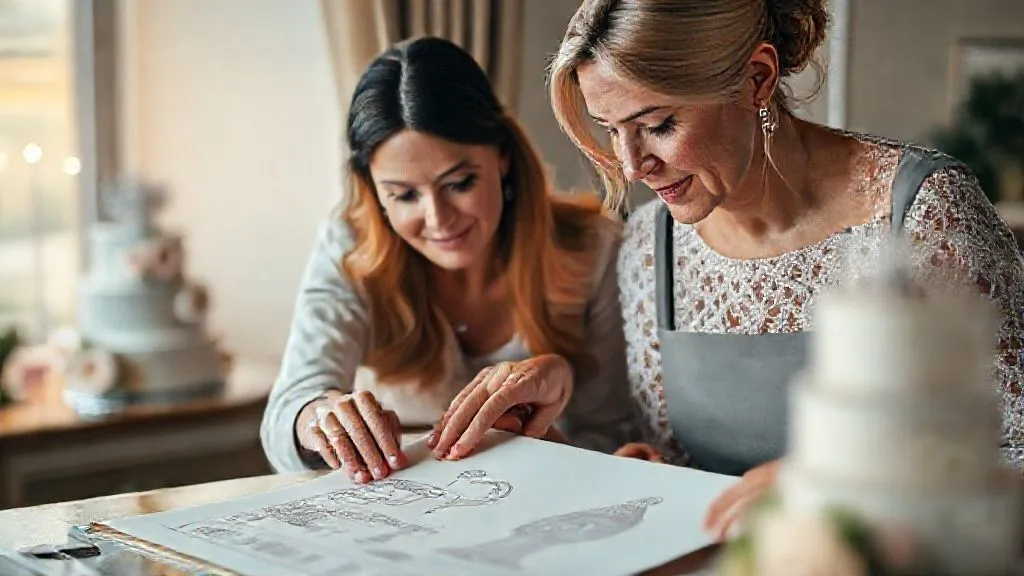
- Detailed Sketches and Blueprints: Create comprehensive sketches and even internal 'blueprints' that detail every structural element, dowel placement, and support system. This ensures consistency and catches potential flaws early.
- Practice Complex Techniques: If a design involves intricate sugar work, delicate piping, or advanced stacking methods, practice these elements until you achieve mastery before applying them to the final wedding cake.
- Environmental Control: Maintain a consistent, cool, and dry environment in your workspace during the entire build process, especially when working with temperature-sensitive ingredients.
By integrating these preventative measures into your workflow, you not only reduce the likelihood of encountering mid-build failures but also build a reputation for reliability and excellence. This proactive approach elevates your craft and instills confidence in both yourself and your clients.
When to Call It: The Difficult Decision to Start Over
While most mid-build failures can be salvaged with skill and creativity, there are rare, critical instances where the damage is too extensive, the integrity too compromised, or the time too short to execute a reliable repair. This is perhaps the most difficult decision a cake artist faces: knowing when to gracefully accept defeat and initiate a complete rebuild. It's a testament to your integrity and commitment to quality.
This is a tough call, one I've had to make only a handful of times in my career. It requires immense humility and integrity to admit that a repair simply won't meet your professional standards or the client's expectations. But sometimes, starting fresh is the only way to guarantee perfection and protect your reputation.
Red Flags Indicating a Total Rebuild:
- Extensive Structural Collapse: If multiple tiers have completely collapsed, or the internal structure is irrevocably damaged beyond simple reinforcement, attempting to piece it back together often leads to a visibly flawed and potentially unstable final product.
- Major Flavor Contamination: If non-food-safe materials have accidentally come into contact with the cake, or if a significant amount of a foreign substance (e.g., cleaning solution) has contaminated it, the cake is no longer safe to consume.
- Unfixable Aesthetic Damage: If the damage is so severe that even the most creative concealment techniques cannot restore the client's original vision, or if the repair would fundamentally alter the cake's intended aesthetic in an unacceptable way.
- Insufficient Time for a Reliable Repair: If the wedding is hours away and a thorough, stable repair would take longer than you have, starting a simpler, smaller, but perfect new cake might be the only viable option.
- Compromised Food Safety: Any situation that compromises the food safety of the cake means it must be discarded. This is non-negotiable.
Case Study: The Leaning Tower of Love
I once had a situation where a stunning five-tier wedding cake, destined for a grand outdoor reception, started to lean significantly due to an unexpectedly humid day causing the buttercream filling to soften and the internal dowels to shift. The client's vision was a perfect, pristine white tower. Panic set in, but recalling my protocols, I immediately stabilized the cake. After carefully deconstructing the top three tiers, I discovered one dowel had slipped. I reinforced *all* dowels with stronger, wider plastic supports, added a central acrylic rod through the entire structure, and used a firmer ganache for re-stacking. To mask any minor imperfections from the deconstruction, we added a delicate sugar flower cascade that flowed beautifully down one side, transforming the "lean" into a purposeful, artistic flow. The client was none the wiser, and the cake stood proud throughout the celebration. This experience cemented my belief in proactive reinforcement and creative adaptation, but it also taught me to recognize the line where a rebuild might have been necessary had the damage been more extensive.
Making the decision to start over is painful, both in terms of lost time and materials, but it is ultimately an act of professionalism. It ensures that the couple receives a perfect, beautiful, and safe cake for their wedding day, upholding your reputation as a dedicated artisan. For further insights into planning and preventing issues, resources like Brides.com Wedding Cake Planning Tips can be helpful for understanding client expectations and common challenges.
Frequently Asked Questions (FAQ)
What if the cake is already delivered and starts to fail at the venue? This is a critical scenario that requires immediate action and clear communication. First, contact the venue's coordinator or your on-site assistant immediately. If you're not physically present, guide them through immediate stabilization steps over the phone – often, this involves gently pushing the cake back into alignment and assessing if it's safe to remain on display. If possible, dispatch an emergency kit and a skilled assistant to the venue. Focus on securing it for photos, even if a full, invisible repair isn't possible. Sometimes, a quick swap of a top tier (if you have a spare) or a creative re-arrangement of surrounding desserts can divert attention. Always have a contingency plan for delivery, including a designated contact person at the venue and a clear set of instructions for them.
How do I manage client expectations if the original design can't be fully replicated after a failure? Transparency is paramount, but it must be handled with sensitivity and a solution-oriented approach. After assessing the damage and viable solutions, schedule a calm, professional phone call with the client. Explain the situation clearly, emphasizing that you are fully committed to delivering a beautiful, delicious cake for their special day. Present the best possible alternative solution, perhaps with minor design adjustments that maintain the essence of their original vision. Frame it as an evolution or a creative adaptation of the design. Offer a small discount on the final balance or an added bonus (like extra custom cookies or a complimentary anniversary cake) as a gesture of goodwill and apology for the unforeseen issue. The key is to ensure they feel involved and valued, not just informed of a problem.
Are there specific cake flavors or types that are more prone to structural failure in multi-tiered designs? Absolutely. Lighter, more delicate cakes like chiffon, very moist sponge cakes, or those with a high ratio of liquid to flour are inherently less stable for multi-tiered structures, especially when paired with soft, fruit-heavy, or jelly-like fillings. Cakes with a higher fat content, such as pound cakes, dense butter cakes, or mud cakes, offer significantly more structural integrity. Similarly, fillings that are very soft (e.g., whipped cream, unstable fruit purees, or very loose curds) can compress or squeeze out under the weight of upper tiers. When designing, always consider the structural implications of your flavor choices and be prepared to compensate with robust internal support systems for softer cake types and fillings.
What legal or contractual implications should I be aware of if a cake fails? This is precisely why clear, comprehensive contracts are vital for any custom cake business. Your contract should ideally outline responsibilities for delivery, setup, and what constitutes a "failure" that is beyond your control (e.g., venue negligence, extreme environmental conditions at the venue, improper handling by third parties). It should also detail your commitment to repair efforts and potential remedies for unfixable issues, such as partial refunds, alternative dessert options, or credit for future orders. Having clauses about unforeseen circumstances and your resolution process protects both parties and sets clear expectations. Consulting with a legal professional to draft or review these clauses is highly recommended to ensure compliance and robust protection.
How can I prevent structural issues during transportation? Transportation is often the riskiest phase for any multi-tiered wedding cake. To mitigate risks, always use a sturdy, non-slip mat in your vehicle (e.g., rubber shelf liner). Drive slowly and avoid sudden stops, sharp turns, or bumpy roads. Ensure the cake is thoroughly chilled and firm before transport, as cold cakes are much more stable. For very tall or exceptionally delicate cakes, consider transporting tiers separately and assembling them on-site at the venue. Investing in professional, purpose-built cake carriers or custom-built transport boxes with internal bracing can make a significant difference. Finally, provide clear, written instructions to the venue staff or client regarding proper handling upon arrival, including temperature requirements and how to move the cake safely.
Key Takeaways and Final Thoughts
The journey of creating a custom wedding cake, from initial consultation to the grand reveal, is a deeply rewarding one, a true testament to skill, passion, and often, resilience. When a custom wedding cake design fails mid-build, it's not a sign of defeat, but an unexpected opportunity to demonstrate your expertise, adaptability, and unwavering commitment to your craft and your clients.
- Act Calmly & Quickly: Panic is your enemy; a calm, methodical assessment and immediate stabilization are your first allies.
- Diagnose the Root Cause: Understand *why* the failure occurred to effectively fix it and prevent recurrence. This builds foundational knowledge.
- Communicate with Integrity: Be transparent and solution-oriented with your client, fostering trust even in challenging moments.
- Master Structural & Aesthetic Repairs: Equip yourself with the knowledge, skills, and tools to confidently rebuild and creatively beautify.
- Prioritize Prevention: Learn from every challenge to continuously refine your techniques and build stronger, more resilient cakes from the outset.
Embrace these challenges as learning experiences that sharpen your skills and deepen your expertise. Every salvaged cake, every satisfied client, reinforces your reputation as a master artisan capable of transforming potential setbacks into triumphs. Continue to craft edible masterpieces that not only delight the senses but also stand the test of time – and gravity. Your clients' joy, and your professional reputation, depend on it.
Recommended Reading
- Booked Wedding Vendor Cancels? Your 6-Step Action Plan to Rebook & Thrive
- 7 Smart Strategies: Groomsmen Gifts for Diverse Hobbies & Styles
- 7 Proven DJ Strategies: How to Re-Energize a Dead Wedding Dance Floor Fast
- 8 Expert Steps: Preventing International Honeymoon Travel Disruptions for Clients?
- Misprinted Wedding Place Cards? 7 Urgent Steps to Fix Pre-Wedding Disasters


Comments
Leave a comment below. Your email will not be published. Required fields marked with *