


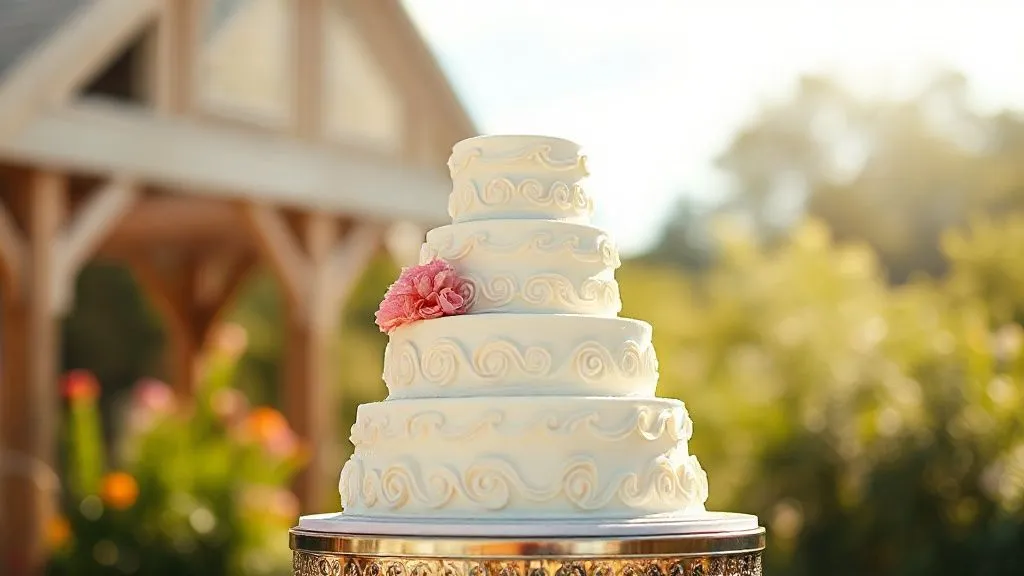
How to Prevent Outdoor Wedding Cake Displays from Melting in Heat?
For over fifteen years in the bustling world of wedding cakes, I’ve witnessed countless dreams come true, but also a few heart-wrenching moments. One particular incident, a gorgeous five-tier masterpiece designed for a sweltering August afternoon, still haunts me. The couple had envisioned their cake under a picturesque oak tree, believing its natural shade would suffice. By the time the reception began, the delicate buttercream swirls had begun to weep, the fondant flowers wilted, and the entire top tier slowly, visibly, started to slide. It was a stark, painful reminder of the brutal reality of heat on even the most meticulously crafted wedding cake.
The agony of seeing your perfect wedding cake succumb to the elements is a pain no couple, no planner, and certainly no baker wants to experience. Beyond the aesthetic disaster, it represents wasted investment, shattered expectations, and a logistical nightmare on a day meant to be flawless. The challenge of displaying a delicate, edible work of art outdoors in warm weather is monumental, often underestimated until it’s too late. It’s not just about temperature; humidity, direct sunlight, and even ground heat play critical roles in a cake’s rapid demise.
But fear not! Through years of trial, error, and meticulous planning, I’ve developed and refined a suite of strategies that genuinely work. In this comprehensive guide, I’ll share my expert insights, actionable frameworks, and real-world tips on how to prevent outdoor wedding cake displays from melting in heat, ensuring your beautiful creation remains picture-perfect from the first glance to the final slice. We’ll cover everything from site selection and cake composition to active cooling and emergency plans, empowering you to confidently tackle any outdoor wedding scenario.
The Science of Melting: Understanding Your Enemy
Before we can conquer the heat, we must understand its mechanisms. A wedding cake isn't just a static object; it's a delicate structure of fats, sugars, and moisture, all highly susceptible to changes in ambient temperature and humidity. The primary culprit in outdoor cake disasters is often a combination of direct solar radiation and high air temperature, which causes the fats in buttercream to soften and separate, and the sugar in fondant to attract moisture and become tacky or dissolve.
Buttercream vs. Fondant: A Heat Showdown
Not all cake coatings are created equal when it comes to heat resistance. Buttercream, particularly traditional American buttercream, is largely fat-based (butter and shortening). Butter melts at relatively low temperatures, typically around 86-95°F (30-35°C), making it highly vulnerable to heat. Swiss or Italian meringue buttercreams, while more stable due to the egg whites, still contain significant butter content and will soften considerably. Fondant, a sugar paste, offers a better barrier against heat, but it's not immune. High humidity can make fondant sticky, saggy, and prone to 'sweating,' where condensation forms on its surface, leading to color bleeding and structural weakening. If the cake underneath is buttercream, the fondant offers only a temporary shield.
The Role of Humidity: The Silent Killer
While temperature grabs the headlines, humidity is often the silent assassin. High moisture in the air causes sugar to absorb water, leading to a host of problems. Fondant can become soft and lose its shape, while sugar decorations like gum paste flowers can become pliable and droop. Even if the temperature isn't scorching, high humidity can turn a crisp, elegant cake into a sticky, sagging mess. This is particularly crucial in coastal or tropical climates where humidity levels are consistently high, even on moderately warm days.
Strategic Location: Choosing the Perfect Spot
The single most impactful decision you can make to protect an outdoor wedding cake is its placement. This isn't just about aesthetics; it's a strategic battle plan against the elements. I always advise couples and planners to scout the location at the exact time of day the cake will be displayed, ideally on a day with similar weather conditions, weeks or even months before the wedding.
- Natural Shade: Look for large, mature trees or existing architectural overhangs that provide consistent, dense shade throughout the display period. Remember that the sun moves, so what's shaded at noon might be fully exposed by 3 PM.
- Airflow: A gentle breeze can help dissipate heat and humidity around the cake. Avoid stagnant, enclosed areas that might trap hot, humid air. However, too much direct wind can dry out the cake or even cause structural damage to delicate decorations.
- Ground Type: Concrete or asphalt surfaces absorb and radiate heat much more intensely than grass or soil. Elevate the cake off hot surfaces using a sturdy, insulated pedestal or table to minimize heat transfer from below.
- Distance from Heat Sources: Keep the cake far away from grills, outdoor heaters, or even large groups of people, as body heat can contribute to the microclimate around the cake.
“The perfect spot isn't just picturesque; it's a fortress against the sun. Always prioritize shade and airflow over a 'pretty' but exposed location. A beautiful cake melting isn't pretty to anyone.”

Structural Integrity: Building a Heat-Resistant Masterpiece
The battle against melting starts long before the cake leaves the kitchen. A cake destined for an outdoor summer wedding requires a different approach to its internal architecture and even its ingredient composition. Think of it as engineering an edible skyscraper.
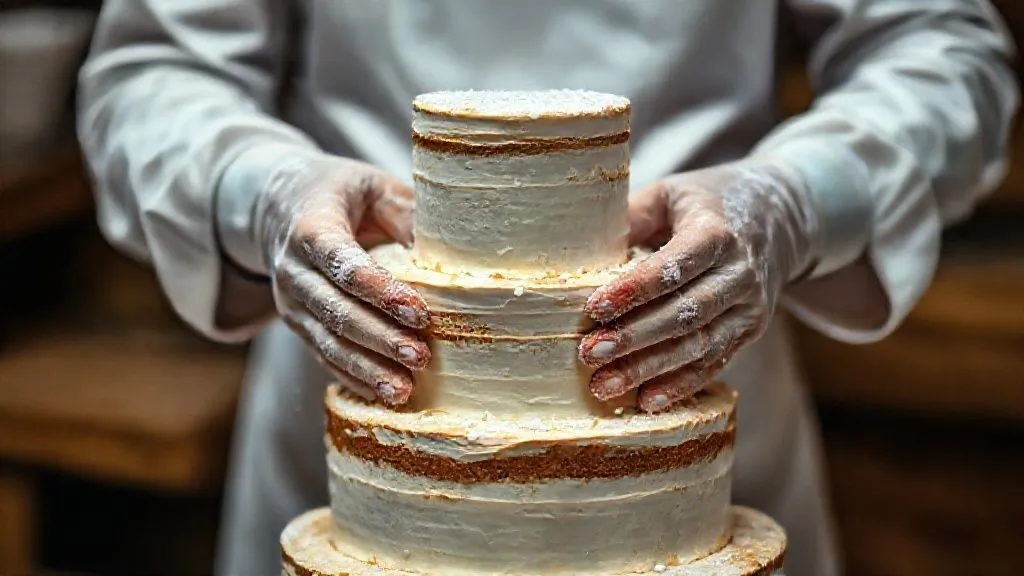
- Internal Support Systems: For tiered cakes, robust internal support is non-negotiable. Use strong dowels (plastic, wooden, or even polycarbonate rods) cut precisely to the height of each tier, ensuring they bear the weight of the tiers above, not the cake layers themselves. A central dowel or rod running through multiple tiers adds an extra layer of stability.
- Dense Cake Layers: Lighter, airy cakes like chiffon or genoise are lovely but often too delicate for outdoor heat. Opt for denser, more stable recipes like pound cake, madeira cake, or a firm vanilla or chocolate sponge. These cakes hold their shape better under stress.
- Chill Thoroughly: Every component of the cake – from the layers themselves to the filling and frosting – should be thoroughly chilled before assembly and then again after each stage of decoration. A cold cake takes longer to warm up.
Cake Composition: Ingredients that Endure
Beyond the structure, the ingredients play a crucial role. While I adore a rich, buttery buttercream, sometimes compromise is necessary for the sake of stability. Consider using fillings and frostings that have a higher melting point or greater stability.
- Ganache: A chocolate ganache (chocolate and cream emulsion) sets firm and is far more heat-stable than buttercream. It can be used as a filling, a crumb coat, or even as the primary exterior finish.
- Cream Cheese Frosting: While delicious, traditional cream cheese frosting is notoriously soft and heat-sensitive. Look for stabilized versions that incorporate meringue powder or gelatin.
- Marzipan: A paste made from almonds and sugar, marzipan is very stable and can be used under fondant or as a decorative element.
- Fondant: As mentioned, fondant provides a protective shell. Ensure it’s applied smoothly and relatively thickly to offer the best insulation.
| Component | Heat Stability | Pros | Cons |
|---|---|---|---|
| Buttercream (Traditional) | Low | Rich flavor, smooth texture | Melts easily, sensitive to humidity |
| Meringue Buttercream | Medium | Silky, less sweet, more stable than American | Still butter-based, can soften |
| Chocolate Ganache | High | Very stable, rich flavor, sets firm | Can be heavy, limited color options |
| Fondant (over ganache/firm cake) | High (protective layer) | Smooth finish, protects inner cake, durable | Can sweat in humidity, less flavor than buttercream |
| Cream Cheese Frosting | Very Low | Tangy, popular flavor | Extremely soft, needs refrigeration |
The Power of Shade: Beyond the Umbrella
While a natural shade tree is ideal, it’s not always available or sufficient. Relying solely on a small patio umbrella is a gamble I've seen too many take and lose. Proactive, robust shading solutions are paramount for any outdoor cake display.
Elegant Tents and Pavilions
For a truly foolproof solution, consider incorporating a small, elegant tent or pavilion specifically for the cake display. These don't have to be massive structures; a chic 10x10 foot canopy can provide ample protection. Look for options with solid, opaque roofs that block UV rays, not just filter them. Side walls, even if sheer, can offer additional protection from indirect sunlight or wind.
Natural Shade vs. Artificial Structures
When selecting your shade, understand the difference. Natural shade from trees is beautiful but can be unpredictable as the sun moves. Artificial structures, like purpose-built canopies or gazebos, offer consistent, reliable shade. If using natural shade, observe how the sun moves throughout the day. If using an artificial structure, ensure it's securely anchored to withstand any unexpected breezes.

Active Cooling Solutions: Keeping Your Cake Chill
Sometimes, shade alone isn't enough, especially on truly scorching days. This is where active cooling comes into play. These aren't always visible but are incredibly effective at creating a microclimate around your cake.
Portable Air Conditioners and Fans
Yes, you read that right. For high-stakes outdoor displays, I’ve often recommended discreetly placed portable air conditioning units or powerful fans. For AC, a small, quiet unit can be hidden behind draping or foliage, directing cool air towards the cake table. Fans, even small battery-operated ones, can create air circulation that helps evaporate moisture and keeps the ambient temperature around the cake slightly lower. Just ensure they aren't blowing directly onto the cake, which can dry it out.
Insulated Platforms and Cooling Packs
Heat rises from the ground, but it also radiates from the table surface. Using an insulated cake platform is a game-changer. These can be custom-built with layers of insulation (like Styrofoam or rigid foam board) or even contain hidden compartments for gel cooling packs. These packs, similar to those used in coolers, can be placed underneath the cake stand or within the platform to keep the base of the cake chilled. Remember to use fresh, fully frozen packs and replace them if the display is prolonged.
Case Study: How 'Sweet Beginnings Bakery' Saved a Summer Wedding Cake
One summer, 'Sweet Beginnings Bakery' faced a dilemma: a client insisted on an outdoor display for their intricate naked cake in Phoenix, Arizona, where temperatures often soared past 100°F. Instead of declining, the bakery implemented a multi-pronged strategy. They positioned the cake beneath a custom-built, opaque pergola draped with UV-blocking fabric. Crucially, they designed a decorative cake table with a hidden compartment housing several large, frozen gel packs beneath a thick insulated board. Additionally, a small, silent, battery-operated fan was concealed within the table's floral decor, gently circulating air. The cake, delivered just 30 minutes before the ceremony, remained perfectly stable for the entire outdoor photo session and cutting. This innovative combination of shade, insulation, and active airflow demonstrated that even extreme conditions can be managed with the right approach.
Timing is Everything: Delivery and Display Logistics
Even with all the preventative measures, the duration of the cake's exposure to the elements is a critical factor. The less time it spends outside, the lower the risk of damage. This means meticulous planning for delivery and display.
- Late Delivery: Arrange for the cake to be delivered as close to the cutting time as possible. Ideally, it should arrive no more than 1-2 hours before it’s needed for photos and serving. This might mean the cake arrives after the guests, which is perfectly acceptable for its preservation.
- Refrigerated Transport: Ensure the cake is transported in a refrigerated vehicle or, at minimum, in an air-conditioned car, packed securely in insulated boxes.
- Immediate Placement: Once on-site, the cake should go directly to its pre-selected, protected display spot. Avoid unnecessary handling or stops in uncovered areas.
- Communication with Venue/Planner: Clearly communicate the precise delivery and display instructions with the wedding planner and venue staff. They need to understand the cake’s delicate nature and the importance of adhering to the schedule.
“The cake is a star, but it doesn't need to make an early entrance. Its grand reveal should be timed to perfection, minimizing its exposure to the elements.”
Emergency Preparedness: The Cake Saver's Toolkit
Despite the best planning, unforeseen circumstances can arise. A sudden gust of wind, an unexpected sun shift, or a heatwave that exceeds forecasts. Having an emergency kit on hand can be the difference between a minor touch-up and a full-blown disaster.
- Touch-Up Kit: A small container of extra buttercream/fondant, a palette knife, small offset spatulas, and any spare decorative elements (flowers, toppers).
- Cooling Packs: A few extra frozen gel packs, just in case the primary ones lose their chill.
- Paper Towels/Clean Cloths: For gently dabbing condensation or minor drips.
- Small Fan: A battery-operated handheld fan for targeted cooling.
- Emergency Shade: A large, plain umbrella or a piece of white fabric that can be quickly deployed for extra shade.
- Backup Plan: Know where the nearest cool, indoor space is at the venue where the cake can be moved if conditions become unbearable.
Understanding food safety is also paramount, especially when dealing with perishable items in warm environments. For more detailed guidelines on safe food handling temperatures, consult resources like the FDA's Safe Food Handling Practices.
Post-Ceremony Care: Moving the Masterpiece Indoors
The moment the cake has been cut and photographed, its outdoor mission is complete. Prolonging its stay outside unnecessarily increases the risk of deterioration and potential food safety issues. A swift, organized transition indoors is crucial.
- Designate a 'Cake Mover': Assign a responsible person (wedding planner, catering staff lead, or a trusted family member) to oversee the cake's transfer.
- Prepare the Indoor Spot: Ensure a cool, stable, and appropriately sized table is ready indoors. This could be in the kitchen, a designated buffet area, or a separate room.
- Gentle Disassembly (if tiered): If the cake is tiered, consider carefully disassembling it into individual tiers for easier and safer transport. Remove any decorative elements that might be fragile.
- Prompt Transfer: Move the cake quickly and efficiently. Avoid lingering in direct sunlight or warm hallways.
- Immediate Refrigeration (if necessary): If the cake contains perishable fillings (like fresh fruit, custard, or cream cheese), it should be refrigerated promptly after serving to ensure safety. Even if not strictly necessary for safety, refrigeration will extend its freshness.
For complex wedding cake transportation, especially multi-tiered designs, consider engaging professionals who specialize in delicate item logistics. Services like those outlined by major event planners often include specific protocols for such items. You can find more insights into professional event logistics at reputable sources like The Knot's Wedding Planning Checklists, which emphasize careful coordination with vendors.

Expert Tips & Common Pitfalls to Avoid
Having navigated countless outdoor wedding cake scenarios, I've gathered some invaluable nuggets of wisdom and identified common mistakes that are easily avoidable.
Don't Rely on Refrigeration Alone
While chilling the cake before display is vital, refrigeration is not a magic bullet. Once exposed to warm, humid air, a cold cake can actually 'sweat' as condensation forms on its surface. This can lead to fondant becoming sticky, colors bleeding, and decorations softening. The key is to manage the environment around the cake, not just its internal temperature.
Communication is Key: Your A-Team
Ensure everyone involved – the wedding planner, venue coordinator, caterer, and even the photographer – is aware of the cake's delicate nature and the specific protocols for its display. A quick briefing can prevent accidental placement in the sun or prolonged exposure during photo ops. Your wedding planner, if you have one, is your primary advocate here. Learn more about effective vendor communication from industry leaders like Brides.com's Vendor Etiquette Guide.
Consider a 'Dummy' Tier
For truly elaborate designs or extremely challenging conditions, consider using a 'dummy' (foam) tier for one or more of the bottom layers. These are indistinguishable from real cake but are entirely heat-proof, reducing the overall weight and fragility of the display. The real cake can be served from the kitchen.
Avoid Dark Colors
Darker colored frostings absorb more heat than lighter ones. If you're planning an outdoor display in intense heat, consider lighter color palettes for your cake, or use dark colors sparingly for details rather than the entire surface.
Frequently Asked Questions (FAQ)
Q: Can I use a traditional buttercream cake for an outdoor summer wedding? A: It's highly challenging but not impossible with extreme precautions. You'll need impeccable shade, active cooling (fans, insulated platforms with cooling packs), and very late delivery. I strongly recommend considering more stable alternatives like ganache or a fondant-covered cake for peace of mind.
Q: How long can a wedding cake typically last outdoors in 85°F (29°C) weather? A: Without significant protective measures (shade, active cooling), a buttercream cake might start to show signs of distress (softening, weeping) within 30-60 minutes. A well-protected cake could last 2-3 hours, but prolonged exposure should always be avoided. Fondant-covered cakes will fare better but still require shade and attention to humidity.
Q: Are there specific cake flavors or fillings that hold up better in heat? A: Denser cake flavors like vanilla bean, chocolate fudge, or red velvet tend to hold up better than lighter sponge cakes. For fillings, opt for stable options like chocolate ganache, firm fruit curds (not fresh fruit), or jams. Avoid fresh cream, mousse, or delicate fruit fillings unless the cake is kept strictly refrigerated until serving.
Q: What if my venue doesn't have a shaded spot for the cake? A: This is where proactive planning becomes crucial. You'll need to rent or provide an artificial shade structure (tent, canopy, large umbrella) specifically for the cake. Discuss this with your wedding planner and venue well in advance to ensure space and setup logistics are handled.
Q: Should I worry about insects or wildlife with an outdoor cake? A: Absolutely. Sweet treats attract unwanted guests. Ensure the cake display area is clean and free of other food debris. Consider a sheer mesh cover for the cake if it will be displayed for an extended period before cutting, especially in areas known for insects. Discreetly placed citronella candles (away from the cake itself) can also help deter flying insects.
Key Takeaways and Final Thoughts
- Location is King: Prioritize consistent, dense shade and good airflow above all else.
- Build for Battle: Opt for dense cake layers, robust internal supports, and heat-stable coatings like ganache or fondant.
- Actively Cool: Don't underestimate the power of insulated platforms, cooling packs, and discreet fans or portable AC units.
- Timing is Crucial: Deliver and display the cake as late as possible, minimizing its outdoor exposure.
- Prepare for Anything: Have an emergency touch-up kit and a clear indoor backup plan.
- Communicate: Ensure your entire wedding team understands the cake's needs.
Crafting a wedding cake is an act of love, artistry, and culinary skill. Seeing it stand proudly, defying the summer heat, is incredibly rewarding. By applying these expert strategies, you're not just preventing a melting disaster; you're safeguarding a cherished symbol of your special day. Approach your outdoor cake display with foresight, precision, and these proven methods, and your beautiful masterpiece will remain flawless, creating lasting memories for everyone involved. Your dream cake deserves nothing less than perfection, even under the sun's warm gaze.
Recommended Reading
- 8 Proven Steps: Make Awkward Couples Shine in Posed Wedding Photos
- Humidity's Ruin? 7 Expert Ways to Save Your Preserved Wedding Flowers
- 7 Proven Steps: Taming Sudden Rain at Your Garden Wedding Venue
- 7 Elegant Ways to Style a Groom's Tuxedo for a Formal Beach Wedding
- Drone Safety at Weddings: 7 Ways to Prevent Accidents & Protect Guests
Comments
Leave a comment below. Your email will not be published. Required fields marked with *