


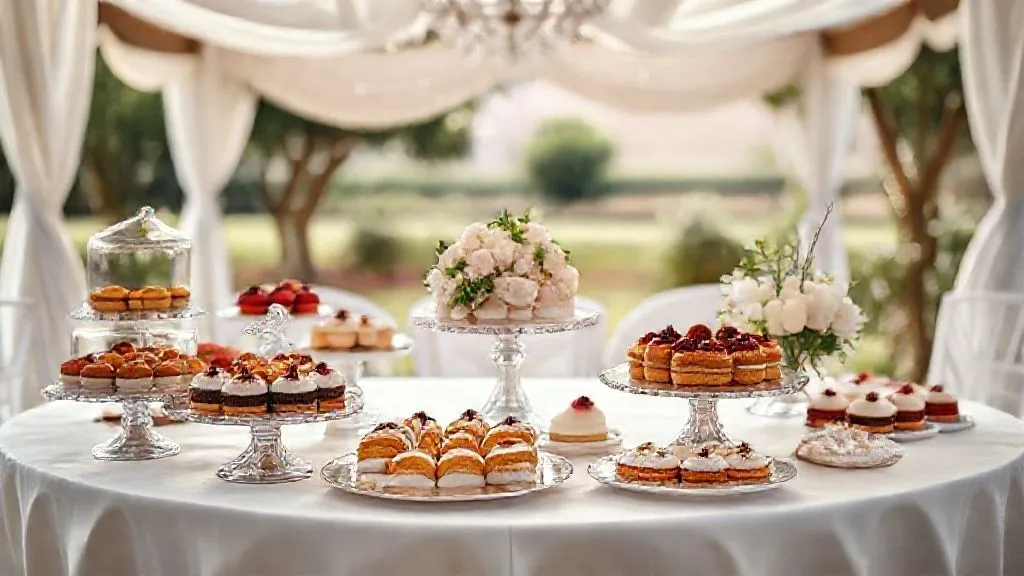
How to Prevent Wedding Dessert Table Melt in Extreme Heat?
For over 15 years in the bustling world of wedding catering and event planning, I've witnessed the sheer joy a beautifully curated dessert table brings to a celebration. It's often the grand finale, a sweet symphony designed to leave a lasting impression. But I've also seen the heartbreak – the moment when a meticulously crafted buttercream rose begins to weep, or a delicate chocolate ganache turns into a sad puddle. The culprit? Unforgiving extreme heat.
This isn't just about aesthetics; it's about preserving the integrity of your special day and the hard work of your chosen vendors. The dream of a picture-perfect dessert display can quickly turn into a sticky, unappetizing nightmare, leaving guests disappointed and couples stressed. It's a common, yet often underestimated, challenge, especially as outdoor weddings and destination celebrations in warmer climates become increasingly popular.
Today, I'm sharing my battle-tested strategies and insider secrets, honed through years of navigating sweltering summer days and tropical humidity. You'll learn not just what to do, but why, equipped with actionable frameworks and expert insights to ensure your wedding dessert table remains a magnificent, melt-free masterpiece, no matter how high the mercury climbs. Let's ensure your sweet dreams don't turn into a sticky reality and truly understand how to prevent wedding dessert table melt in extreme heat?
Understanding the Enemy: The Science of Heat and Desserts
Before we can conquer the heat, we must understand its impact. Desserts, by their very nature, are often delicate compositions of fats, sugars, and water, all of which react predictably to rising temperatures. It's not just about direct sunlight; ambient heat, humidity, and even the warmth radiating from surfaces can conspire against your sweet treats.
The Vulnerabilities of Classic Desserts
Consider a classic buttercream cake. Butter, its primary ingredient, has a relatively low melting point. At around 85-90°F (29-32°C), it begins to soften, causing frostings to lose their structure, sag, and eventually slide. Chocolates, especially those with lower cocoa butter content, are equally susceptible, turning shiny and then liquid as their crystalline structure breaks down. Mousses and custards, with their high water and dairy content, can separate, weep, or even spoil rapidly in warmth, posing not only an aesthetic problem but a food safety concern.
Even seemingly robust items like ganache-covered cakes can suffer. While ganache offers a bit more stability than pure buttercream, prolonged exposure to heat will still cause it to soften and lose its sharp edges. The crucial point here is that prevention is far easier than trying to salvage a melting dessert. Once the structural integrity is compromised, it's incredibly difficult, if not impossible, to fully restore its original beauty.
"In my experience, the biggest mistake couples make is underestimating the relentless power of ambient heat. It's a silent saboteur, working on your desserts even when they're not in direct sunlight. Always plan for the worst-case temperature scenario."
Strategic Location: Your First Line of Defense
The placement of your dessert table is paramount. It's the simplest yet most effective step in preventing melt. Think like a meteorologist scouting for shade and cool pockets, not just an event designer looking for a pretty spot. Direct sunlight is the ultimate enemy, but reflected heat from glass, metal, or light-colored surfaces can be just as damaging.
Optimal Placement Checklist
When scouting your venue, consider these points:
- Shade, Shade, Shade: Prioritize areas under natural tree cover, a permanent building overhang, or a robust tent. Ensure the shade will last throughout the entire duration the desserts are displayed, accounting for the sun's movement.
- Avoid Hot Surfaces: Steer clear of asphalt, concrete patios, or dark stone surfaces that absorb and radiate heat. Grass or cooler paving materials are preferable.
- Ventilation is Key: Choose an area with good airflow. Stagnant, hot air will cook your desserts even in the shade.
- Proximity to Cooling: If using a refrigerated holding area, position the dessert table as close as possible to minimize transit time in the heat.
- Indoor Backup: Always have an indoor backup location or a climate-controlled room as a contingency, especially for highly delicate items.
Even a slight shift of the table by a few feet can make a monumental difference. Don't be afraid to challenge conventional layouts if it means saving your sweets.

Climate Control & Cooling Solutions
When strategic placement isn't enough, it's time to bring in the reinforcements. Active and passive cooling solutions can create a microclimate around your dessert table, significantly extending the life and beauty of your treats. This is where a professional approach truly shines.
Active Cooling Measures
These require power and planning but are invaluable in extreme conditions:
- Portable Air Conditioners/Swamp Coolers: For enclosed tents or specific areas, small portable AC units or evaporative coolers can lower the ambient temperature. Position them discreetly to blow cool air towards the table without directly hitting the desserts, which can dry them out.
- High-Velocity Fans: Strategically placed fans (misting fans are even better if humidity isn't already extreme) can create a constant breeze, helping to dissipate heat and keep flying insects away. Ensure they are positioned to circulate air, not just blow directly onto the desserts.
- Hidden Dry Ice: For specific, highly sensitive items, dry ice can be placed in concealed containers (e.g., under a tiered stand or within a decorative box) beneath the table, allowing its cooling vapor to rise and create a cold zone. Exercise extreme caution, as dry ice requires proper handling and ventilation.
Passive Cooling Techniques
These are simpler but highly effective:
- Shade Structures: Beyond natural shade, consider elegant parasols, canopies, or even a small, dedicated tent over the dessert table. The material and color matter – lighter colors reflect more heat.
- Reflective Barriers: Use white tablecloths or light-colored display surfaces that reflect rather than absorb heat. Avoid dark, heat-absorbing materials.
- Chilled Servingware: Keep platters, cake stands, and serving dishes in a refrigerator or cooler until just before setup. A cold surface helps maintain the dessert's temperature from below.
According to environmental studies on heat island effect, reflective surfaces can significantly reduce surface temperatures, a principle directly applicable to our dessert tables. Investing in these cooling measures is a small price to pay for peace of mind and perfectly preserved desserts.
Dessert Selection: The Unsung Hero
The smartest way to combat heat is to choose desserts that are inherently more resilient. This isn't about sacrificing deliciousness but about making informed choices that align with your climate. I always advise my clients to consider their wedding's season and location when finalizing their sweet menu.
Heat-Resistant Heroes
These treats are your best friends in a warm climate:
- Macarons: Their meringue-based shells and ganache/buttercream fillings hold up remarkably well, especially if the filling is a stable ganache.
- Sugar Cookies & Decorated Biscuits: Royal icing is far more stable than buttercream, and the cookies themselves are robust.
- Fruit Tarts with Gelatin Glazes: The gelatin helps the fruit stay fresh and the glaze prevents drying and offers a protective layer. Custard fillings can be problematic if not kept cool.
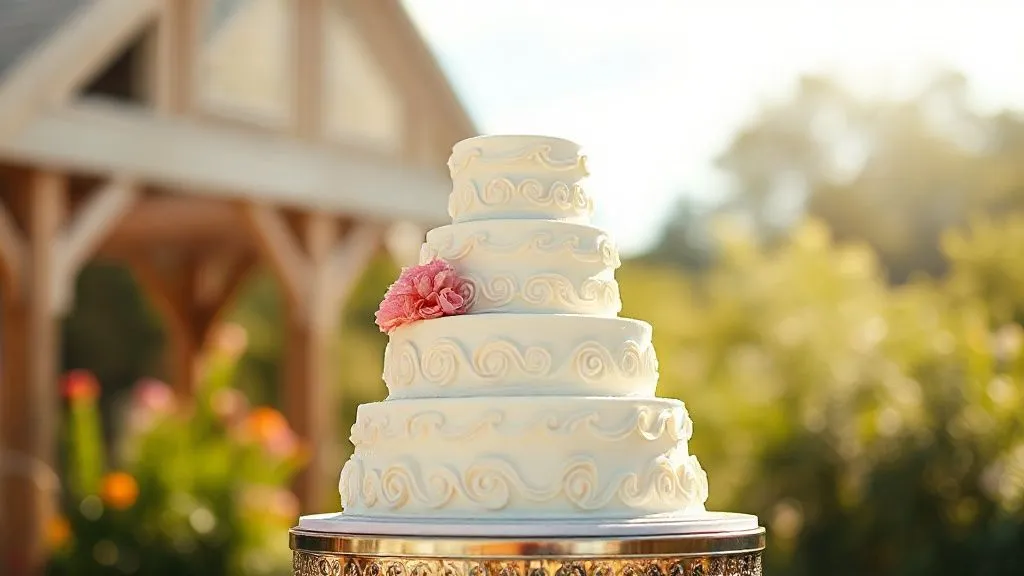
- Fondant-Covered Cakes: While less popular for taste than buttercream, fondant provides an excellent protective barrier against heat and humidity for the cake beneath.
- Cake Pops/Donuts: Glazed donuts or chocolate-dipped cake pops can withstand moderate heat better than frosted counterparts.
- Mini Cheesecakes (Baked): Baked cheesecakes are more stable than no-bake versions, especially if kept in mini portions for quick consumption.
Here’s a quick comparison of dessert stability:
| Dessert Type | Heat Stability | Humidity Resilience | Best for |
|---|---|---|---|
| Buttercream Cake | Low | Low | Cool, indoor events |
| Fondant Cake | Medium-High | Medium-High | Outdoor, warmer climates |
| Macarons | Medium | Medium | Versatile, with care |
| Sugar Cookies | High | High | Any climate |
| Mousse/Custard | Very Low | Very Low | Strictly climate-controlled |
| Fruit Tarts (Gelatin Glaze) | Medium | Medium | Outdoor, with shade |
Desserts to Approach with Caution
While delicious, these are high-risk in extreme heat:
- Whipped Cream-Based Desserts: These collapse and spoil rapidly.
- Mousse Cakes & Custard-Filled Pastries: Highly perishable and prone to weeping.
- Soft Buttercream Cakes (especially Swiss or Italian Meringue Buttercream): These are exquisite but incredibly delicate in warmth.
- Chocolate-Dipped Strawberries: The chocolate melts quickly, and the strawberries can sweat.
Professional Logistics & Timelines
Even the most heat-resistant desserts will succumb if not handled correctly. This is where meticulous planning and professional execution become non-negotiable. Timelines for delivery, setup, and display are critical components of how to prevent wedding dessert table melt in extreme heat?
Flawless Delivery & Setup
Work closely with your baker and caterer on a precise schedule:
- Refrigerated Transport: Ensure all delicate desserts are transported in refrigerated vehicles or well-insulated carriers with ice packs.
- Last-Minute Delivery: Schedule dessert delivery as close to the serving time as possible. Ideally, desserts should arrive no more than 1-2 hours before guests are expected to start eating them.
- Immediate Staging: Upon arrival, desserts should be immediately placed in a cool, shaded, or refrigerated holding area, not left in the sun while other setup tasks are completed.
- Quick Setup: The actual setup on the table should be swift and efficient. The less time desserts spend exposed, the better. Your catering team should be prepared for this.
As Forbes often emphasizes in event planning, flawless logistics are the backbone of a successful event. This holds especially true for temperature-sensitive elements.
The 'Just-In-Time' Principle
For the most delicate items, I advocate for a 'just-in-time' display. This means certain desserts, like a multi-tiered buttercream cake or individual mousses, are only brought out moments before they are meant to be served or cut. They can be held in a refrigerated prep area and swapped out with hardier items as the event progresses.
Case Study: The Garden Wedding Success Story
Acme Events, a renowned wedding planner, faced a daunting challenge: a client insisted on a lavish dessert table for their outdoor garden wedding in July, with predicted temperatures reaching 95°F (35°C). Instead of despairing, Acme implemented a multi-pronged strategy. They secured a large, sail-cloth tent specifically for the reception and dessert area, providing ample shade. They selected a menu heavy on macarons, sugar cookies, and mini fruit tarts with gelatin glazes, reserving a small, fondant-covered cutting cake for the main display. Crucially, all delicate items were delivered in refrigerated vans just 45 minutes before the dessert course was announced. High-velocity fans were discreetly placed to circulate air, and white tablecloths were used to reflect heat. The result? A stunning, melt-free dessert table that garnered rave reviews, proving that even in extreme heat, meticulous planning pays off.
Display Techniques & Protective Barriers
How you present your desserts can also play a crucial role in their survival. Beyond aesthetics, smart display techniques can offer an extra layer of protection against the elements.
Elevated & Covered Displays
- Cloches and Domes: Elegant glass cloches or acrylic domes can protect individual cakes or platters from direct heat, dust, and insects, creating a mini-environment.
- Tiered Stands with Airflow: While beautiful, ensure tiered stands allow for air circulation. Avoid solid, enclosed displays that can trap heat.
- Ice Baths (Discreetly Hidden): For items like mini parfaits or fruit cups, placing them in decorative bowls or trays nestled within larger bowls of ice can keep them perfectly chilled. The ice should be hidden with decorative elements like florals or fabric.
Insulated Serving & Presentation
Consider the materials of your serving dishes. Ceramic, marble, or slate can be chilled beforehand and retain coolness longer than glass or metal. Even a simple layer of parchment paper between a hot serving dish and a delicate dessert can offer a temporary buffer.
"A truly successful dessert table in the heat isn't just about the desserts themselves, but the entire ecosystem you create around them. Every detail, from the tablecloth to the cloche, contributes to its resilience."
The Vendor Partnership: Your A-Team
Your wedding vendors are your allies. A strong, communicative relationship with your baker, caterer, and planner is indispensable when tackling the challenge of extreme heat. They are the experts in their fields and can offer invaluable insights and solutions.
Vetting Your Baker & Caterer
When interviewing potential vendors, ask specific questions about their experience with hot weather events:
- "What are your standard protocols for transporting and setting up desserts in temperatures above 85°F (29°C)?"
- "Do you have specific recommendations for heat-resistant dessert options?"
- "Can you provide refrigerated transport or on-site cooling solutions?"
- "What's your contingency plan if a dessert starts to melt?"
- "Do you have a dedicated staff member responsible for monitoring the dessert table during the event?"
A reputable vendor will have clear, confident answers and proven strategies. If they seem dismissive of your concerns, it’s a red flag. As Harvard Business Review highlights, trust is built through reliability and competence, especially under pressure.
Clear Communication is Key
Be explicit about your venue conditions, expected temperatures, and your desire for a melt-free display. Share photos of the intended dessert table location. The more information your vendors have, the better equipped they will be to plan and execute. Don't assume they know; communicate proactively.
Emergency Preparedness & Backup Plans
Even with the best planning, unforeseen circumstances can arise. A sudden heatwave, a malfunctioning fan, or an unexpected gust of wind can all threaten your dessert display. Having a backup plan is not a sign of pessimism; it's a sign of a seasoned planner.
The 'What If' Scenario
Discuss these contingencies with your planner and caterer:
- Reserve a Cooler: Have a large, high-quality cooler filled with ice packs or dry ice on standby, out of sight, for emergency storage.
- Swap-Out Strategy: If certain items are melting, can they be discreetly removed and replaced with hardier, pre-chilled alternatives from the kitchen?
- Portion Control: Consider displaying only a portion of your desserts at a time, keeping the rest chilled and replenishing as needed. This reduces the exposure time for each item.
- Emergency Decor: Have some extra decorative elements (like fresh fruit that can be quickly added, or non-perishable decorative items) to mask any minor imperfections if a dessert begins to look tired.
Remember, the goal is to enjoy your day without constant worry. A solid backup plan allows you to do just that, knowing that you have solutions in place. This foresight is crucial for how to prevent wedding dessert table melt in extreme heat? effectively.
Post-Event Handling & Storage
Once the celebration winds down, proper handling of any leftover desserts is important, especially if you plan to enjoy them later. Heat exposure can shorten shelf life significantly.
Ensure your catering team or a designated family member is instructed to promptly remove any remaining desserts from the table once serving is complete. They should be immediately transferred to airtight containers and refrigerated. Even heat-resistant items will degrade faster if left out.
| Dessert Type | Initial Condition | Storage Method | Estimated Shelf Life (Post-Event) |
|---|---|---|---|
| Cake (Buttercream) | Exposed to heat | Airtight container, Refrigerate | 1-2 days |
| Cake (Fondant) | Exposed to heat | Airtight container, Refrigerate | 2-3 days |
| Macarons | Exposed to heat | Airtight container, Refrigerate | 3-5 days |
| Sugar Cookies | Exposed to heat | Airtight container, Room Temp/Refrigerate | 5-7 days |
| Fruit Tarts | Exposed to heat | Airtight container, Refrigerate | 1 day |
Frequently Asked Questions (FAQ)
Q: What's the absolute maximum temperature a buttercream cake can withstand? A: While it varies by buttercream type (American buttercream is generally hardier than Swiss or Italian meringue buttercream), I've seen issues begin as low as 75°F (24°C) with prolonged exposure. Above 80°F (27°C) for more than an hour or two, you're really pushing your luck without significant cooling interventions. For extreme heat, consider fondant or a different dessert type entirely.
Q: Can I use artificial desserts for display and real ones for serving? A: Yes, this is a brilliant strategy for highly delicate centerpieces like a multi-tiered wedding cake. A dummy cake (often styrofoam covered in fondant or even faux buttercream) can be displayed throughout the event, while the actual cake portions are kept chilled in the kitchen and brought out for serving. This ensures your photos are perfect, and your guests get fresh, delicious cake.
Q: How does humidity factor into dessert melting, separate from high temperatures? A: Humidity is a huge factor! It can cause sugar decorations to weep, fondant to become sticky, and meringues to soften and collapse. Even if the temperature isn't scorching, high humidity can ruin the texture and appearance of many desserts. This is why good airflow and, if possible, dehumidification (like from an AC unit) are crucial, especially for outdoor events.
Q: Are there any specific ingredients that make a dessert more heat-resistant? A: Generally, desserts with a higher proportion of cocoa butter (in dark chocolate), gelatin (in mousses/glazes), or those that are meringue-based (like macarons, pavlova) tend to be more stable. Desserts with less dairy fat, or those that are naturally drier (like cookies), also fare better. Bakers can also use stabilizers in their recipes, so always discuss this with your chosen professional.
Q: What's the most common mistake couples make when planning a dessert table in warm weather? A: Hands down, it's underestimating the heat's cumulative effect and not communicating clearly with their vendors. Many assume 'a little shade' is enough, or they don't discuss their concerns about heat with their baker until it's too late. Proactive communication and a willingness to adapt the dessert selection are your strongest tools.
Key Takeaways and Final Thoughts
Navigating the challenges of a wedding dessert table in extreme heat doesn't have to be a source of stress. With the right knowledge, strategic planning, and a proactive approach, you can ensure your sweet ending is nothing short of spectacular. Here are the critical takeaways to remember:
- Location, Location, Location: Prioritize deep shade and good airflow for your dessert display.
- Cooling is Crucial: Don't shy away from active (fans, AC) or passive (shade structures, reflective surfaces) cooling methods.
- Smart Dessert Choices: Lean into heat-resistant options and be realistic about delicate items.
- Logistics are Paramount: Coordinate 'just-in-time' delivery and swift setup with your vendors.
- Partner Wisely: Choose experienced vendors and maintain open, clear communication about your concerns.
- Plan for the Unexpected: Always have a backup plan for those 'what if' moments.
Your wedding day is a celebration of love, and every detail, including your dessert table, should contribute to that joy. By applying these expert strategies, you're not just preventing melt; you're investing in peace of mind and ensuring a truly memorable, deliciously perfect conclusion to your special day. Go forth, plan confidently, and enjoy every sweet moment!
Recommended Reading
- Unlock the Secret: How to Find the Best Affordable Urban Loft Wedding Venues?
- 7 Proven Steps: Manage Client Expectations for Custom Gemstone Rings
- Waterfront Wedding Venues: 7 Major Liability Risks You Must Address
- Bride Hates Processional Songs? 7 Expert Strategies to Find Her Perfect Walk-In Tune
- Modest, Modern, & Magnificent: 7 Keys to Bridal Style with Coverage

Comments
Leave a comment below. Your email will not be published. Required fields marked with *