


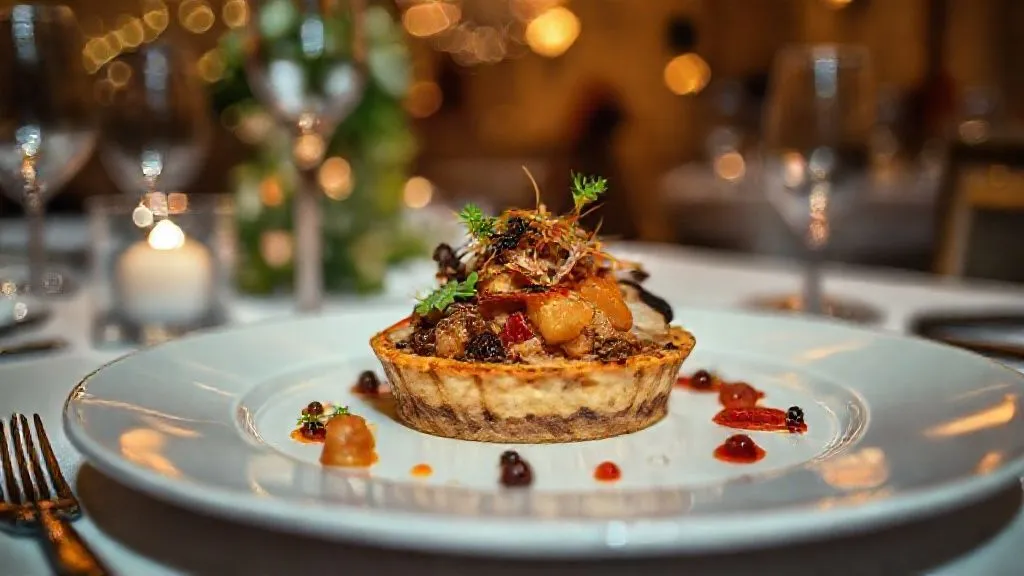
How to Create Gourmet Vegetarian Wedding Options Beyond Basic Pasta?
For over 15 years in the wedding catering industry, I've witnessed a beautiful evolution in how couples approach their special day. Yet, one persistent challenge frequently surfaces: the dreaded "basic pasta" dilemma for vegetarian guests. It’s a common oversight, often unintentional, but it can leave a significant portion of your guests feeling like an afterthought, served a dish that feels more like a concession than a celebration.
The pain point is palpable. Couples dream of a wedding menu that delights every palate, reflects their taste, and leaves a lasting impression. However, when it comes to vegetarian options, many caterers default to uninspired, heavy, or overly simple dishes. This isn't just about dietary restrictions; it's about culinary respect and ensuring every guest feels truly included in the gastronomic joy of your big day. The desire for elegance, sophistication, and genuine flavor often gets lost amidst a sea of mushroom risottos and plain penne.
But fear not! I'm here to share a comprehensive framework that will empower you to move far beyond the predictable. This guide will provide actionable strategies, innovative ideas, and expert insights on how to create gourmet vegetarian wedding options beyond basic pasta, transforming your plant-based offerings into show-stopping culinary experiences that rival, or even surpass, their meat-centric counterparts. We’ll explore everything from ingredient selection to plating, ensuring your vegetarian guests enjoy a truly memorable feast.
The Core Problem: Beyond the Predictable Pasta
The "basic pasta" trope isn't just a stereotype; it's a symptom of a deeper issue within wedding catering: a lack of imaginative focus on plant-based cuisine. Many menus are still designed with meat as the centerpiece, relegating vegetarian dishes to a secondary, often uninspired, role. This approach not only underestimates the sophistication of modern plant-based cooking but also alienates a growing demographic of guests who are vegetarian, vegan, or simply choose to eat less meat.
The consequences of offering uninspired vegetarian options extend beyond mere disappointment. A bland dish can make guests feel undervalued, diminishing their overall wedding experience. It can also reflect poorly on the couple's attention to detail and hospitality. As I've often advised my clients, a wedding meal is a significant part of the guest experience, and every dish should contribute to the celebratory atmosphere, not detract from it. The goal is to create a menu where every plate, regardless of dietary preference, feels thoughtfully crafted and utterly delicious.
To truly elevate your wedding menu, you must first acknowledge that vegetarian cuisine is not a compromise; it is an opportunity for culinary artistry. It requires a different mindset, one that embraces the versatility and richness of plant-based ingredients. We need to move away from the idea of "substitute" dishes and instead conceptualize unique, standalone creations that celebrate vegetables, grains, legumes, and fungi in their own right. This shift in perspective is the first critical step in understanding how to create gourmet vegetarian wedding options beyond basic pasta that truly stand out.

Shifting the Paradigm: A Philosophy of Plant-Forward Culinary Excellence
To truly excel in vegetarian wedding catering, you need to adopt a plant-forward philosophy. This means designing dishes where plants are the stars, not just sidekicks. It's about celebrating the inherent textures, colors, and flavors of vegetables, grains, and legumes, rather than trying to mimic meat dishes or relying on heavy sauces to mask simple ingredients. This approach aligns perfectly with modern culinary trends and guest expectations.
In my experience, the most memorable vegetarian dishes are those that showcase creativity and respect for the ingredients. Think beyond the usual suspects. Instead of a bland vegetable medley, imagine a roasted root vegetable terrine with layers of vibrant colors and earthy flavors. Rather than a simple baked potato, consider a twice-baked sweet potato soufflé with candied pecans and sage. These are dishes that command attention and demonstrate genuine culinary skill.
Embracing the 'Umami' Factor in Plant-Based Cooking
One key aspect of achieving gourmet status in vegetarian cuisine is mastering umami. This savory fifth taste is often associated with meat, but it's abundant in many plant-based ingredients.
- Mushrooms: Particularly shiitake, porcini, and cremini, offer a deep, earthy umami. Roasting or sautéing them intensifies their flavor.
- Tomatoes: Sun-dried tomatoes are an umami powerhouse. Slow-roasted fresh tomatoes also develop incredible depth.
- Seaweed: A fundamental umami source in Japanese cuisine. Consider subtle uses in broths or as a seasoning.
- Fermented Foods: Miso paste, soy sauce, and even aged cheeses (if not strictly vegan) provide complex savory notes.
- Root Vegetables: Roasting carrots, parsnips, and celeriac caramelizes their natural sugars and deepens their savory profile.
By thoughtfully incorporating these elements, you can create vegetarian dishes that are incredibly satisfying and leave guests wanting more. This proactive approach is essential for how to create gourmet vegetarian wedding options beyond basic pasta that truly stand out.
"The best vegetarian dishes don't apologize for being meat-free; they celebrate the abundance and diversity of the plant kingdom with creativity and confidence." - Industry Expert Insight
Ingredient Intelligence: Sourcing for Superiority
The foundation of any gourmet dish, vegetarian or otherwise, lies in the quality of its ingredients. For plant-based wedding options, this is even more critical. Fresh, seasonal, and locally sourced produce will always taste superior and contribute to a more vibrant, flavorful dish. As a seasoned professional, I've always emphasized the 'farm-to-table' approach, not just as a trend, but as a commitment to excellence.
Prioritizing Peak Season Produce
Working with seasonal ingredients means your vegetables are harvested at their prime, bursting with natural flavor and nutrients. This reduces the need for heavy seasonings or elaborate preparations, allowing the inherent goodness of the produce to shine.
- Spring: Asparagus, peas, new potatoes, radishes.
- Summer: Heirloom tomatoes, corn, zucchini, berries, bell peppers.
- Autumn: Squashes, root vegetables, mushrooms, apples, pears.
- Winter: Hearty greens, leeks, citrus, cruciferous vegetables.
Collaborate with your caterer to design a menu that reflects the season of your wedding. This not only ensures peak flavor but also often supports local farmers, adding a layer of authenticity and sustainability to your event.
Beyond fresh produce, consider the quality of your grains, legumes, nuts, and seeds. Opt for heritage grains like farro or black rice, which offer unique textures and nutty flavors. Source artisanal cheeses (if dairy is included) or high-quality plant-based alternatives. According to a Forbes article on plant-based trends, consumers are increasingly seeking out high-quality, innovative plant-based products, a trend that certainly extends to wedding menus.

Technique Triumphs: Elevating Textures and Flavors
Even the finest ingredients can fall flat without expert culinary techniques. This is where a talented chef truly shines, transforming simple vegetables into gourmet masterpieces. The key is to employ a variety of cooking methods that enhance, rather than diminish, the natural qualities of each component. This is how we truly answer the question of how to create gourmet vegetarian wedding options beyond basic pasta.
Mastering Diverse Cooking Methods
- Roasting: Caramelizes natural sugars, deepening flavors and creating a tender-crisp texture. Think roasted Brussels sprouts with balsamic glaze or root vegetables with herbs.
- Grilling/Charring: Imparts a smoky flavor and beautiful grill marks. Grilled asparagus, eggplant, or halloumi (if dairy is an option) are excellent.
- Braising/Confit: Slow cooking in liquid or fat tenderizes tougher vegetables and infuses them with rich flavors. Braised leeks or mushroom confit can be incredibly luxurious.
- Sautéing/Pan-Seating: Quick cooking at high heat to achieve a beautiful sear and retain crispness. Perfect for delicate greens or thinly sliced vegetables.
- Fermenting/Pickling: Adds a tangy, complex dimension and can transform the texture of vegetables. Quick-pickled onions or fermented carrots can cut through richness.
- Sous Vide: For precision cooking, especially with denser vegetables like carrots or celeriac, ensuring perfect tenderness and infusion of flavors.
By combining these techniques within a single dish, or across different dishes on the menu, you create a dynamic and engaging culinary experience. For example, a main course might feature roasted butternut squash, alongside grilled portobello mushrooms, served with a vibrant fresh herb pesto.
Case Study: 'The Garden Symphony' at the Everwood Estate Wedding
The Everwood Estate, a popular wedding venue, faced recurring feedback about their vegetarian options: "tasty but uninspired." Their standard offering was a vegetable lasagna. Working with their culinary team, I proposed a complete overhaul using diverse techniques. We introduced 'The Garden Symphony,' a dish featuring pan-seared king oyster mushroom scallops, alongside sous-vide asparagus spears, a charred corn purée, and a delicate sun-dried tomato and basil oil. This dish was a revelation. Guest feedback was overwhelmingly positive, with many non-vegetarians opting for it. The wedding coordinator reported a significant increase in client satisfaction regarding the menu diversity, demonstrating that technique-driven plant-based dishes can elevate the entire dining experience.
| Technique | Benefit | Example |
|---|---|---|
| Roasting | Caramelization, Depth of Flavor | Maple-Glazed Root Vegetables |
| Grilling | Smoky Flavor, Charred Texture | Grilled Halloumi Skewers |
| Braising | Tenderization, Flavor Infusion | Braised Artichoke Hearts |
| Sautéing | Quick Sear, Crispness | Wild Mushroom Sauté |
Global Inspirations: A World of Vegetarian Delights
To truly break free from the pasta paradigm, look to global cuisines that have long celebrated vegetables as central to their culinary identity. Many cultures offer a rich tapestry of plant-based dishes that are inherently gourmet, flavorful, and unique. This global perspective is crucial for understanding how to create gourmet vegetarian wedding options beyond basic pasta that surprise and delight.
Exploring International Flavors
- Mediterranean: Think vibrant mezze platters with baba ghanoush, dolmades, spanakopita (spinach pie), and hearty lentil salads. The emphasis on fresh herbs, olive oil, and lemon creates bright, satisfying flavors.
- Indian: A treasure trove of vegetarian dishes. Consider rich curries like palak paneer (spinach and cheese) or chana masala (chickpea curry), served with fragrant basmati rice and fresh naan. The use of spices is unparalleled.
- East Asian (Japanese, Korean, Thai): Offers delicate and robust options. From elegant sushi rolls with innovative vegetable fillings to spicy Korean bibimbap bowls or aromatic Thai green curries with tofu and fresh vegetables, the possibilities are vast.
- South American: Explore vibrant ceviches made with hearts of palm or mushrooms, black bean and corn salads, or sophisticated quinoa-stuffed peppers. The use of chilies, lime, and cilantro adds a zesty kick.
- Modern European: Beyond traditional pasta, consider French ratatouille tarts, German spaetzle with roasted vegetables, or elegant British-inspired vegetable wellingtons.
By drawing inspiration from these diverse culinary traditions, you can craft a wedding menu that offers an exciting journey for the palate. Imagine a starter of deconstructed samosas, followed by a main course inspired by a Moroccan vegetable tagine, and a dessert that ties back to local flavors. This fusion approach can be incredibly sophisticated and memorable.
"Food is a universal language. When designing a wedding menu, let it speak volumes about your taste and hospitality by embracing the world's diverse vegetarian culinary heritage." - Culinary Mentor's Wisdom
Crafting the Experience: Plating, Pairings, and Presentation
Gourmet food isn't just about taste; it's a multi-sensory experience. Plating, thoughtful beverage pairings, and the overall presentation of the dish play a pivotal role in elevating vegetarian options from simple to spectacular. This is where the artistry of the chef truly comes to life, turning a plate of food into a visual and gustatory delight, answering the question of how to create gourmet vegetarian wedding options beyond basic pasta in a truly holistic way.
The Art of Plating
- Color and Contrast: Use a variety of colorful vegetables and garnishes to make the plate visually appealing. A vibrant green pesto against a golden roasted squash, or deep red beet puree with white goat cheese.
- Height and Texture: Build dishes with varying heights to create visual interest. A crispy element (fried sage, toasted nuts) next to something smooth (purée) or tender (braised vegetable).
- Negative Space: Don't overcrowd the plate. Allow elements to breathe and be appreciated individually.
- Garnishes: Fresh herbs, edible flowers, a drizzle of flavored oil, or a sprinkle of microgreens can add elegance and a final touch of flavor.
- Cleanliness: A spotless plate is paramount. Ensure no smudges or drips detract from the presentation.
A beautifully plated dish signals care and attention to detail, making the dining experience feel more luxurious. As Harvard Business Review notes about design thinking, aesthetics play a crucial role in perceived value and satisfaction.
Thoughtful Beverage Pairings
Don't forget to pair your gourmet vegetarian dishes with appropriate wines, craft beers, or non-alcoholic options. A crisp Sauvignon Blanc might complement a fresh vegetable tart, while a robust Pinot Noir could pair well with a mushroom Wellington. For non-alcoholic options, consider artisanal sparkling teas, infused waters, or sophisticated mocktails that mirror the complexity of your food.
Creative Serving Styles
Beyond individual plates, consider unique serving styles that enhance the gourmet feel.
- Deconstructed Dishes: Present components of a classic dish in an artistic, separate manner.
- Interactive Stations: A gourmet polenta bar with various toppings (roasted vegetables, wild mushroom ragu, truffle oil) or a build-your-own grain bowl station.
- Small Plates/Tapas: Offer a selection of exquisitely prepared small vegetarian dishes for a cocktail-style reception, allowing guests to sample a wider range of flavors.
These approaches not only elevate the culinary offering but also create a more engaging and memorable experience for your guests.
Navigating Dietary Nuances: Vegan, Gluten-Free, and Allergies
In today’s diverse culinary landscape, simply offering a "vegetarian" option is often not enough. Many guests have additional dietary restrictions such as veganism, gluten intolerance, or severe allergies. An experienced caterer will understand these nuances and design dishes that can accommodate multiple needs without sacrificing flavor or elegance. This foresight is key to ensuring truly inclusive and gourmet vegetarian wedding options beyond basic pasta.
Designing Inclusive Dishes
The best approach is to design dishes that are inherently vegan and gluten-free, or that can be easily adapted without significant alteration.
- Naturally Vegan: Many grain bowls, roasted vegetable dishes, and vibrant salads are naturally vegan. Focus on plant-based proteins like lentils, chickpeas, tofu, tempeh, or substantial mushrooms.
- Gluten-Free Grains: Opt for quinoa, rice, polenta, millet, or gluten-free pasta alternatives instead of wheat-based options.
- Dairy Alternatives: Utilize cashew creams, coconut milk, or nutritional yeast for creamy textures and cheesy flavors in vegan dishes.
- Nut-Free Options: Be mindful of nut allergies. Use seeds (sunflower, pumpkin) or legumes as alternatives for texture and protein.
Always communicate clearly with your caterer about all known dietary restrictions well in advance. A detailed conversation ensures that cross-contamination is avoided and that every guest feels safe and catered for. Reputable caterers will have robust protocols for handling allergies and special diets, as highlighted by Food Allergy Research & Education (FARE) guidelines.
Labeling and Communication on the Day
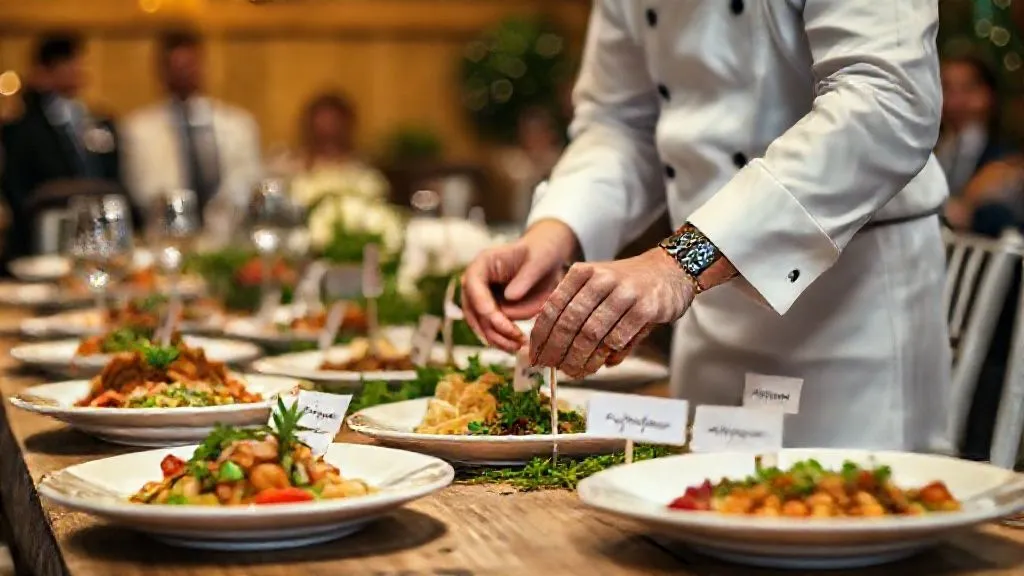
On the wedding day, clear labeling of dishes at a buffet or station is crucial. For plated meals, servers should be informed of who receives which special meal. A small, elegant card at each place setting indicating "Vegan & Gluten-Free" can be a thoughtful touch, making guests feel acknowledged and cared for. Remember, the goal is to make every guest feel special, not singled out.Collaborating with Your Caterer: A Partnership for Perfection
Your caterer is your most valuable ally in creating gourmet vegetarian wedding options beyond basic pasta. A truly experienced and creative catering team won't see vegetarian requirements as a limitation but as an exciting culinary challenge. Establishing a strong, collaborative partnership from the outset is essential for success.
Key Steps for Effective Collaboration
- Early & Clear Communication: From your very first meeting, express your desire for innovative, gourmet vegetarian options. Share your vision, inspirations (e.g., global cuisines, specific ingredients), and any dietary restrictions you anticipate.
- Review Their Portfolio: Ask for examples of their past vegetarian and vegan menus. Look for creativity, diverse techniques, and positive testimonials specifically related to their plant-based offerings.
- Tasting Session: This is non-negotiable. Insist on tasting the proposed vegetarian dishes. Provide honest feedback. A good caterer will be open to adjustments and further experimentation.
- Budget Transparency: Discuss how gourmet vegetarian options might impact your budget. Sometimes, high-quality, seasonal vegetables can be more cost-effective than premium cuts of meat, but specialized ingredients or complex preparations might add to the cost. Be prepared for an open discussion.
- Trust Their Expertise (but verify): While you should trust your caterer’s professional judgment, don't be afraid to ask questions or suggest ideas. A true partner will appreciate your engagement.
I've seen countless successful menus emerge from this kind of open dialogue. For instance, one couple, passionate about sustainable dining, worked with their caterer to source every single vegetable for their gourmet vegan main course from within a 50-mile radius, creating a truly unique and meaningful dish. This level of partnership transforms a meal into a storytelling element of the wedding.
"Your caterer is not just a food provider; they are a culinary artist. Empower them with your vision and trust their craft to deliver a masterpiece." - Expert Advice for Wedding Planning
By investing time in this collaborative process, you ensure that your wedding menu, especially its vegetarian components, is a true reflection of your taste and commitment to hospitality. It moves beyond a mere meal to become an integral part of your wedding's narrative, a delicious testament to your thoughtful planning and desire to impress every single guest.
Frequently Asked Questions (FAQ)
Q: Is it more expensive to offer gourmet vegetarian options compared to traditional meat dishes? A: Not necessarily. While some specialty plant-based ingredients or very intricate preparations can add cost, high-quality seasonal vegetables and grains are often more budget-friendly than premium cuts of meat or seafood. The overall cost depends heavily on the specific ingredients, complexity of preparation, and the caterer's pricing structure. Often, a well-designed gourmet vegetarian dish can be cost-neutral or even slightly reduce overall food costs, especially if it replaces a more expensive meat option. It's crucial to discuss this openly with your caterer during the menu planning phase.
Q: How can I ensure non-vegetarian guests will also enjoy the plant-based options? A: The key is to make the vegetarian dishes so appealing and delicious that they transcend dietary categories. Focus on bold flavors, interesting textures, and beautiful presentation. Many non-vegetarians are increasingly open to plant-based meals, especially when they are presented as gourmet culinary experiences rather than 'alternative' options. Offering a diverse menu where all dishes are equally celebrated will encourage guests to try everything. A mini case study earlier demonstrated this success with 'The Garden Symphony' dish.
Q: What are some common pitfalls to avoid when planning gourmet vegetarian wedding menus? A: The biggest pitfall is a lack of imagination, leading to bland, predictable dishes (e.g., basic pasta, dry vegetable stacks). Other traps include overlooking dietary complexities (vegan, gluten-free, allergies), failing to prioritize ingredient quality, and insufficient communication with your caterer. Also, avoid dishes that are too heavy or too light; aim for balance and substance. Ensure the vegetarian option feels substantial and satisfying, not like a side dish.
Q: Can I have a completely vegetarian or vegan wedding menu, even if most guests aren't vegetarian? A: Absolutely! Many couples are choosing fully plant-based menus to align with their values or simply to showcase innovative cuisine. The success of such a menu relies entirely on the gourmet quality and diverse appeal of the dishes. If the food is exceptional, guests will be delighted regardless of their usual dietary habits. Transparent communication with guests beforehand can also manage expectations and build excitement. This is a bold and increasingly popular choice, reflecting a broader societal shift towards conscious eating.
Q: How far in advance should I start planning my vegetarian wedding menu with my caterer? A: It's advisable to start discussing your menu, including specific vegetarian requirements and gourmet aspirations, as soon as you book your caterer – typically 9-12 months before the wedding. This gives ample time for menu development, sourcing specialty ingredients, multiple tasting sessions, and refining dishes. For highly customized or innovative plant-based menus, more lead time is always better to ensure perfection.
Key Takeaways and Final Thoughts
Creating gourmet vegetarian wedding options beyond basic pasta is not just about accommodating dietary needs; it's about elevating your entire wedding experience. It's a testament to your hospitality, your taste, and your commitment to providing a memorable celebration for every single guest. By embracing a plant-forward philosophy, prioritizing exceptional ingredients, and leveraging creative culinary techniques, you can transform your vegetarian offerings into true culinary highlights.
- Shift Your Mindset: View vegetarian cuisine as an opportunity for innovation, not a limitation.
- Source Smart: Focus on fresh, seasonal, and high-quality ingredients.
- Master Techniques: Employ diverse cooking methods to enhance flavors and textures.
- Go Global: Draw inspiration from world cuisines rich in plant-based traditions.
- Present with Panache: Elevate the dining experience through artful plating and thoughtful pairings.
- Communicate Clearly: Work closely with your caterer, expressing your vision and needs.
- Be Inclusive: Design dishes that gracefully accommodate various dietary restrictions.
As you embark on this exciting journey to craft your wedding menu, remember that the most successful events are those where every detail, especially the food, reflects genuine care and creativity. Don't settle for the predictable. Dare to be different, to be delicious, and to truly impress every palate. Your wedding day is a celebration of love, and what better way to express that love than through an unforgettable feast that nourishes body and soul, for everyone.
Recommended Reading
- 7 Proven Ways to Pick Themed Wedding Favors Guests Actually Want
- Luxury Nuptials: 7 Elegant Ways to Ask for Cash Gifts
- 7 Proven Strategies: Master Custom Wedding Stationery Revisions
- Mastering Complex RSVP Wording: 5 Steps to Guide Wedding Clients
- Rain Ruining Your Big Day? How to Stop Wedding Lights Shorting




Comments
Leave a comment below. Your email will not be published. Required fields marked with *