


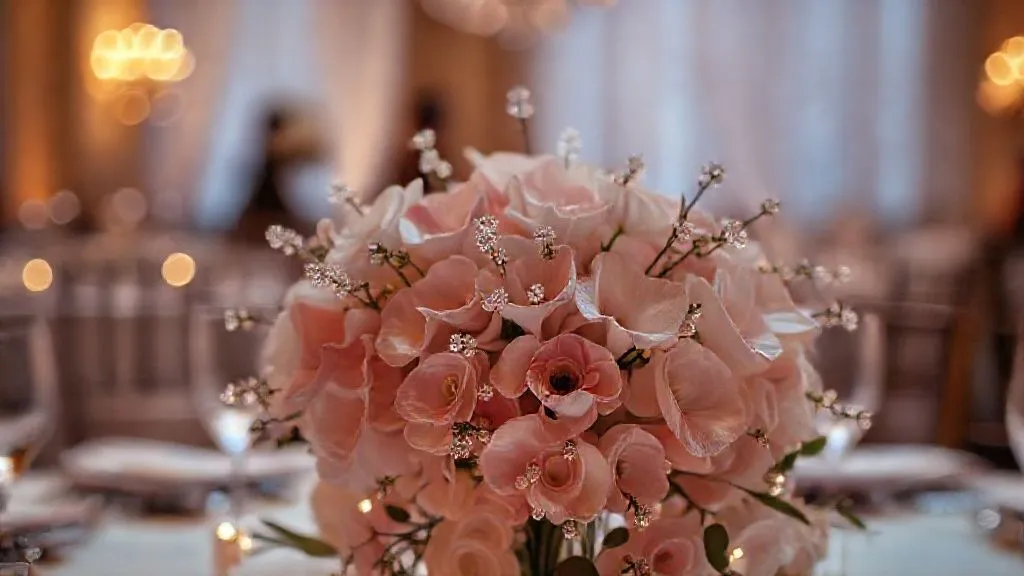
How Can Wedding Pros Elevate DIY Decor to Luxury Standards?
For over 15 years in the wedding decor industry, I've witnessed a fascinating evolution. What once began as humble, often rustic, DIY efforts by couples looking to save a few dollars has blossomed into a sophisticated niche. Many wedding professionals, however, still grapple with a fundamental challenge: how to take these inherently personal, often budget-driven, DIY elements and seamlessly integrate them into a truly luxurious, high-end wedding experience?
The problem isn't the 'DIY' part itself; it's the perception and execution. Clients want unique touches, but they also demand impeccable quality and a cohesive aesthetic. The fear for many pros is that embracing DIY will dilute their luxury brand, leading to a 'craft fair' vibe rather than a 'couture' one. This tension can lead to missed opportunities for personalization and a struggle to meet bespoke client demands within realistic budgets.
In this definitive guide, I will share the actionable frameworks, expert insights, and real-world strategies I've honed over years to bridge this gap. You'll learn not just how to incorporate DIY, but how wedding pros can elevate DIY decor to luxury standards, transforming ordinary into extraordinary, and delivering truly unforgettable, high-end events that stand out in a crowded market.
Mastering the Art of Material Selection: Quality Over Quantity
The foundation of any luxury decor, whether DIY or professionally sourced, lies in its materials. In my experience, the single biggest differentiator between a 'crafty' look and a 'couture' finish is the quality of the raw materials. You can have the best design idea, but if your fabric is cheap polyester or your faux flowers look plastic, the illusion of luxury shatters instantly.
When considering how wedding pros can elevate DIY decor to luxury standards, it starts with a critical eye for sourcing. Think about the sensory experience: how does it look, feel, and even smell? High-quality materials inherently carry a certain weight, texture, and sheen that elevate the entire piece. I always advise my mentees to invest more in fewer, superior items rather than many mediocre ones.
- Prioritize Natural & High-Grade Synthetics: Opt for real wood, metal, glass, and ceramics whenever possible. For fabrics, choose silk, linen, velvet, or high-count cotton. If using synthetics, ensure they are premium grades designed to mimic natural textures, like high-quality faux silk or realistic artificial botanicals.
- Focus on Weight and Hand-Feel: Luxury items often feel substantial. A heavier vase, a thicker cardstock, or a dense fabric instantly communicates quality. Avoid flimsy or thin materials that buckle or tear easily.
- Scrutinize Finishes: Examine paint finishes for streaks, glitter application for excessive shedding, and metallic elements for an authentic luster rather than a cheap, shiny look. A matte finish often appears more sophisticated than high-gloss for many decor elements.
- Test for Durability: Especially for items that guests might interact with, ensure your DIY creations can withstand light handling without falling apart or showing wear. This speaks volumes about the overall professionalism.

Strategic Color Palettes and Textural Layering for Sophistication
Beyond individual material quality, the interplay of colors and textures is paramount in defining a luxury aesthetic. A common DIY mistake is using too many disparate colors or textures, creating a chaotic rather than cohesive look. Luxury decor, even when DIY, thrives on intentionality and harmony.
I always guide my clients to select a refined color palette, typically with 2-3 primary colors and 1-2 accent metallics or neutrals. The key is subtlety and depth. Instead of bright, primary colors, lean towards muted, sophisticated shades – dusty blues, sage greens, champagne, rose gold, or deep charcoals. These hues naturally convey elegance and understated opulence.
Key Insight: "Luxury isn't about shouting; it's about whispering with confidence. A sophisticated color palette and thoughtful textural layering create that whisper, inviting guests to appreciate the depth and detail of your design."
Textural layering adds visual interest and richness without overwhelming the eye. Combine smooth glass with rough linen, soft velvet with hard metal, or delicate lace with sturdy wood. This contrast creates a dynamic visual experience that feels curated and expensive. Consider elements like: velvet ribbons on bouquets, linen runners on tables, metallic chargers under plates, or intricate laser-cut details on stationery. Each layer contributes to a richer, more complex sensory profile.
| Color Palette Strategy | Characteristics | Impact on Luxury |
|---|---|---|
| Budget DIY | Bright, primary colors; often mismatched; lacks depth. | Can appear childish or unrefined; detracts from high-end feel. |
| Elevated DIY | Muted, sophisticated tones; 2-3 main colors with neutrals/metallics; harmonious. | Creates a sense of calm elegance; cohesive and intentional. |
| Budget DIY | Single texture or jarring contrasts; synthetic materials. | Flat, uninteresting; can feel cheap. |
| Elevated DIY | Thoughtful mix of smooth, rough, soft, hard; natural and premium synthetic materials. | Rich, tactile, visually engaging; adds depth and perceived value. |
The Power of Professional Finishing Techniques
This is where the 'pro' in wedding pro truly shines when it comes to DIY. The difference between a well-intentioned craft project and a luxury decor piece often comes down to the finishing. Imperfect seams, visible glue, uneven paint, or poorly secured elements instantly betray a DIY origin and diminish perceived value. Professional finishing is about meticulous attention to detail.
I've seen countless beautiful concepts fall flat because of a rushed or amateur finish. Investing time in perfecting these details transforms an item. For example, a hand-painted sign can go from looking homemade to bespoke art with crisp lines, smooth edges, and a protective sealant. This isn't just about aesthetics; it's about durability and presenting a polished final product that reflects your brand's commitment to excellence.
- Seamless Adhesion: Use industrial-strength, clear adhesives applied sparingly and precisely. Hide all glue lines, tape, or staples.
- Flawless Painting & Staining: Apply multiple thin coats, sand between layers for smoothness, and use professional-grade paints or stains. Ensure even coverage and crisp edges, especially on stenciled or painted designs.
- Clean Edges & Hems: For fabrics, neat, invisible hems are crucial. For paper or wood, precisely cut edges and gentle sanding to remove splinters or burrs are non-negotiable.
- Secure Fastenings: All elements must be securely fastened. Nothing should wobble, fall apart, or look precarious. Use appropriate hardware for the weight and material.
- Protective Coatings: For many DIY items, a clear sealant or varnish can protect the finish, add a subtle sheen, and enhance durability, making the item feel more substantial and professional.
For more detailed insights on professional finishing, I often refer to resources on artisan crafting techniques. The principles are remarkably similar, whether you're building furniture or a wedding arch. Architectural Digest, for instance, often highlights DIY projects that achieve a high-end look through careful finishing.
Illumination as an Elevation Tool: Beyond Basic Lighting
Lighting is arguably the most powerful, yet often overlooked, element in elevating decor, especially DIY. It can transform a simple arrangement into a dramatic focal point or a mundane space into an enchanting realm. For wedding pros, understanding how to manipulate light is a superpower that can turn any DIY piece into a luxury statement.
Think beyond string lights. While charming, they need thoughtful integration. Consider uplighting to highlight architectural features or backdrops you've created. Pin-spotting can draw attention to individual centerpieces, floral arrangements, or a custom-made dessert display. The color temperature of light also plays a crucial role; warm, amber tones create intimacy and luxury, while cool, blue tones can feel sterile if not used judiciously.
Case Study: "Radiant Romance" Wedding
I recall a specific project where a couple had created stunning, oversized paper flowers for their ceremony backdrop – a truly beautiful DIY effort. The initial plan was to simply hang them. However, by strategically placing LED uplights behind each flower, creating a soft, ethereal glow, and then adding a few pin-spots from the front to highlight their intricate folds, we transformed a lovely DIY backdrop into a breathtaking, almost sculptural installation. The lighting added depth, drama, and a perception of bespoke design that far exceeded the cost of the paper and glue. It wasn't just decor; it was an experience. This thoughtful application of lighting is a prime example of how wedding pros can elevate DIY decor to luxury standards.
Integrating professional lighting design, even with DIY elements, requires a keen eye for detail and understanding of how light interacts with materials. Explore options like LED candles for safety and consistent glow, fairy lights woven into fabric drapes, or even custom-built light boxes to create illuminated signage or art installations. Brides.com offers fantastic visual inspiration for various lighting techniques.
Integration with Rental Elements: A Seamless Blend
No event is 100% DIY, nor should it be, especially in the luxury segment. The smartest wedding pros know how to seamlessly blend bespoke DIY elements with high-quality rental items. This strategy allows you to invest your DIY time and budget where it makes the most impact, while relying on professional rentals for foundational pieces that define the overall aesthetic.
Think of rental items as your canvas and DIY as your brushstrokes. A luxurious velvet linen, a statement chandelier, or elegant Chiavari chairs rented from a reputable vendor immediately set a high standard. Your DIY centerpieces, escort card displays, or personalized signage then become the unique, personal touches that elevate the entire design, making it truly one-of-a-kind without compromising on foundational quality.
- Identify Impactful DIY: Focus your DIY efforts on items that are highly visible, personal, or would be prohibitively expensive to rent/buy custom. Examples include unique backdrops, personalized stationery, custom favors, or intricate floral arrangements.
- Select Complementary Rentals: Choose rental items that align with your desired luxury aesthetic and color palette. Quality linens, elegant tableware, sophisticated seating, and structural elements like arches or drapery are excellent candidates for renting.
- Ensure Scale and Proportion: When combining DIY and rentals, pay close attention to scale. A delicate DIY centerpiece might get lost on an oversized rental table without proper context or additional styling.
- Maintain Cohesion: The goal is for guests not to distinguish between what was DIY and what was rented. The overall design should feel deliberate and harmonious. This requires careful planning and a strong design narrative.

Crafting a Cohesive Narrative: The Design Story
Luxury isn't just about expensive things; it's about an experience, a feeling, and a story. When you're incorporating DIY, your ability to weave these personal touches into a cohesive design narrative is crucial for elevating them to luxury standards. Each DIY element should contribute to the overarching theme and tell a part of the couple's unique story, rather than existing as a standalone craft project.
I always encourage wedding pros to start with the 'why' behind each DIY piece. Is it a nod to the couple's first date? A representation of their shared hobby? A tribute to their heritage? Once you understand the narrative, you can design and finish the DIY elements in a way that truly resonates and feels deeply personal, yet professionally executed.
This narrative approach also helps in decision-making. If a DIY idea doesn't fit the story or the luxury aesthetic, it's easier to discard it. Conversely, a simple DIY element, like a hand-painted sign with a meaningful quote, can become incredibly powerful and luxurious when perfectly integrated into the event's story and decor scheme. It moves beyond mere decoration to become a piece of art that evokes emotion and meaning.
A strong design narrative ensures that even the most budget-conscious DIY elements feel intentional and bespoke. It’s about creating an immersive environment where every detail, big or small, speaks to the couple's journey and vision. This level of thoughtfulness is a hallmark of true luxury event design. For deeper dives into narrative design, resources like Harvard Business Review on storytelling can be incredibly insightful, even for event planning.
Smart Sourcing & Vendor Collaboration: The Pro's Edge
As a wedding pro, your network is your net worth. This holds true even for DIY. Smart sourcing of materials and strategic collaboration with specialized vendors can drastically elevate your DIY game. You don't have to do everything yourself, nor should you. Understanding where to find quality materials at wholesale prices, or knowing which specialized vendors can provide a professional finish to your DIY components, is a significant advantage.
For instance, while you might design and assemble a custom backdrop, perhaps a local sign company can print a high-resolution graphic for it, or a carpenter can build a sturdy frame. This 'hybrid' approach leverages your creative vision and DIY spirit while outsourcing the technical execution to experts, ensuring a polished, professional result. This is a core strategy for how wedding pros can elevate DIY decor to luxury standards without getting bogged down in every minute detail.
- Wholesale & Bulk Buying: Establish accounts with wholesale suppliers for fabrics, craft supplies, and raw materials. Buying in bulk often provides significant cost savings and access to higher quality goods.
- Local Artisan Partnerships: Forge relationships with local artists, woodworkers, calligraphers, or printers. They can often provide specialized services (e.g., laser cutting, custom painting, professional printing) that give your DIY elements a bespoke, high-end finish.
- Material Swapping & Upcycling: Explore sources for salvaged materials, antique markets, or even prop house sales. Often, vintage items or reclaimed wood can add character and a unique luxury aesthetic that new materials simply can't replicate.
- Negotiate Smartly: Don't be afraid to negotiate prices, especially when buying in larger quantities or establishing ongoing relationships.

Avoiding Common DIY Pitfalls: What Not to Do
While the potential to elevate DIY decor to luxury standards is immense, there are common pitfalls that can quickly derail your efforts and compromise your professional reputation. Recognizing and actively avoiding these mistakes is just as important as implementing best practices.
- Over-DIYing: Not everything needs to be DIY. Focus on a few high-impact elements that genuinely benefit from a personal touch or cost savings. Spreading yourself too thin leads to rushed, unpolished work.
- Ignoring Scale and Proportion: DIY items that are too small for a large space, or too bulky for an intimate setting, will look out of place and amateurish. Always consider the overall environment.
- Compromising Safety: Never cut corners on safety. Ensure all structures are stable, electrical components are properly installed, and materials are non-toxic and flame-resistant where necessary.
- Underestimating Time & Skill: DIY projects often take longer and require more skill than anticipated. Build in contingency time and be honest about your (or your team's) capabilities. Outsource when necessary.
- Lack of Cohesion: Allowing DIY elements to become a collection of disparate crafts rather than integrated parts of a cohesive design story. Every piece must serve the overall vision.
- Poor Storage & Transportation: DIY items, especially delicate ones, need careful handling. Plan for appropriate storage before the event and safe transportation to the venue to prevent damage.
Frequently Asked Questions (FAQ)
Question? How do I convince a luxury client that DIY elements can still be high-end?
Answer: It's all about presentation and framing. Don't use the term 'DIY' directly with the client. Instead, refer to them as 'bespoke custom creations,' 'artisanal details,' or 'personally curated elements.' Showcase examples of past projects where you've successfully integrated such pieces, emphasizing the unique story, the quality of materials, and the professional finish. Focus on the value of personalization and exclusivity that these elements bring, rather than their origin.
Question? What's the most challenging aspect of elevating DIY decor, and how can I overcome it?
Answer: In my experience, the most challenging aspect is achieving a consistent, high-quality finish across multiple DIY items. It requires meticulous attention to detail, patience, and often, specialized tools or skills. Overcome this by dedicating sufficient time, practicing techniques beforehand, and strategically outsourcing specific finishing tasks (like professional painting or cutting) to skilled local artisans. Don't be afraid to invest in quality tools for your own workshop.
Question? Can I really save money by doing DIY, or does the effort often outweigh the cost savings for luxury events?
Answer: While some DIY can save money, the primary goal for luxury events shouldn't be just cost-saving, but rather achieving a unique, bespoke look that might be impossible or prohibitively expensive to source otherwise. When considering how wedding pros can elevate DIY decor to luxury standards, the 'savings' often come in the form of creative flexibility and personalization. Factor in your time, material costs, and potential outsourcing for finishing. If the total 'cost' (time + money) approaches that of a professionally rented or purchased item, it might be better to rent or buy.
Question? How do I manage client expectations regarding DIY elements, especially if they have unrealistic ideas?
Answer: Clear communication and visual aids are essential. During the design phase, show them mood boards, sketches, and even physical samples of materials and finishes. Explain the process, the time involved, and the level of quality you can achieve. If a client's DIY vision is beyond what can be realistically executed to a luxury standard, gently guide them towards alternatives, perhaps suggesting professional vendors who can bring their vision to life, or adapting their idea to a more achievable, high-quality DIY version.
Key Takeaways and Final Thoughts
Elevating DIY wedding decor to luxury standards is not just possible; it's a powerful strategy for wedding professionals looking to offer truly unique, personalized, and high-end experiences. It requires a shift in mindset, treating DIY not as a budget constraint, but as an opportunity for bespoke creativity.
- Invest in Quality Materials: The foundation of luxury is always in the raw materials.
- Master Finishing Techniques: Professional execution transforms 'crafty' into 'couture.'
- Harness the Power of Lighting: Illumination can dramatically elevate any decor element.
- Integrate Smartly with Rentals: Blend bespoke DIY with high-quality foundational pieces.
- Weave a Cohesive Narrative: Every element should tell a story and fit the overall design.
- Collaborate and Source Wisely: Leverage your network for specialized skills and materials.
- Avoid Common Pitfalls: Know what to avoid to maintain a professional standard.
As an experienced industry specialist, I've seen firsthand how these principles, when applied diligently, can transform an event. By embracing these strategies, wedding pros can elevate DIY decor to luxury standards, not only delighting clients with unparalleled personalization but also solidifying their reputation as innovative, high-caliber designers in the competitive luxury wedding market. Go forth, create, and redefine what 'DIY' means in the world of high-end events.
Recommended Reading
- Unlock Your Dream Wedding Film: How to Choose the Perfect Videography Style
- Scaling Wedding Favor Production: 7 Steps to Maintain Unwavering Quality
- Humidity-Proof Bridal Makeup: 7 Expert Steps for Outdoor Weddings
- 7 Urgent Steps: What to Do When Wedding Cake Flowers Wilt Before Reception?
- The Ultimate Guide: How to Preserve Your Wedding Album for Decades

Comments
Leave a comment below. Your email will not be published. Required fields marked with *