


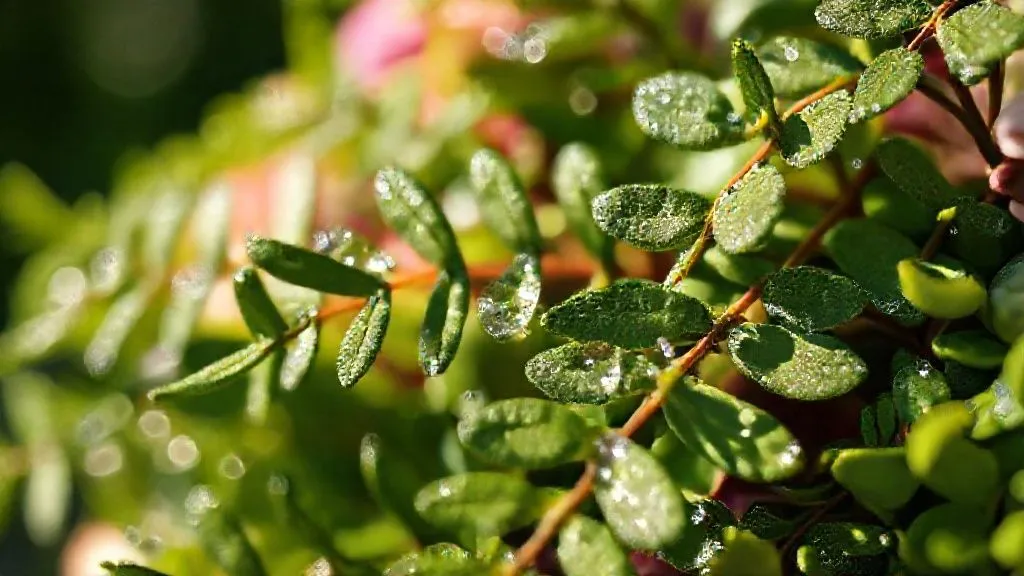
How to Ensure Fresh Wedding Greenery Lasts 12+ Hours in Summer Heat?
For over 15 years in the wedding floral industry, I've witnessed the sheer joy of perfectly executed decor, and conversely, the heartbreak when a stunning greenery installation begins to wilt just hours into a scorching summer celebration. It's a common dilemma, one that can cast a shadow over even the most meticulously planned event.
The problem is palpable: you invest time, money, and dreams into lush garlands, vibrant archways, and elegant table runners, only to see them succumb to the relentless summer sun and heat. The stress of watching your beautiful foliage droop and fade before the reception even begins is a fear I've heard countless couples and planners express.
But here’s the good news: through years of trial, error, and collaboration with top growers and floral scientists, I’ve developed and refined a set of proven strategies. This guide isn't just about theory; it's a practical, step-by-step framework designed to equip you with the knowledge and techniques to ensure your fresh wedding greenery lasts a glorious 12+ hours, even in the most challenging summer conditions. Let's dive into making your summer wedding greenery dreams a vibrant reality.
Deciphering the Greenery's Nemesis: Heat, Humidity, and Hydration
To truly conquer the challenge of keeping greenery fresh, we must first understand its adversaries. It's a delicate balance of biology and environment, and knowing the enemy is the first step to victory.
Why Greenery Wilts: Transpiration & Cellular Collapse
At its core, wilting is a plant's desperate cry for water. Plants, including cut greenery, constantly lose water vapor through tiny pores on their leaves, a process called transpiration. In hot, dry, or windy conditions, this water loss accelerates dramatically. When the rate of water loss exceeds the rate of water uptake through the stem, the plant's cells lose turgor pressure – the internal water pressure that keeps them firm and upright. This leads to the familiar drooping, softening, and eventual browning we call wilting.
Understanding this biological mechanism is crucial. Our goal isn't just to add water, but to minimize loss and maximize uptake, creating an internal equilibrium that defies the external heat.
"The battle for freshness is won or lost in the plant's vascular system. Consistent, deep hydration is not merely a suggestion; it's the lifeline for enduring beauty."
High humidity can sometimes offer a slight reprieve by reducing the water vapor pressure gradient, slowing transpiration. However, extreme heat often overrides this benefit, and the combination of high heat and high humidity can also foster mold and bacterial growth, further compromising freshness. Therefore, a multi-faceted approach addressing both hydration and environmental control is essential.
Strategic Sourcing: Selecting Your Heat-Resistant Heroes
Not all greenery is created equal, especially when battling the summer sun. Choosing the right varieties and a reliable supplier forms the bedrock of your greenery's resilience.
Heat-Tolerant Varieties: Your Summer Wedding MVPs
In my years, I've learned that some greenery types are simply built tougher for the heat. Opting for these varieties significantly reduces your risk of wilting woes. Here are some of my top recommendations:
- Eucalyptus (Silver Dollar, Seeded, Baby Blue): Known for its waxy coating, which helps retain moisture. Silver Dollar Eucalyptus, in particular, is a robust choice.
- Ruscus (Italian, Israeli): These varieties have sturdy leaves and stems, and hold up remarkably well. Italian Ruscus offers beautiful drape, while Israeli Ruscus provides volume.
- Leatherleaf Fern: A classic for a reason, its leathery texture is naturally resistant to quick dehydration.
- Salal (Lemon Leaf): Another exceptionally hardy option with glossy, dark green leaves that maintain their integrity.
- Pittosporum (Green, Variegated): Strong, dense foliage that can withstand considerable warmth.
While whimsical or delicate greens like soft ferns or dusty miller can be beautiful, they are often the first to suffer in intense heat. Reserve these for cooler indoor settings or use them sparingly in outdoor arrangements, ensuring they are well-hydrated and protected.

Supplier Selection: The Foundation of Freshness
Your greenery's journey begins long before it reaches your hands. The quality of your supplier directly impacts its starting freshness and, therefore, its longevity. I always prioritize suppliers who:
- Understand the Cold Chain: They should maintain consistent cool temperatures from harvest through delivery.
- Harvest Ethically and Timely: Greenery cut too early or too late in the day, or under stress, will have a shorter lifespan.
- Offer Locally Sourced Options: Local growers often provide fresher products with less transportation stress. For more on sustainable sourcing, consider resources like Slow Flowers Journal which champions local and seasonal blooms.
- Have a Reputation for Quality: Ask for references, check reviews, and don't hesitate to inspect a sample batch.
A reputable supplier will ensure your greenery arrives in peak condition, ready to absorb and retain moisture effectively.
The Pre-Wedding Prep Protocol: Hydration is King
Once your greenery arrives, the clock starts ticking. Your immediate actions are paramount to setting the stage for 12+ hours of freshness. This is where the 'hydration protocol' truly begins.
Immediate Hydration: The "Drink" Your Greenery Needs
Think of fresh cut greenery like an athlete needing to carb-load before a marathon. It needs to be fully saturated with water and nutrients. Here’s my step-by-step approach:
- Unpack Carefully: Gently remove greenery from its packaging. Avoid crushing or bending stems.
- Inspect and Clean: Remove any damaged leaves or stems. Trim off any leaves that will fall below the water line in your buckets to prevent bacterial growth.
- Recut Stems Underwater (or immediately after): This is critical. Using a sharp knife or floral shears, recut about an inch off the bottom of each stem at an angle. Doing this underwater prevents air bubbles from entering the vascular system, which can block water uptake. If not possible underwater, recut and immediately plunge into water.
- Deep Water & Floral Food Bath: Place stems into clean buckets filled with lukewarm water (warm water is absorbed faster than cold) mixed with a professional floral food solution. Floral food provides essential sugars for energy and a biocide to inhibit bacterial growth. Ensure stems are submerged deeply.
- Allow for Conditioning: Let the greenery hydrate in a cool, dark place (like a floral cooler) for at least 4-6 hours, ideally overnight. This allows it to fully "drink" and become turgid.
Pre-Treatment Soaks: The Overnight Revival
For particularly stubborn or slightly dehydrated greenery, an overnight soak can work wonders. This involves submerging entire branches of greenery (excluding the very ends of the stems if they're delicate) in a bathtub or large trough filled with cool water and a mild floral food solution. This allows the leaves to absorb water directly, supplementing stem uptake. I've found this especially effective for broad-leafed greens.
| Method | Application | Benefit | Time Required |
|---|---|---|---|
| Deep Water & Floral Food | Stems in buckets | Maximum stem hydration, nutrient delivery | 4-6 hours minimum |
| Full Submersion Soak | Entire branches in water | Rapid leaf rehydration | Overnight (6-12 hours) |
| Anti-Transpirant Spray | Foliage spray | Reduces water loss from leaves | Dries in 30-60 mins |
Mastering the Cold Chain: Storage & Transportation Imperatives
Even perfectly hydrated greenery can succumb to improper storage and transport. Maintaining a consistent cold chain is non-negotiable for summer weddings.
Optimal Storage Conditions: The Refrigeration Imperative
Your goal is to slow down the greenery's metabolism and transpiration rate. This means keeping it cool and humid, but not wet enough to encourage mold. Here’s what I recommend:
- Temperature: Store greenery in a floral cooler or a cool, dark room between 38-45°F (3-7°C). Avoid temperatures below freezing, which can damage cells.
- Humidity: High humidity (80-90%) is ideal to minimize water loss. A humidifier in a dedicated cool room can help, or simply keeping the greenery well-covered but not sealed.
- Ventilation: Ensure good air circulation to prevent fungal growth, but avoid direct drafts which can accelerate drying.
- Ethylene Avoidance: Keep greenery away from ripening fruits, vegetables, and decaying plant material. These release ethylene gas, a plant hormone that accelerates aging and wilting.
"A consistent cold chain is your silent partner in preserving freshness. Any break in this chain can undo all your meticulous hydration efforts."
Transporting with Care: Protecting Your Investment
The journey from your studio or home to the wedding venue is a critical vulnerability. Treat your greenery like precious cargo:
- Insulated Containers: Use sturdy, insulated boxes or coolers. Line them with plastic sheeting to contain any moisture.
- Ice Packs (Indirect): Place frozen gel packs or bottles of ice water *around* the greenery, not directly on it, to maintain a cool environment. Avoid direct contact to prevent frostbite.
- Secure Packaging: Pack greenery snugly but not compressed. Use tissue paper or plastic film to prevent shifting and bruising.
- Climate-Controlled Vehicle: If possible, transport in an air-conditioned vehicle. Minimize travel time during the hottest parts of the day.

On-Site Vigilance: Protecting Your Greenery on the Big Day
The wedding day itself presents the ultimate test. Your on-site strategy can make or break your greenery's longevity.
Staging & Prep: Last-Minute Hydration & Conditioning
Even with impeccable pre-treatment, a quick refresh on-site can make all the difference, especially for larger installations.
- Cool Holding Area: As soon as greenery arrives at the venue, transfer it to the coolest, shadiest available space.
- Misting (Strategic): For broad-leafed greens, a fine mist of water can temporarily rehydrate the leaf surface. However, this is a short-term fix and shouldn't be overdone, especially on delicate flowers or in humid conditions where it can encourage mold.
- Re-cutting & Water Tubes: For pieces that will be placed in water (vases, centerpieces), a fresh stem cut just before placement is ideal. For individual sprigs in boutonnières or corsages, consider using tiny water tubes if design allows.
- Oasis or Floral Foam Integration: For large installations like archways or hanging elements, incorporating hydrated floral foam or oasis cages within the structure provides a continuous water source for greenery that would otherwise be out of water.
Strategic Placement: Avoiding the Sun's Wrath
Placement is paramount. Direct sunlight is the enemy of fresh greenery, accelerating transpiration exponentially. According to studies on plant physiology, exposure to direct sun can increase leaf temperature by 10-15°C above ambient air temperature, drastically increasing water loss. For insights into plant responses to heat, resources like academic journals on plant science provide valuable context.
- Seek Shade: Position archways, backdrops, and ceremony structures under natural shade (trees) or artificial shade (tents, umbrellas).
- Avoid Hot Surfaces: Don't place greenery directly on hot asphalt, concrete, or dark-colored surfaces that absorb and radiate heat. Use risers or pedestals.
- Mind the Wind: Strong winds can be just as dehydrating as direct sun. Position elements to minimize wind exposure where possible.
- Last-Minute Installation: For highly visible or critical pieces, aim to install them as close to the ceremony/reception start time as possible.
Advanced Arsenal: Secret Weapons for Enduring Freshness
Beyond the basics, there are professional-grade techniques that can provide an extra layer of protection against the summer heat.
Anti-Transpirant Sprays: A Protective Barrier
This is a game-changer for summer weddings. Anti-transpirant sprays, like products such as Floralife Crowning Glory or Chrysal Glory, create a clear, breathable barrier on the leaves. This barrier reduces the rate of water loss through transpiration without suffocating the plant. They are not a substitute for hydration, but rather a powerful supplement.
Application Tips: Apply these sprays to fully hydrated greenery once it's dry to the touch from any misting or soaking. Ensure even coverage, and allow it to dry completely before handling or placing in arrangements. Always test on a small, inconspicuous piece first.
Water Picks & Oasis: Hidden Hydration Solutions
For specific applications where greenery won't be in a vase, these tools are invaluable:
- Water Picks (Water Tubes): Small plastic tubes with a rubber cap, perfect for individual stems in boutonnières, corsages, or tucked into intricate designs. Fill with water and floral food, insert the stem, and cap securely.
- Floral Foam (Oasis) & Cages: For large-scale installations like garlands, archways, or hanging pieces, incorporating blocks of fully saturated floral foam within a cage or structure provides continuous hydration. Ensure the foam is completely soaked and securely anchored.

Case Study: The Lakeside Lodge Wedding Triumph
Case Study: The Lakeside Lodge Wedding Triumph
Last summer, I worked on a wedding at a stunning lakeside lodge. The ceremony was outdoors, right by the water, with temperatures predicted to hit 95°F (35°C). The bride envisioned a dramatic, cascading eucalyptus and ruscus garland for their ceremony arch, which would be in direct sun for at least 3 hours before the ceremony and then remain in place for photos. My team and I knew this was a high-risk scenario.
We implemented every strategy I've outlined: we sourced the most heat-tolerant eucalyptus and Italian ruscus from a local grower known for their rapid cold chain. Upon arrival, every single stem was meticulously re-cut underwater and conditioned overnight in buckets with floral food. The next morning, after drying, all the greenery was treated with an anti-transpirant spray.
For the arch garland, we constructed it on a sturdy base that incorporated multiple blocks of fully saturated floral foam, ensuring continuous hydration. On the day of, we transported the garland in an air-conditioned van, wrapped in damp towels and insulated blankets, and installed it just 90 minutes before the ceremony. We even had a team member discreetly mist the garland from a distance with plain water about 30 minutes before guests arrived.
The result? The garland remained vibrant, lush, and perfectly fresh for the entire 12-hour duration of the event, from pre-ceremony photos through the late-night reception. The bride was ecstatic, and we received countless compliments on how 'alive' the greenery looked despite the intense heat. This experience solidified my belief that with careful planning and execution, summer heat can be conquered.
Avoiding the Wilting Woes: Common Mistakes & Expert Safeguards
Even with the best intentions, certain missteps can undermine all your efforts. Learning from common errors is a powerful way to safeguard your greenery.
Overcrowding & Poor Air Circulation
A common mistake is packing too much greenery into buckets or storage containers. This restricts air flow, can lead to uneven hydration, and creates an environment ripe for mold and bacterial growth, especially if humidity is high. Always give your greenery room to breathe.
Using the Wrong Vessels or Mechanics
Sometimes, the problem isn't the greenery itself, but how it's displayed. Small, narrow-necked vases might look elegant but can restrict water uptake for larger stems. Dry floral foam, or foam that hasn't been fully saturated, is another culprit. Always use wide-mouthed, clean vessels and ensure any foam is completely waterlogged.
Ignoring Environmental Cues
It's easy to stick to a plan, but flexibility is key. If a sudden heatwave hits, or unexpected strong winds pick up, you might need to adjust. This could mean moving an arrangement to a shadier spot, providing an extra misting, or even deciding to scale back on some exposed greenery elements. Staying attuned to the environment is crucial. For more general best practices in floral care and handling, resources like the Society of American Florists (SAF) offer extensive guidelines.
Forgetting Regular Check-Ins
Once installed, don't just set it and forget it. Designate someone (a planner, a trusted friend, or a floral assistant) to do periodic checks on key greenery installations. A quick glance can catch early signs of distress, allowing for remedial action like a quick mist or repositioning before widespread wilting occurs.
Frequently Asked Questions (FAQ)
Q: Can I use *any* greenery if I pre-treat it exceptionally well? A: While excellent pre-treatment significantly extends the life of most greenery, some varieties are inherently more delicate and simply not suited for prolonged exposure to intense summer heat. Delicate ferns, certain soft-leafed herbs, or highly variegated foliage will always be a higher risk than robust options like eucalyptus or ruscus. Prioritizing heat-tolerant varieties from the start is always the safest bet for a 12+ hour display.
Q: How far in advance can I prep greenery, and what's the maximum storage time? A: For most heat-tolerant varieties, you can typically prep (re-cut, hydrate with floral food) 2-3 days in advance. Store them in a cool, dark, high-humidity environment (ideally a floral cooler). While some very hardy greens can last longer, I wouldn't recommend pushing it beyond 3 days for a wedding where peak freshness is paramount. Delicate greens should be prepped no more than 1 day prior.
Q: Are there eco-friendly alternatives to floral foam/water picks for hydration? A: Absolutely! While floral foam offers excellent water retention, it's not biodegradable. Sustainable alternatives include chicken wire (crumbled and shaped to hold stems in water), kenzans (flower frogs), moss, or even creating grids with floral tape or branches in vases. For larger installations, consider using glass or plastic containers filled with water and repurposed chicken wire, which can be hidden within the design. Water tubes, while plastic, are reusable if cleaned properly.
Q: Does misting greenery actually help, or just make it look wet? A: Misting can offer a temporary, superficial benefit, especially for broad-leafed greenery that can absorb some moisture through its leaves. It cools the leaf surface and slightly increases local humidity, briefly slowing transpiration. However, it's a short-term solution and not a substitute for proper hydration through the stem. Over-misting, especially in humid conditions or on delicate flowers, can lead to water spotting or fungal issues. Use a very fine mist and allow to dry.
Q: What about using artificial greenery for summer weddings to avoid these issues? A: Artificial greenery has come a long way in terms of realism, and it can be a practical solution for areas that are exceptionally challenging for fresh product, or for elements that need to be prepared far in advance. However, nothing truly captures the scent, texture, and organic movement of fresh greenery. My philosophy is to use fresh wherever possible, especially in prominent areas, and to use the techniques outlined in this guide to ensure its longevity. Artificial can be a good supplement for hard-to-reach areas or elements that need to withstand extreme conditions for days.
Key Takeaways and Final Thoughts
Ensuring your fresh wedding greenery lasts 12+ hours in summer heat isn't a matter of luck; it's a science, an art, and a meticulous process. By understanding the challenges and implementing these expert strategies, you can transform your summer wedding into a vibrant, lush spectacle that defies the heat.
- Choose Wisely: Prioritize heat-tolerant greenery varieties and reputable suppliers.
- Hydrate Relentlessly: Master the pre-treatment protocol with recutting, deep water, and floral food.
- Maintain the Cold Chain: Consistent cool storage and careful, insulated transport are non-negotiable.
- Strategize On-Site: Protect greenery from direct sun and wind, and use hidden hydration methods.
- Deploy Advanced Tools: Anti-transpirant sprays and water sources like oasis can be game-changers.
- Be Vigilant: Avoid common pitfalls and be prepared to adapt to environmental changes.
The beauty of a wedding lies in its details, and fresh, vibrant greenery is a cornerstone of that beauty. Don't let the summer sun intimidate you. With these proven methods, you're not just preserving leaves; you're preserving memories. Embrace the challenge, apply these insights, and watch your wedding greenery remain breathtakingly fresh, from the first step down the aisle to the last dance.
Recommended Reading
- Separate Reception Cards for Weddings: Do You Really Need Them?
- Venue Decor Restrictions? 7 Expert Strategies to Unleash Wedding Creativity
- The Ultimate Guide: How to Stop Your Wedding Cake from Melting
- The Secret to Making a Large Ballroom Feel Intimate: An Expert's Guide
- 7 Steps: Master Fragile Wedding Favor Management Post-Reception


Comments
Leave a comment below. Your email will not be published. Required fields marked with *