


How to manage power and restroom logistics at private estate weddings?
For over 15 years in the wedding industry, I've witnessed countless breathtaking private estate weddings. These venues, with their sprawling lawns, historic charm, and unparalleled intimacy, promise a truly unique celebration. However, I've also seen the dream teeter on the edge of disaster due to overlooked logistical nightmares: a sudden power outage plunging the dance floor into darkness, or guests queuing uncomfortably for inadequate restroom facilities.
The allure of a private estate often comes with an inherent challenge: a lack of robust, built-in infrastructure designed for large-scale events. Unlike dedicated wedding venues, these properties weren't constructed with the demands of catering equipment, elaborate lighting, a DJ's sound system, or hundreds of guests needing convenient, comfortable restroom access in mind. This oversight can quickly transform a romantic vision into a stressful reality for couples and their planners.
That's why I've distilled my years of experience into this definitive guide. I'll walk you through actionable frameworks, real-world insights, and expert advice on how to manage power and restroom logistics at private estate weddings, ensuring your celebration runs seamlessly, comfortably, and beautifully from start to finish. We’ll cover everything from precise power calculations to elegant sanitation solutions, all designed to safeguard your special day.
Understanding the Unique Challenges of Private Estates
The very charm of a private estate – its exclusivity and untouched beauty – often presents its greatest logistical hurdles. When you choose a private property, you're essentially building a temporary event venue from the ground up, and that requires a level of planning far beyond what's needed for a traditional banquet hall.
The Allure vs. The Reality: Infrastructure Gaps
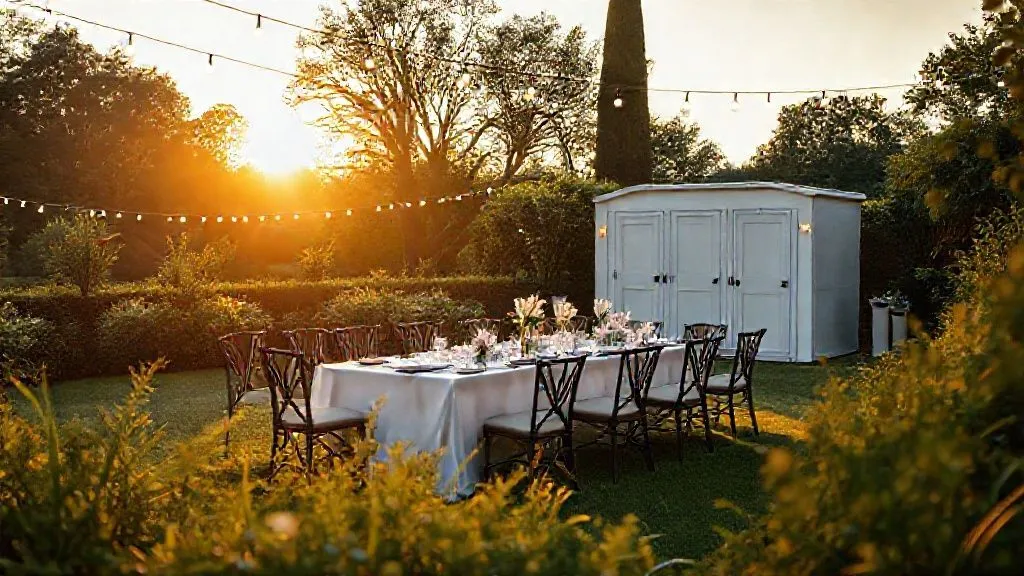
I remember a wedding at a stunning vineyard estate where the couple fell in love with the idea of dining under the stars. What they hadn't fully considered, and what my team had to meticulously plan for, was that 'under the stars' meant no nearby electrical outlets for the caterers' ovens or the string lights overhead. The existing farmhouse electrical system simply wasn't designed to handle the amplified load of a 150-person event.
Similarly, many private estates rely on septic systems or have limited water pressure, making it impossible to add multiple flush toilets without significant, costly upgrades or risking a disastrous backup. Understanding these inherent infrastructure gaps – particularly concerning power and water – is the first critical step in proactive planning. It's about appreciating the beauty while acknowledging the practicalities.
Phase One: Site Assessment and Vendor Collaboration
The moment a couple expresses interest in a private estate, my first piece of advice is always: get boots on the ground. A thorough site assessment is non-negotiable, and it's something I often lead with the couple and their key vendors. This isn't just a casual walk-through; it's a strategic reconnaissance mission.
The Pre-Booking Walkthrough: Your First Line of Defense
Before any contracts are signed, I strongly recommend a detailed site visit with your wedding planner, caterer, and potentially a generator rental specialist. Look for existing power outlets, their amperage, and their proximity to proposed tent sites or kitchen areas. Identify potential locations for generators and portable restrooms – considering noise, aesthetics, and accessibility for service vehicles. Check water sources, pressure, and any septic system limitations. This early assessment allows you to identify potential red flags and budget for necessary rentals from the outset, rather than facing costly surprises down the line.

Engaging Key Vendors Early
Your vendor team is your greatest asset. Your caterer will have specific power requirements for cooking and refrigeration. Your lighting designer and DJ will need reliable power for their equipment. Your tent rental company might need power for climate control. Bringing these experts into the discussion early allows them to provide accurate quotes and identify potential challenges from their specialized perspectives. I always facilitate a collaborative meeting or call with these key players to ensure everyone is on the same page regarding the logistical plan.
Powering Your Dream Day: Generators and Electrical Distribution
When working with private estates, assuming existing power infrastructure is sufficient is a common and costly mistake. In my experience, relying solely on house power for a large wedding is a gamble you don't want to take. Generators are almost always a necessity, providing dedicated, reliable power.
Calculating Your Power Needs: A Step-by-Step Guide
This is where precision is paramount. You need to compile a comprehensive list of every electrical item that will be used, along with its wattage or amperage. Don't forget the small things – phone chargers, curling irons in the bridal suite, coffee makers. Here's my process:
- List All Equipment: Get a detailed list from your caterer (ovens, warmers, refrigerators), DJ (speakers, lights), lighting designer (string lights, uplights), and any other vendors requiring power.
- Determine Wattage/Amperage: Most equipment labels will provide this. If not, ask your vendors.
- Calculate Total Load: Sum up the wattage. For items that cycle on and off (like refrigerators), consider peak usage.
- Add a Buffer: Always add a 20-25% buffer to your total calculated load. This accounts for unforeseen needs and prevents overloading the generator.
- Factor in Starting Amps: Some equipment, especially motors (like those in refrigerators or air conditioners), draw significantly more power when starting up. A good generator specialist will help account for this.
Underestimating power needs leads to tripped breakers, equipment failure, and potentially a dark reception. Overestimating leads to unnecessary costs. A professional generator rental company can help you fine-tune these calculations.
Choosing the Right Generator: Size, Noise, and Fuel
Generators come in various sizes (measured in kilowatts, kW). For a typical private estate wedding of 100-200 guests, you're likely looking at a 40-80 kW generator, possibly two smaller ones for redundancy or to separate power loads. More importantly, consider:
- Noise Level: Opt for 'whisper quiet' or 'event-grade' generators. These are specifically designed to operate with minimal noise, ensuring they don't disrupt speeches or dancing.
- Fuel Type and Duration: Most run on diesel. Ensure you have enough fuel for the entire event, plus a buffer. Consider a refueling plan for multi-day events.
- Placement: Generators need to be placed far enough from the main event space to minimize noise and fumes, but close enough for efficient cable runs. Concealing them with landscaping or decorative fencing is a must for aesthetics.
- Distribution: You'll need a distribution box and professional electricians to safely run power to various zones (kitchen, tent, DJ, lighting). This isn't a DIY job.
Case Study: The Lakeside Estate Power Plan
Case Study: The Lakeside Estate Power Plan
I recently worked on a wedding at a beautiful, remote lakeside estate. The property had minimal existing power, and the wedding was entirely tented. The couple envisioned elaborate lighting, a full band, and a caterer preparing a multi-course meal on-site. Initial estimates from the caterer and band alone pushed the power requirements past 50kW. By implementing a detailed power audit, we determined a single 80kW 'whisper quiet' generator was needed, strategically placed behind a dense grove of trees, over 100 feet from the tent. We then ran a main power trunk line to a distribution box near the tent, with sub-panels feeding dedicated circuits for catering, lighting, and the band. This ensured no single point of failure and allowed for balanced power distribution. The result? A perfectly lit, lively reception with no power interruptions, and the generator's hum was completely imperceptible to guests. This proactive planning saved the day and the budget.
| Equipment Category | Estimated Wattage |
|---|---|
| Catering (Ovens, Warmers, Refrigeration) | 20,000 - 30,000 W |
| Lighting (Tent, Ambiance, Dance Floor) | 10,000 - 15,000 W |
| Audio (DJ/Band, Speakers) | 5,000 - 10,000 W |
| Climate Control (Heaters/AC) | 15,000 - 25,000 W (per unit) |
| Miscellaneous (Photo Booth, Chargers, etc.) | 2,000 - 5,000 W |
| <b>Total Estimated Load (Excluding Buffer)</b> | <b>52,000 - 85,000 W</b> |
Safe and Discreet Cable Management
Once you have your power source, the next challenge is getting electricity where it needs to go safely and aesthetically. Exposed cables are not only an eyesore but a significant tripping hazard. Professional electricians will use heavy-duty, weather-resistant cables, often camouflaged under turf protectors, rugs, or cleverly routed through landscaping. All connections must be waterproof and secured. I always emphasize the importance of adhering to OSHA electrical safety standards, even for temporary event setups, to ensure the safety of guests and vendors alike.
Expert Insight: Always budget for at least two generators: a primary and a smaller backup. While rare, generator failures can happen, and having a contingency plan for critical loads (like refrigeration or essential lighting) can be a true lifesaver, providing peace of mind unmatched by any other logistical detail.
Restroom Solutions: Comfort, Class, and Capacity
The phrase 'portable restroom' often conjures images of unappealing blue boxes. However, for private estate weddings, the industry has evolved dramatically. Today's luxury portable restrooms are far from basic and are essential for guest comfort and overall event experience.
Beyond the Porta-Potty: Elevating the Experience
When I talk about portable restrooms for a private estate wedding, I'm referring to luxury restroom trailers. These units offer flushing toilets, running water sinks, climate control (heating and air conditioning), interior lighting, mirrors, and even background music. Some even come with attendants. They are designed to mimic the comfort and aesthetics of an indoor restroom, ensuring your guests feel pampered, not inconvenienced.
Guest Count vs. Restroom Units: The Golden Ratio
Determining the right number of units is crucial. A general rule of thumb I follow for a standard 5-6 hour wedding is one restroom stall for every 30-40 female guests and one stall for every 50-60 male guests, with at least one urinal. However, this is a starting point. Factors like cocktail hour duration, alcohol consumption, and the availability of any existing indoor restrooms will influence the final count. Always err on the side of having slightly more than you think you'll need to avoid long lines.
Placement and Accessibility Considerations
Strategic placement is key. Restroom trailers should be:
- Accessible: Easy for guests to find but not directly in the main event view. Clear signage is helpful.
- Discreet: Tucked away, perhaps behind a hedge or a temporary screen, to maintain the aesthetic of the estate.
- Level Ground: They need stable, level ground for proper function.
- Service Access: Ensure the rental company's service vehicles can easily access the units for setup, servicing, and removal without disrupting the event or damaging the property.
- Lighting: Adequate lighting around the units for evening events is a must for safety and comfort.

Water Supply and Waste Management
While often overshadowed by power and restrooms, water supply and waste management are equally vital components of private estate logistics. Ignoring them can lead to significant operational challenges.
Ensuring Adequate Water Pressure and Supply
Your caterer will require a consistent supply of potable water for food preparation and cleanup. If the estate's well water or municipal supply has low pressure or limited volume, you may need to bring in supplemental water tanks and pumps. Consult with your caterer and a water supply specialist during your site assessment to determine their needs and the estate's capabilities. For handwashing stations at food service points, separate portable units might be necessary.
Waste Disposal and Environmental Responsibility
A private estate wedding generates a surprising amount of waste – food scraps, packaging, floral trimmings, and general refuse. You'll need a plan for discreet and efficient waste collection and removal. This typically involves renting additional dumpsters (often concealed or placed off-site), establishing clear recycling protocols, and coordinating with a waste management company for timely pickup. As an experienced planner, I always emphasize leaving the estate exactly as we found it, if not better. This commitment to environmental responsibility reflects positively on everyone involved and builds trust with property owners.
Contingency Planning: Expect the Unexpected
Even with meticulous planning, unforeseen circumstances can arise. This is where a robust contingency plan proves its worth. I've often said that planning for a wedding is largely about planning for what could go wrong, so you're ready when it does.
Backup Power and Emergency Kits
Beyond the primary generator, I always advise having a smaller backup generator on standby for essential services like refrigeration or emergency lighting. Additionally, assemble an 'event emergency kit' that includes flashlights, extra batteries, basic tools, first-aid supplies, and contact information for all key vendors and emergency services. This small investment can prevent a minor hiccup from escalating into a major problem.
Weather Preparedness for Outdoor Facilities
If any of your logistics (generators, restrooms, catering tents) are exposed to the elements, you must have a weather plan. This includes securing tent sidewalls, ensuring generators are protected from rain, and having pathways to restrooms that won't become muddy. For extreme heat or cold, ensure climate control for restroom trailers and catering tents is adequate, with backup fuel or power for heaters/AC units. The Event Industry Council offers excellent resources on risk management for outdoor events.
Expert Insight: Communication is your most powerful tool during an unexpected event. Ensure your planner has a clear communication protocol with all vendors, the venue owner, and the couple. Knowing who to call and what steps to take can de-escalate stress and facilitate rapid problem-solving.
Vendor Coordination and On-Site Management
The best logistical plans are only as good as their execution. This requires seamless coordination and vigilant on-site management.
The Pre-Event Walkthrough with All Key Players
A few days before the wedding, I organize a final walkthrough involving the wedding planner, caterer, generator specialist, restroom rental company, and any other relevant vendors. This ensures everyone understands the final layout, power distribution, restroom placement, and emergency protocols. It's an opportunity to catch any last-minute issues and confirm all details.
Designated Logistics Manager
On the day of the wedding, designate a clear point person for all logistical inquiries and issues. This is typically the wedding planner or a dedicated event manager. This individual will be responsible for overseeing generator operation, monitoring restroom cleanliness and supplies, coordinating vendor load-in/load-out, and troubleshooting any immediate concerns. This frees the couple and their families to simply enjoy their day.
Budgeting for Essential Logistics
It's crucial to have a transparent and realistic budget for power and restroom logistics. These are often significant costs that can be overlooked in initial wedding planning, leading to sticker shock later. My advice is always to allocate a dedicated portion of your budget to these essentials from the very beginning.
Transparent Cost Breakdown
When requesting quotes, ensure they are detailed and include all potential charges:
- Generator Rental: Unit cost, delivery, setup, breakdown, fuel, distribution boxes, cabling, electrician labor.
- Restroom Trailer Rental: Unit cost, delivery, setup, breakdown, initial stocking, servicing (if multi-day), attendant fees (if desired), water/waste disposal.
- Water Supply: Tank rental, water delivery, pump rental.
- Waste Management: Dumpster rental, delivery, removal, recycling services.
- Contingency Fund: Always include a buffer (10-15%) for unexpected costs or upgrades.
By understanding these line items, you can make informed decisions and avoid hidden fees. Don't shy away from asking your vendors for a comprehensive quote; transparency is key to managing expectations and budget effectively. For more insights on event budgeting, resources like Special Events Magazine often publish industry benchmarks.
| Logistics Item | Estimated Cost |
|---|---|
| Generator Rental (80kW, 'Whisper Quiet') | $2,500 - $4,500 |
| Electrical Distribution & Electrician Labor | $800 - $1,500 |
| Luxury Restroom Trailer (4-6 stalls) | $1,800 - $3,000 |
| Restroom Servicing/Attendant (Optional) | $300 - $600 |
| Water Tanks & Pumps (if needed) | $500 - $1,000 |
| Waste Management (Dumpsters & Removal) | $400 - $800 |
| <b>Total Estimated Logistics Budget</b> | <b>$6,300 - $11,400</b> |

Frequently Asked Questions (FAQ)
Question: How far in advance should I book generators and luxury restrooms for a private estate wedding? I strongly recommend booking these critical logistical elements as soon as your venue and date are confirmed, ideally 9-12 months out. High-quality, event-grade generators and luxury restroom trailers are in limited supply, especially during peak wedding seasons. Waiting too long can mean settling for less-than-ideal equipment or facing higher prices due to last-minute demand. Early booking also allows for more detailed planning and site assessments with your chosen vendors.
Question: Can I use multiple smaller generators instead of one large one? What are the pros and cons? Yes, using multiple smaller generators is a viable strategy, often employed for redundancy or to isolate power for specific zones (e.g., one for catering, one for entertainment). The main pro is redundancy – if one fails, not everything goes down. It can also reduce the length of cable runs if units are placed strategically. However, cons include increased noise (from multiple units), more fuel management, and potentially higher overall rental costs for several units compared to a single large one. Your generator specialist can help determine the best approach based on your specific needs and estate layout.
Question: What specific questions should I ask the private estate owner regarding logistics? When speaking with the estate owner, inquire about: existing electrical capacity (amperage available, location of outlets), water source and pressure, septic system limitations (if applicable), preferred locations for generators and restrooms, access routes for large vendor vehicles, noise restrictions, waste disposal policies, and any specific rules or permits required for temporary structures or utilities. Document all responses in writing.
Question: How do I ensure the luxury restroom trailers remain clean and stocked throughout the event? For events over 4-5 hours or with a large guest count, I highly recommend hiring a dedicated restroom attendant. This professional will discreetly monitor and clean the units, restock supplies (toilet paper, hand soap, paper towels), and address any minor issues immediately. If an attendant isn't in the budget, ensure your wedding planner or a trusted day-of coordinator has a schedule to check and refresh the units periodically.
Question: What permits or licenses might be needed for temporary power and restroom setups on a private estate? This varies significantly by local municipality. Depending on the size of the generator, the complexity of electrical distribution, or the duration of the event, you may need electrical permits, fire safety inspections, or even general event permits. Your wedding planner or generator rental company should be familiar with local regulations and can advise on specific requirements and help with the application process. Always confirm these details early to avoid last-minute delays or fines.
Key Takeaways and Final Thoughts
- Proactive Site Assessment: Conduct a detailed walkthrough with key vendors early to identify infrastructure gaps.
- Precise Power Planning: Calculate exact wattage needs, add a buffer, and opt for event-grade, quiet generators with professional distribution.
- Elevated Restroom Experience: Invest in luxury restroom trailers and plan for adequate capacity and discreet placement.
- Comprehensive Contingency: Always have backup plans for power, weather, and unexpected issues.
- Seamless Vendor Coordination: Foster early collaboration and designate a clear logistics manager for the event day.
- Transparent Budgeting: Allocate dedicated funds for these essential logistics from the outset to avoid surprises.
Managing power and restroom logistics at private estate weddings might seem daunting, but with the right expertise, meticulous planning, and a strong vendor team, it's entirely achievable. My goal is always to empower couples to fully embrace the magic of their chosen private estate without the underlying worry of logistical failures. By prioritizing these crucial elements, you're not just renting equipment; you're investing in the comfort, safety, and ultimate success of your unforgettable wedding day. Go forth and plan with confidence, knowing every detail is expertly handled.
Recommended Reading
- Acknowledging a Deceased Parent on Wedding Invitations: 7 Empathetic Wording Options
- Unmasking the Hidden Costs: What Wedding Venue Packages Don't Tell You
- 7 Tactful Ways to Handle Wedding Guest's Inappropriate Attire
- Urgent Fix: Edible Favor Vendor Cancellations for High-Profile Weddings
- Fall Wedding Flowers: Discover the Best Color Palettes Now!




Comments
Leave a comment below. Your email will not be published. Required fields marked with *