


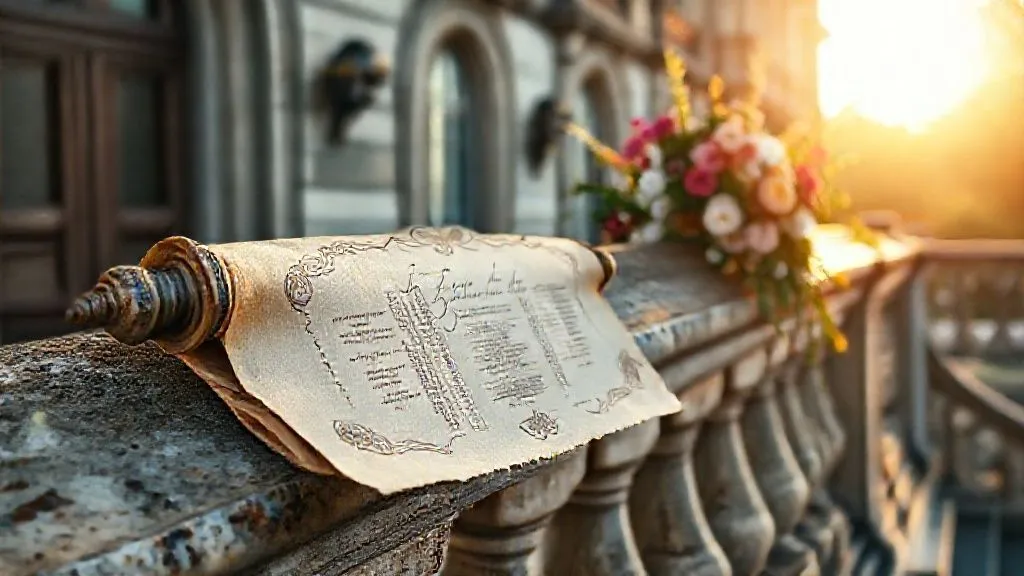
Resolving Historic Venue Rule Conflicts with Client Vision?
For over 15 years in the specialized world of wedding planning, particularly within the enchanting but often challenging realm of historic estates, I've seen countless couples fall head over heels for a venue only to have their dreams tempered by a list of rules. It’s a scenario as old as the estates themselves: the undeniable allure of a place steeped in history clashing with a client's very modern, often Pinterest-inspired, vision.
The problem isn't a lack of imagination on the client's part, nor is it venue inflexibility. More often, it's a fundamental misunderstanding of the 'why' behind these restrictions and a lack of strategic tools to bridge the gap. Clients envision grand floral installations, vibrant pyrotechnics, or late-night dance parties, only to discover the venue prohibits open flames, amplified sound after 10 PM, or even attaching anything to their priceless walls. This often leads to frustration, disappointment, and a sense that their dream wedding is unattainable.
But what if I told you that resolving historic venue rule conflicts with client vision isn't just possible, but often leads to even more unique and memorable celebrations? This isn't about compromising on your client's core desires, but about creatively adapting and strategically navigating the landscape. In this definitive guide, I'll share the frameworks, real-world case studies, and expert insights I've honed over years, empowering you to transform potential conflicts into innovative solutions, ensuring your clients' historic wedding dreams become a beautiful reality.
Understanding the 'Why' Behind Historic Venue Restrictions
Before we can even begin to address a rule conflict, we must first understand its origin. In my experience, assuming a rule is arbitrary is the quickest path to frustration. Historic venues, by their very nature, are custodians of the past, and their rules are meticulously crafted to protect that legacy.
The Foundation: Preservation and Protection
Most historic estates are either privately owned with a deep commitment to preservation, or they fall under the purview of national heritage organizations. Their primary directive is to maintain the structural integrity and historical accuracy of the property. This means avoiding anything that could cause irreversible damage. Think about it: a centuries-old fresco isn't just a wall; it's a piece of art and history. Therefore, a rule against hanging decor with nails or strong adhesives isn't about being difficult; it's about protecting priceless heritage. According to organizations like the National Trust, the very essence of historic preservation involves stringent guidelines to ensure these sites endure for generations.
Safety, Logistics, and Legacy
Beyond preservation, many rules are rooted in practical considerations: safety, logistics, and maintaining the venue's long-term viability. Fire safety regulations often dictate limitations on open flames, pyrotechnics, or even the type of candles allowed. Noise ordinances, especially in residential areas, often cap amplified music times. Logistically, historic properties may have limited electrical capacity, restricted access for large delivery trucks, or delicate flooring that can't withstand heavy equipment. Furthermore, some rules are in place to preserve the venue's reputation and ensure a consistent, high-quality experience for all guests and future events. They're often refined over years of trial and error.
Key Insight: Rules aren't arbitrary roadblocks; they are carefully considered safeguards designed to protect a priceless past, ensure guest safety, and maintain operational integrity. Approaching them with empathy and understanding transforms them from obstacles into parameters for creative problem-solving.
Proactive Communication: Setting Expectations Early On
The single most effective strategy I've employed for resolving historic venue rule conflicts with client vision begins long before any contract is signed: proactive and transparent communication. It's about front-loading the information, not dropping it on clients as an unwelcome surprise.
Initial Consultations: The Transparency Imperative
From the very first meeting, especially when a client expresses interest in a historic venue, I make it a point to discuss the unique nature of these properties. I don't just present a list of rules; I frame them within the context of the venue's history and preservation efforts. For example, instead of saying, 'They don't allow candles,' I'd explain, 'Because of the incredibly delicate original wood paneling and historic tapestries, open flames are restricted to ensure the preservation of these irreplaceable elements. However, we have fantastic alternatives!' This shifts the narrative from restriction to thoughtful consideration and creative opportunity.
Creating a 'Vision vs. Venue' Checklist
I often develop a simple 'Vision vs. Venue' checklist during the initial planning phase. This isn't a legal document, but a conversational tool. We go through the client's absolute must-haves (e.g., a candlelit reception, a specific type of floral arch, a late-night DJ) and then cross-reference these with the venue's known restrictions. This visual exercise helps clients understand where potential friction points might arise and allows us to brainstorm solutions together, proactively addressing concerns before they become major issues.

This early dialogue is crucial. It builds trust and establishes you as an empathetic expert who understands both their dream and the venue's realities. It prevents the heartbreaking scenario of a client envisioning a specific detail for months, only to learn it's impossible weeks before the wedding.
The Art of Creative Compromise and Innovative Solutions
When a rule appears to directly clash with a client's vision, my first response is never 'no,' but 'how can we achieve the desired effect differently?' This is where your creativity and problem-solving skills truly shine. It's about understanding the core desire behind the client's request and finding an approved alternative.
Beyond 'No': Exploring Alternatives
For instance, if a client dreams of a dramatic floral installation cascading from the ceiling but the venue prohibits hanging anything, we explore freestanding structures, elaborate floral arches that frame existing architectural features, or even elevated floral displays on pedestals that create the illusion of height. If open flames are out, LED candles, intelligent lighting design, or even projections can evoke the same romantic ambiance. The key is to dissect the client's request: is it the specific item they want, or the feeling/effect it creates?
Case Study: The Grand Ballroom's 'No Candles' Rule
I once had a client, Sarah and Tom, who envisioned their reception in a magnificent historic ballroom. Their absolute non-negotiable was a 'warm, romantic glow, like a thousand candles flickering.' The venue, however, had a strict 'no open flames' policy due to priceless silk tapestries and original wooden floors. Instead of telling them it was impossible, we broke down their desire:
- Step 1: Identify the Core Desire. Their desire wasn't literally candles, but the 'warm, romantic glow' and 'flickering effect.'
- Step 2: Understand the Rule's Rationale. The rule was about fire safety and protecting irreplaceable historic elements.
- Step 3: Brainstorm Approved Alternatives. We explored high-quality LED candles with realistic flicker technology, strategically placed within hurricane lamps and on multiple levels. We also brought in a lighting designer who used amber uplighting on the walls and pin-spotting on centerpieces to create depth and warmth. Finally, we incorporated custom gobo projections of subtle, warm patterns onto the ceiling, mimicking a soft, ethereal glow.
The result was a breathtakingly romantic atmosphere that exceeded their expectations. Sarah later told me, 'It felt even more magical than real candles, and we didn't have to worry about anyone knocking them over!' This demonstrates how resolving historic venue rule conflicts with client vision can lead to truly innovative and satisfying outcomes.
Leveraging Vendor Expertise and Venue Relationships
You are not alone in this endeavor. Your network of trusted vendors and your relationship with the venue staff are invaluable assets when navigating restrictions at historic estates.
The Power of a Preferred Vendor List
Historic venues often have a preferred vendor list for a reason: these vendors understand the specific nuances, limitations, and operational procedures of the property. They know which caterers can handle the kitchen restrictions, which florists can create stunning arrangements without damaging surfaces, and which lighting companies can achieve dramatic effects within power constraints. When a client's vision seems to hit a wall, consult these trusted partners. They often have a wealth of experience in creatively working within the venue's parameters, having successfully done so many times before.
Building Bridges with Venue Coordinators
Your relationship with the venue's event coordinator is paramount. They are your direct liaison and often possess the most in-depth knowledge of what's truly possible and what's absolutely off-limits. I've found that a collaborative, respectful approach yields far better results than an adversarial one. Present challenges as opportunities for teamwork. 'My client is dreaming of X; I know your policy is Y. What creative solutions have you seen work here in the past, or what might be a possibility if we approach it in Z way?' This open dialogue can often uncover exceptions, specific approved vendors, or innovative workarounds you might not have considered.

Remember, the venue coordinator wants a successful event just as much as you do. By presenting well-researched, thoughtful alternatives, you make their job easier and position yourself as a valuable partner. This collaborative spirit is essential for effectively resolving historic venue rule conflicts with client vision.
Strategic Design Adaptations: Weaving Dreams into Reality
Rather than seeing historic venue rules as limitations, view them as unique design parameters. The inherent character of an old estate can be a powerful ally in creating an unforgettable wedding, even with restrictions.
Working with the Venue's Aesthetic, Not Against It
A common mistake is trying to impose a completely alien aesthetic onto a historic space. Instead, encourage clients to embrace and enhance the venue's existing beauty. If the venue has stunning antique furniture, incorporate it into lounges. If there are breathtaking gardens, utilize them for ceremonies or cocktail hours. The goal is to harmonize modern aesthetics with timeless architecture, not to mask it. This approach often naturally sidesteps many common restrictions because you're working with the venue's strengths.
Illumination and Decor: Crafting Atmosphere Within Limits
When traditional decor elements are restricted, turn to lighting and clever staging. Uplighting can dramatically transform stone walls or high ceilings, creating warmth and depth. Pin-spotting can highlight floral arrangements or architectural details, drawing the eye to approved elements. Consider projections of patterns, textures, or even subtle animations to add movement and interest where physical decor is limited. For example, if a client wants a grand entrance but the historic staircase is too narrow for a large floral arch, perhaps a series of smaller, elegant floral garlands draped along the banister, combined with dramatic lighting from below, can achieve a similar 'wow' factor without compromising safety or preservation.
| Restriction Type | Client Vision | Creative Solution |
|---|---|---|
| No open flames | Romantic candlelight | LED candles, projection mapping, string lights |
| No nails/tape on walls | Hanging floral installations | Freestanding structures, tension rods, existing architectural elements |
| Limited sound levels | Lively dance party | Silent disco, acoustic sets, designated outdoor zones |
| No confetti/glitter | Dramatic exit toss | Biodegradable petals, bubbles, ribbon wands, sparklers (if allowed outdoors) |
By focusing on how elements interact with the space, you can create a cohesive and deeply personal aesthetic that feels both grand and respectful of its surroundings. This strategic design thinking is vital for gracefully resolving historic venue rule conflicts with client vision.
Client Education and Expectation Management: The Empathy Factor
Even with the best planning, some clients may struggle with the idea of altering their initial vision. This is where your role as an empathetic educator and guide becomes paramount.
Guiding Clients Through the 'Why'
Reiterate the 'why' behind the rules, but always frame it positively. Instead of 'You can't do that,' try 'Because this magnificent estate has stood for 300 years, we have special considerations for preserving its beauty, like using only LED candles to protect the antique wood. This ensures future generations can enjoy it, just as you are today.' This helps clients feel like they are part of something bigger – contributing to the legacy of the venue rather than being restricted by it.
Presenting Solutions, Not Just Problems
When a conflict arises, never just present the problem. Always follow it immediately with at least two or three creative solutions. For example, 'I know you envisioned a dramatic fireworks display, and unfortunately, the venue's location near a nature reserve means that's not possible. However, we could explore a stunning light show projected onto the facade, or perhaps a choreographed drone show, which offers a unique, equally impressive spectacle.' This approach demonstrates your expertise and commitment to their vision, even if it requires a pivot.
Key Insight: A well-informed client is a happy client, even with adjustments. By transparently explaining the rationale behind rules and proactively offering innovative solutions, you empower them to make informed decisions and feel confident in their adapted vision.
Navigating Contracts and Legalities: A Detailed Review
The venue contract is not just a formality; it's the definitive guide to what is and isn't permissible. A meticulous contract review is a non-negotiable step in resolving historic venue rule conflicts with client vision.
The Importance of the Venue Contract Deep Dive
Before any client signs, I conduct a thorough review of the venue's contract, specifically looking for clauses related to decor, sound, setup/teardown times, vendor access, insurance requirements, and any specific prohibitions. These details are often buried in fine print, but they are critical. Don't rely on verbal assurances; if it's not in the contract, it's not enforceable. I cross-reference these contractual terms with the client's vision and our 'Vision vs. Venue' checklist to identify any potential red flags early.
Addendums and Written Agreements
If a creative solution or a negotiated exception to a rule is agreed upon, ensure it is documented. This means requesting an addendum to the main contract or a separate written agreement signed by both the client and the venue representative. For instance, if the venue typically prohibits outside catering but agrees to allow a specific cultural caterer for a particular dish, get it in writing. This protects both your client and your reputation should any disputes arise later. Consulting resources like the Cornell Law School Legal Information Institute on contract law can provide general principles on what constitutes a legally binding agreement.
This level of detail might seem tedious, but it is a cornerstone of professional wedding planning, particularly when dealing with the complexities of historic properties. It minimizes risk and provides clarity for all parties involved.
Post-Event Review and Future-Proofing Strategies
Every wedding, especially those at historic venues, is an opportunity to learn and refine your approach. This continuous improvement is key to mastering the art of resolving historic venue rule conflicts with client vision.
Learning from Every Experience
After each event, I conduct an internal debrief. What conflicts arose? How were they resolved? What worked exceptionally well? What could have been handled better? This candid assessment helps me identify patterns, anticipate future challenges, and refine my strategies. For example, if a specific historic venue consistently struggles with power limitations for bands, I know to proactively discuss acoustic alternatives or generator rentals with future clients interested in that location.
Building a Venue-Specific Knowledge Base
Over time, you'll build an invaluable knowledge base for each historic venue you work with. This includes not just their official rules, but also the 'unwritten' rules, the typical flexibility points, and the most successful workarounds. Document these insights. A simple spreadsheet noting common restrictions, successful creative solutions, and key venue contacts can be a powerful tool. This information allows you to approach each new client with even greater confidence and tailored advice, further cementing your expertise and efficiency. It's a practice that aligns with broader principles of effective negotiation and client management, as discussed in publications like Harvard Business Review.
| Venue Name | Common Conflict | Successful Resolution | Client Satisfaction |
|---|---|---|---|
| The Grand Manor | Floral attachment limitations | Used freestanding arches and water-filled pedestals | High |
| Rosewood Estate | Sound restrictions after 10 PM | Transitioned to a silent disco with headphones | Very High |
| Stonehaven Castle | No outside catering for main meal | Negotiated for specific cultural dessert bar, venue provided main courses | Moderate-High |
| Willow Creek Estate | Limited parking for guests | Arranged shuttle service from nearby hotel | High |
By consistently reflecting and documenting, you transform individual challenges into systemic solutions, elevating your service and enhancing your ability to deliver truly exceptional historic weddings.
Frequently Asked Questions (FAQ)
Q: What if a client is absolutely unwilling to budge on a vision element that directly conflicts with a non-negotiable venue rule? A: This is where your role as a trusted advisor is critical. After exhausting all creative alternatives and thoroughly explaining the 'why' behind the rule, you may need to gently guide them towards another venue. Presenting this as finding the *perfect* venue that can accommodate *all* their desires, rather than a concession, can help. Sometimes, a historic venue simply isn't the right fit for a very specific, uncompromising vision, and it's better to realize that early on.
Q: How can I ensure my third-party vendors (florist, caterer, band) understand and adhere to historic venue rules? A: This is a common challenge. Firstly, always share the venue's complete vendor guidelines and relevant contract clauses with all your vendors. Secondly, schedule a mandatory site visit for key vendors (or at least a detailed virtual walkthrough) where you can collectively discuss logistics and specific restrictions. I often host a pre-event call with all key vendors and the venue coordinator to ensure everyone is on the same page and aware of specific limitations, especially for unique historic properties. It's about clear communication and accountability.
Q: Are there any specific types of historic venues that tend to have fewer restrictions than others? A: Generally, privately owned historic homes or estates that operate primarily as event venues might have slightly more flexibility than those managed by historical societies, museums, or government bodies (like National Parks). The latter often have stricter preservation mandates. However, this isn't a hard and fast rule. It always comes down to the individual venue's specific policies and their interpretation of preservation guidelines. Always inquire directly and thoroughly review their documentation.
Q: What's the best way to handle a last-minute rule conflict or unexpected issue on the wedding day itself? A: Preparation is key. Have a 'day-of' emergency kit that includes basic repair items, extra LED candles, or alternative decor. More importantly, maintain open lines of communication with the venue coordinator and your lead vendors. If an issue arises, approach the venue coordinator calmly, explain the situation, and propose a quick, compliant solution. Your strong relationship, built on mutual respect and understanding of industry best practices, will be invaluable in these high-pressure moments. The ability to pivot gracefully is a hallmark of an experienced planner.
Q: Can I negotiate rules with the venue directly, or should I always work through the venue coordinator? A: While the venue coordinator is your primary point of contact and often has the most immediate authority, there are times when escalating a discussion (respectfully, of course) to a venue director or owner might be appropriate for significant, complex issues. This should be done judiciously and only after exhausting discussions with the coordinator. Always approach with well-researched proposals and a clear understanding of the 'why' behind the rule, demonstrating your commitment to the venue's integrity.
Key Takeaways and Final Thoughts
The journey of planning a wedding at a historic estate is a dance between timeless elegance and modern aspirations. Resolving historic venue rule conflicts with client vision is not about sacrificing one for the other, but about skillfully weaving them together into a harmonious tapestry. My years in this niche have taught me that every restriction is an invitation for innovation, and every challenge an opportunity to deepen client trust.
- Understand the 'Why': Rules protect history, safety, and legacy. Approach them with respect, not resistance.
- Communicate Proactively: Set expectations early and transparently, using tools like a 'Vision vs. Venue' checklist.
- Embrace Creative Compromise: Focus on the desired effect, not just the specific item, and brainstorm approved alternatives.
- Leverage Your Network: Collaborate with preferred vendors and build strong relationships with venue staff.
- Design Strategically: Work with the venue's existing aesthetic, enhancing it rather than fighting it.
- Educate & Manage Expectations: Guide clients empathetically, always presenting solutions alongside problems.
- Master the Contract: Conduct a meticulous review and get all agreements in writing.
- Learn & Document: Continuously refine your strategies and build a venue-specific knowledge base.
By adopting these strategies, you'll not only navigate the complexities of historic venues with confidence but also elevate your reputation as an expert who can deliver truly bespoke and unforgettable experiences. Your clients' dreams are not diminished by limitations; they are refined and made even more extraordinary through your expertise and creative problem-solving. Go forth and create magic, one beautifully adapted historic wedding at a time!
Recommended Reading
- Bridal Makeup for Oily Skin: Lasting All Day? Here's the Secret!
- Capture Intimacy: 7 Pro Strategies for Busy Engagement Party Photoshoots
- 7 Proven Strategies: How to Blend Mother and Son Music Tastes Effectively?
- Fully Booked? 7 Expert Strategies When Your Dream Wedding Resort Is Gone
- Don't Ruin Your Wedding Drone Video: Legal Requirements You MUST Know



Comments
Leave a comment below. Your email will not be published. Required fields marked with *