



How to blend mother and son music tastes effectively?
For over 15 years in the bustling world of wedding music, I've witnessed countless beautiful moments, but also a common, often overlooked, challenge: the mother-son dance. It's meant to be a poignant highlight, a tender acknowledgment of their unique bond. Yet, I’ve seen the joy overshadowed by the daunting task of choosing *the* song, a decision that often becomes a silent battleground of generational tastes and unspoken expectations.
This isn't just about picking a tune; it's about navigating a deeply personal, emotional landscape where a mother's preference for a timeless classic might clash with a son's inclination towards a modern hit. The pressure to select a song that perfectly encapsulates their relationship, while also appealing to a diverse audience, can turn what should be a joyful collaboration into a source of stress.
But what if I told you there's a framework, a set of actionable strategies, that can transform this challenge into an opportunity for deeper connection and a truly authentic celebration? In this definitive guide, I'll share my expert insights and proven methods, complete with real-world examples and practical tools, to show you precisely how to blend mother and son music tastes effectively, ensuring their dance is a harmonious reflection of their unique love story.
1. The Empathy First Approach: Understanding Each Other's Musical Worlds
Before any notes are played or suggestions are made, the most crucial step is to approach the conversation with genuine empathy and an open mind. I've seen this mistake countless times: one party comes to the table with a rigid list, effectively shutting down any possibility of compromise. True blending begins with understanding, not just dictating.
Bridging the Generational Gap: A Structured Listening Session
The first hurdle is often the generational divide. What one considers 'classic' another might find 'outdated,' and vice-versa. To bridge this, I recommend a structured listening session, a dedicated time to explore each other's musical landscapes without judgment. This isn't about agreeing, but about appreciating.
- Allocate Dedicated Time: Set aside an hour or two specifically for this, free from distractions. Make it a comfortable, enjoyable experience, perhaps with some snacks or drinks.
- Each Present 3-5 Songs: Both mother and son should come prepared with 3-5 songs they genuinely love and would consider for the dance. These should be songs that resonate deeply with them.
- Active Listening with an Open Mind: As each song is played, the other person should listen actively. Avoid immediate critiques. Instead, try to understand *why* this song is important to them.
- Share the 'Why': After each song, explain its significance. Does it evoke a memory? Does the lyric resonate? Is it a genre they simply adore? This 'why' is far more important than the song itself.
- Document Key Elements: Note down the genre, tempo, lyrical themes, and emotional tone of each suggested song. Look for common threads, even subtle ones.
“The goal isn't to convert someone to your taste, but to understand the emotional weight their music carries. That understanding is the bedrock of true collaboration.”
This initial phase is about building a foundation of mutual respect for each other's preferences. It sets the stage for a collaborative, rather than confrontational, selection process.

2. Unearthing Shared Memories: Beyond Just 'A Song'
Often, the perfect song isn't found in a top 40 list or a 'classic wedding hits' compilation. It's discovered in the archives of shared history. I always encourage clients to look beyond just 'a song' and consider what music has *already* played a role in their lives together. This approach often unearths hidden gems that resonate deeply with both parties, regardless of individual musical preferences.
The Memory Lane Exercise: Prompting Nostalgia
This exercise is designed to tap into the emotional core of their relationship, using music as a conduit for shared memories. It's less about finding a specific song and more about recalling moments where music was present.
- Childhood Soundtracks: Think back to lullabies, car ride singalongs, or songs played during family gatherings when the son was young. Was there a particular artist or genre that dominated the household?
- Significant Life Events: What music was playing during graduations, birthdays, family vacations, or even just everyday moments that stand out? Sometimes a seemingly insignificant jingle can hold immense sentimental value.
- Inside Jokes & Quirks: Do they have any silly songs or jingles that only they understand? While perhaps not suitable for the dance itself, these can spark ideas for similar-sounding or themed songs.
- What Messages Do You Want to Convey?: Beyond specific songs, what emotions or sentiments do they want the dance to express? Love, gratitude, pride, support? This helps narrow down lyrical themes.
According to a study published in the journal Memory & Cognition, music is a powerful retrieval cue for autobiographical memories, often more so than visual cues. This scientific backing reinforces the power of connecting music to shared experiences. By focusing on the emotional resonance of past moments, they can often bypass current taste differences.
Learn more about music and memory research.3. The 'Genre Fusion' Framework: Creative Blending Techniques
When direct agreement on a single song proves elusive, it's time to get creative with blending. As an industry specialist, I’ve developed several 'genre fusion' techniques that can seamlessly merge disparate musical tastes into a cohesive and meaningful performance. This is where the magic of compromise truly shines, transforming two individual preferences into a unique, shared experience.
Option A: The Medley Magic
A medley is a fantastic option when both mother and son have strong contenders that are simply too good to pass up. This involves taking two (or sometimes three) distinct songs and weaving them together into a single, seamless track. The key is smooth transitions and a coherent narrative.
- Identify Core Themes: Look for lyrical themes that can bridge the two songs. Perhaps both speak of enduring love, growth, or support, even if their genres differ wildly.
- Tempo Matching: A skilled DJ or band leader can help adjust tempos to make transitions less jarring. Sometimes, a slight tempo change in one song can make it fit perfectly with another.
- Strategic Cuts: You don't need to play entire songs. Select the most impactful verses and choruses from each. Often, a 30-60 second segment of each song is sufficient.

Option B: The Instrumental Twist
Sometimes, the lyrics of a song might be perfect, but the musical arrangement doesn't fit the desired mood, or vice-versa. An instrumental version can solve this. If the son loves a contemporary song with a great melody but lyrics that might be too 'romantic' for a mother-son dance, an instrumental rendition can be beautiful. Conversely, a mother's favorite classic might be updated with a modern instrumental arrangement.
Option C: Lyrical Alignment, Different Beat
This technique involves finding songs that share a similar emotional message or lyrical theme but exist in completely different genres. For example, both a classic country song and a modern pop ballad might speak of unconditional love. The challenge is to find that common emotional ground, then choose the arrangement that feels most comfortable for the dance itself.
| Blending Technique | Pros | Cons | Best For |
|---|---|---|---|
| Medley Magic | Incorporates multiple favorites, highly personalized | Requires professional editing, can feel disjointed if not done well | Strong, distinct preferences on both sides |
| Instrumental Twist | Focuses on melody/mood, avoids lyrical pitfalls | Can lose some emotional impact of original lyrics | Songs with perfect melodies but problematic lyrics |
| Lyrical Alignment | Emphasizes shared message, broadens song search | May require extensive searching for the 'right' match | When emotional message is paramount over genre |
| Tempo Adjustment | Can make disparate songs flow together better | Risks altering original feel of the song | Songs with good fit but different pacing |
4. The Professional Touch: Involving Your Wedding DJ/Band
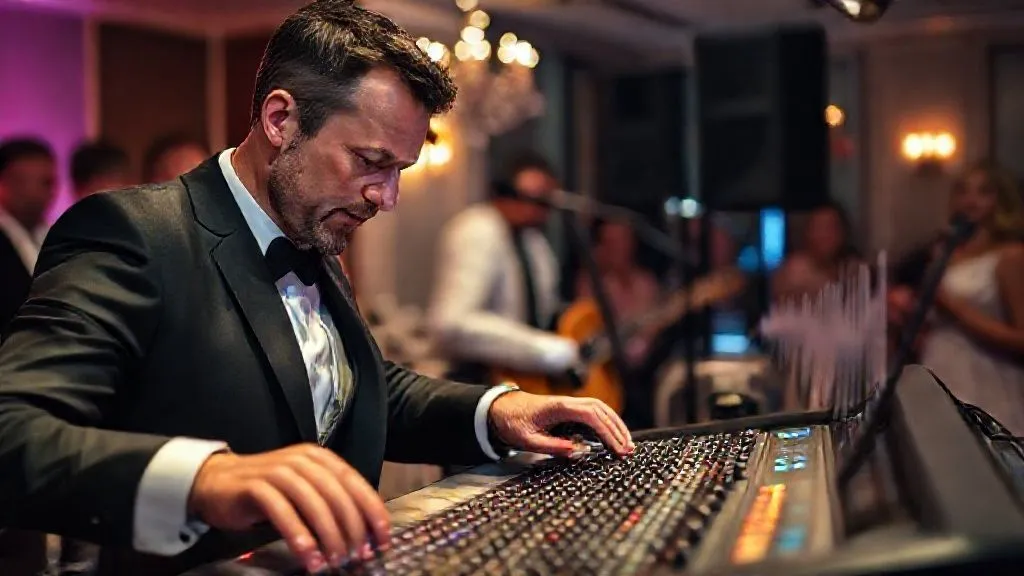
One of the most valuable resources in this process is your wedding music professional. Whether it's a DJ or a live band leader, they are experts in curating musical experiences and, crucially, in problem-solving. I've often stepped in to mediate and suggest solutions when a mother and son reached an impasse. Don't underestimate their ability to guide you.
Communicating Your Vision: What to Tell Your DJ
To get the most out of your music professional, clear communication is essential. Don't just hand them two songs and say 'make it work.' Provide them with context and preferences.
- Share Both Lists: Provide your DJ/band with both the mother's and son's initial song suggestions, along with the 'why' behind each choice.
- Explain the Dilemma: Clearly articulate where the differences lie. Is it genre, tempo, lyrical content, or emotional tone?
- Discuss Preferred Blending Techniques: Reference the techniques discussed (medley, instrumental, lyrical alignment) and see which ones resonate with you.
- Be Open to Suggestions: A good professional will have a vast knowledge base and may suggest songs or approaches you hadn't considered. Trust their expertise.
- Ask for a Sample: If you opt for a medley or a customized arrangement, ask if they can provide a rough cut or demo before the big day.
As industry expert Seth Godin often says, "People don't buy what you do; they buy why you do it." The same applies to wedding music. A professional isn't just playing songs; they're crafting an experience. Give them the 'why' behind your choices, and they can help you create something truly special. For more insights on working with wedding professionals, Brides.com offers excellent advice.
5. The 'Compromise & Celebration' Matrix: Finding Common Ground
Sometimes, despite all efforts, a perfect blend of two distinct songs isn't feasible, or perhaps both individuals are simply exhausted by the decision-making process. In such cases, the 'Compromise & Celebration' matrix comes into play. This involves finding a third-party song that neither person initially suggested, but which both can genuinely appreciate and agree upon. It's about shifting focus from individual preference to shared experience.
Case Study: Sarah & Michael's Dance Dilemma
Sarah, the mother, envisioned a classic, heartfelt country ballad for her dance with son Michael, something akin to 'Mama's Song' by Carrie Underwood. Michael, on the other hand, was a fan of contemporary indie pop and wanted something more upbeat and less traditional, perhaps 'Home' by Edward Sharpe & The Magnetic Zeros. They were at an impasse, each feeling their choice truly represented their bond.
After several weeks of polite disagreement, I suggested we broaden our search. We focused on songs that spoke to themes of journey, support, and enduring love, but without being overtly 'country' or 'indie pop.' We explored artists known for bridging genres or having a timeless quality. Eventually, we landed on 'You've Got a Friend in Me' by Randy Newman. While it wasn't either of their initial choices, its playful yet deeply affectionate lyrics resonated with both. Sarah loved the classic, wholesome feel, and Michael appreciated its unique, non-traditional charm and the underlying message of unwavering support.
The result? A dance filled with laughter and genuine warmth. It wasn't 'her' song or 'his' song; it was *their* song, a testament to their ability to compromise and celebrate their relationship in a way that felt authentic to both. This resulted in a truly memorable moment that felt unique to their bond, rather than forced.
“Compromise isn't about giving up; it's about gaining a deeper appreciation for shared joy. The perfect song isn't always the one you initially pick, but the one you both choose together.”

6. Beyond the Main Dance: Other Avenues for Musical Expression
It's important to remember that the mother-son dance is just one moment in a day filled with music. If finding that 'perfect' song for the main dance feels insurmountable, consider other opportunities to incorporate both of their musical tastes throughout the wedding celebration. This approach reduces the pressure on a single song and allows for broader musical expression.
Pre-Dinner Cocktails & Post-Dance Party
The cocktail hour is an ideal time to feature background music. If the mother loves jazz standards, and the son prefers modern acoustic covers, both can be woven into the cocktail hour playlist. Similarly, the reception party after the formal dances is a prime opportunity for the son's preferred dance hits to shine, ensuring he feels his taste is represented in the overall celebration. This creates a more balanced musical journey throughout the event.
Personalized Playlists for the Getting Ready Rooms
Another often-overlooked opportunity is the music played while getting ready. The mother can have her favorite calming classical or upbeat pop playlist in her suite, while the son and his groomsmen can enjoy their preferred rock anthems or hip-hop tracks. These small, personalized touches acknowledge and honor individual tastes without impacting the main event's flow. It's about creating pockets of personal joy.
By expanding the canvas of musical expression throughout the wedding day, the pressure on the mother-son dance song is significantly lessened. It allows for a more relaxed approach to the main dance, knowing that other musical preferences will have their moment to shine. This holistic view of wedding music planning is a strategy I advocate for all my clients. For more ideas on how to incorporate diverse music throughout your wedding, The Knot offers a wealth of inspiration.
7. The Power of Story: Crafting a Narrative Around Your Song Choice
Ultimately, the most memorable mother-son dances aren't always about the 'perfect' song, but about the genuine emotion and the story behind the choice. Even if the chosen song is a compromise, or perhaps a new discovery, the narrative surrounding *how* it was chosen can elevate its significance. This personal touch transforms a mere song into a cherished memory, regardless of its genre or popularity.
Introducing Your Dance: A Small Speech
Consider having the DJ or an officiant briefly introduce the mother-son dance, sharing a short anecdote about the song choice or the journey to finding it. This contextualizes the moment for guests and adds a layer of intimacy and meaning.
- Option A: The Journey Shared: "Tonight, as Sarah and Michael dance, they're celebrating not just their bond, but also the journey they took to find this song, a beautiful blend of their unique tastes and shared love."
- Option B: The Deeper Meaning: "This song, chosen after much deliberation, perfectly encapsulates the unwavering support and boundless love that defines their relationship. Listen closely to the lyrics..."
- Option C: The Playful Compromise: "After much friendly debate and a few musical showdowns, Michael and his mom, Sarah, found this gem that truly represents them both. Enjoy!"
This narrative approach demonstrates effort, love, and the collaborative spirit that went into the choice. It makes the moment deeply personal and allows guests to connect with their story. Even a song that might seem 'ordinary' can become extraordinary when framed by a heartfelt explanation. This is a powerful tool for adding a layer of trust and authenticity to the moment.
| Approach | Description | Impact |
|---|---|---|
| Direct Compromise | Briefly explain that the song is a blend or a mutually agreed-upon choice. | Shows collaboration and effort. |
| Memory Lane | Share a short story about why this song (or its theme) is significant to their shared history. | Evokes nostalgia and emotional connection. |
| Lyrical Focus | Highlight a specific line or theme in the song that resonates with their relationship. | Draws attention to the song's deeper meaning. |
| Future Forward | Explain how the song represents their evolving relationship and future together. | Offers a hopeful and loving perspective. |
Frequently Asked Questions (FAQ)
Q: What if we truly can't agree on *any* song, even after trying all these methods? A: If a direct agreement remains elusive, consider a completely neutral, beautiful instrumental piece that allows the focus to be solely on their dance and connection, free from lyrical or genre debates. Alternatively, as a last resort, one person can choose the song for the main dance, with the other's preference being prominently featured during the cocktail hour or general reception. The key is mutual respect and understanding that the dance itself, not just the song, is the celebration.
Q: Is it okay to use an instrumental version of a song with 'inappropriate' lyrics for a mother-son dance? A: Absolutely, with caution. If the melody and emotional tone of the instrumental version are perfect, and the original lyrics are truly 'inappropriate' (e.g., overtly romantic, suggestive, or otherwise unsuitable for a familial dance), an instrumental rendition can be a fantastic solution. Ensure the instrumental version doesn't inadvertently trigger thoughts of the original problematic lyrics for guests who might know the song well. A less familiar instrumental cover might be even better.
Q: How much lead time do we need to choose a mother-son dance song? A: I recommend starting the conversation at least 3-4 months before the wedding. This allows ample time for listening sessions, discussions, potential professional consultations with your DJ or band, and any custom editing if you opt for a medley. Rushing this decision often leads to stress and less satisfying choices.
Q: Should the mother-son dance song be upbeat or slow? A: There's no hard and fast rule. The tempo should reflect the desired mood and the personalities of the mother and son. A slow, tender ballad is classic and emotional, while a slightly more upbeat, heartfelt song can convey joy and celebration. The most important factor is that both feel comfortable dancing to it and that it authentically represents their relationship.
Q: What if one of us isn't a good dancer or feels awkward? A: Many mothers and sons feel this way! The dance isn't about professional choreography; it's about the moment. Choose a song with a comfortable tempo that allows for a simple sway or a basic slow dance. Consider taking one or two casual dance lessons together – not to learn complex steps, but simply to feel more comfortable moving together. Rehearsing the dance once or twice before the wedding can also significantly boost confidence.
Key Takeaways and Final Thoughts
- Start with Empathy: Understand each other's 'why' behind their song choices before discussing 'what.'
- Mine for Memories: Look beyond current preferences to shared musical moments from the past.
- Embrace Creative Blending: Explore medleys, instrumental versions, or lyrical alignment for unique solutions.
- Leverage Your Professionals: Your DJ or band is an expert resource for suggestions and custom edits.
- Prioritize Shared Appreciation: Sometimes a 'compromise song' that both can genuinely appreciate is the most authentic choice.
- Utilize Other Musical Moments: Distribute individual music tastes throughout the wedding day to reduce pressure on the main dance.
- Craft a Story: A compelling narrative about the song choice can make any tune deeply meaningful.
The mother-son dance is a cherished tradition, a beautiful opportunity to honor a foundational relationship. While the quest for the 'perfect' song can feel daunting, remember that the true perfection lies not in the notes, but in the love and connection it represents. By approaching this decision with openness, creativity, and a willingness to collaborate, you can transform a potential challenge into one of the most heartwarming and memorable moments of the entire wedding day. Trust the process, lean into your shared history, and celebrate the unique melody of your bond.
Recommended Reading
- 7 Urgent Fixes: Save Your Ill-Fitting Bespoke Wedding Suit in 7 Days
- Manage Rustic Barn Wedding Expectations: 5 Pro Tips for Venues
- Public Post-Wedding Complaints? 7 Expert Steps to Diffuse Drama
- Stuck? Draft Impactful Wedding Vows in 7 Days (Even With Limited Time)
- 7 Bow Tie Blunders That Ruin a Groom's Black-Tie Elegance


Comments
Leave a comment below. Your email will not be published. Required fields marked with *