


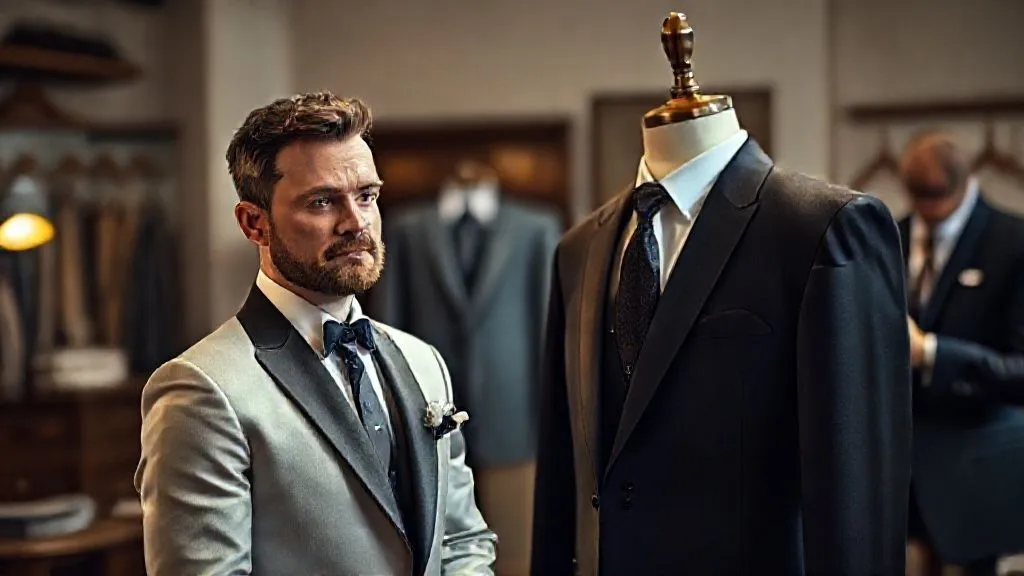
What to Do When Your Custom Wedding Suit Arrives Ill-Fitting? A Groom's Emergency Guide
For over two decades in the wedding industry, specializing in groom's attire, I've witnessed the joyous anticipation of a custom suit turn into sheer panic. It’s a scene I’ve seen play out countless times: the carefully chosen fabric, the meticulous measurements, the months of waiting, all culminating in that moment when the suit arrives… and it just doesn’t fit. I understand that knot in your stomach, the sudden wave of anxiety that can wash over you.
The expectation of a perfectly tailored garment, especially for your wedding day, is incredibly high. When your custom wedding suit arrives ill-fitting, whether it's too tight across the shoulders, too loose in the waist, or simply doesn't drape as envisioned, it feels like a personal affront to your big day. This isn't just about fashion; it's about comfort, confidence, and looking your absolute best for one of life's most significant moments. The emotional weight of this disappointment can be immense, threatening to overshadow the excitement of the impending celebration.
But here's the crucial insight: an ill-fitting custom suit is not a death sentence for your wedding day look. In fact, with the right knowledge and a proactive approach, most issues can be rectified. This comprehensive guide, born from years of experience helping grooms navigate these very waters, will walk you through precise, actionable steps to diagnose the problem, communicate effectively with your tailor, and ensure you stride down that aisle looking impeccably sharp. We'll cover everything from immediate checks to last-minute fixes, providing frameworks and expert insights you won't find anywhere else, arming you with the confidence to tackle this challenge head-on.
Immediate Action: The Critical First 24 Hours
The moment your custom wedding suit arrives, the clock starts ticking. Your immediate actions are crucial in determining the ease and success of any necessary alterations. Don't let the excitement or a busy schedule delay this critical initial assessment.
Donning the Suit Correctly: More Than Just Zipping Up
Before you even begin to assess the fit, ensure you're wearing the suit exactly as you would on your wedding day. This means wearing the correct dress shirt, waistcoat (if applicable), dress shoes, and even any specific undershirts or accessories that might affect the drape. Your posture also plays a significant role; stand tall and naturally, not stiffly.
- Wear the Right Undergarments: A specific undershirt or shapewear can subtly change your body's contours.
- Button Your Shirt and Waistcoat: Ensure your dress shirt is fully buttoned, and any waistcoat is properly fastened to provide an accurate base layer.
- Lace Up Your Wedding Shoes: The height of your shoes directly impacts trouser length and break.
- Assume Natural Posture: Stand relaxed but upright, as you would when greeting guests or standing at the altar. Avoid slouching or overly rigid stances.
- Fasten the Jacket Correctly: For a two-button jacket, only the top button should be fastened. For a three-button, the middle is always fastened, and the top is optional. The bottom button is never fastened.
The Full Assessment: A 360-Degree Mirror Check
Once properly dressed, find a full-length mirror, ideally with good lighting. Take your time. Turn slowly, observe every angle. Better yet, have your partner or a trusted friend take photos and videos from all sides – front, back, and both profiles – and while you're moving slightly. This objective view can reveal issues you might miss.
| Area | Check | Issue Indicators |
|---|---|---|
| Shoulders | Are they too wide/narrow? Do they pucker or have divots? | Wrinkles at top, fabric pulling, shoulder pad extending past natural shoulder. |
| Chest | Does the jacket pull or gape when buttoned? | 'X' wrinkles across chest when buttoned, lapels standing away from body. |
| Waist | Is it too tight/loose? | Pinching at waist, excessive fabric bunching, button strain. |
| Sleeves | Are they the correct length? Too wide/tight? | Cuff doesn't show shirt cuff (too long), too much shirt cuff shows (too short), fabric bunching at armpit. |
| Trousers | Waist, seat, break, length? | Gaping at waistband, pulling across seat/thighs, excessive fabric pooling at ankle (too long), high-water look (too short). |
"The mirror is your first, best friend in diagnosing an ill-fitting suit. But don't just look; actively feel for tension, pinch points, and areas of excess fabric."
Pay close attention to how the fabric drapes. A well-fitting custom suit should flow smoothly, accentuating your natural lines without pulling or bunching. Take detailed mental notes, or better yet, jot down every observation. This initial review is paramount; it sets the stage for accurate communication with your tailor.

Diagnosing the Fit Issues: A Comprehensive Checklist
Identifying that something 'feels off' is one thing; pinpointing the exact fit issue is another. As an expert, I've developed a detailed checklist that helps grooms systematically evaluate every crucial area of their suit. This precision is vital when you need to explain what to do when your custom wedding suit arrives ill-fitting to your tailor.
Shoulders: The Foundation of a Great Fit
The shoulders are arguably the most critical part of a suit's fit. They are the least alterable, and a poor shoulder fit can throw off the entire garment's balance and drape. A well-fitting shoulder should sit smoothly, following the natural curve of your shoulder without extending past it or falling short.
- Too Wide: The shoulder pad extends noticeably past your natural shoulder line, creating a droopy, oversized look. You'll often see excess fabric bunching up on the sleeve head.
- Too Narrow: The jacket pulls tightly across your upper back and shoulders, creating horizontal tension lines. You might feel restricted when moving your arms.
- Divots or Wrinkles: These can appear just below the shoulder seam, either at the front or back, indicating an imbalance in the shoulder slope or an issue with the sleeve attachment.
- Collar Gap: If there's a noticeable gap between your shirt collar and the back of your jacket collar, it often points to a shoulder or upper back fit issue, where the jacket isn't sitting correctly.
Chest and Waist: The Torso's Harmony
The chest and waist define the suit's silhouette. A custom suit should gently hug your torso, providing a clean line without being overly restrictive or baggy. You should be able to comfortably close the jacket without strain.
When the jacket is buttoned, check for:
- 'X' Wrinkles: These diagonal wrinkles radiating from the button are a clear sign the jacket is too tight across the chest or waist.
- Gapping Lapels: If your lapels stand away from your chest, especially when you move, the jacket is likely too tight.
- Excess Fabric: Conversely, if there's a lot of loose fabric around the waist when buttoned, or the jacket hangs straight down without any waist suppression, it's too loose.
- Button Stance: The button should ideally sit around your natural waist, or just above it. If it's too high or too low, it can throw off your proportions.

Sleeves and Cuffs: The Details That Define Elegance
Sleeve length is a classic indicator of a well-fitting suit. The jacket sleeve should end just at the wrist bone, allowing about a quarter to half an inch of your shirt cuff to show.
- Too Long: The jacket sleeve completely covers your shirt cuff, making your arms look shorter and the suit appear ill-proportioned.
- Too Short: Too much shirt cuff, or even your wrist, is exposed, giving a 'high-water' appearance.
- Too Wide/Narrow: The sleeve should be slim enough to avoid bagginess but wide enough for comfortable movement. Excessive fabric bunching or tight pulling are red flags.
Trousers: Comfort and Silhouette
Your wedding trousers should be comfortable, sleek, and have the right 'break' at the ankle. A custom fit here means no awkward pulling or pooling of fabric.
- Waistband: It should sit comfortably on your natural waist without needing a belt to stay up, but also without pinching. You should be able to fit two fingers comfortably inside the waistband.
- Seat: The fabric over your backside should drape smoothly. Wrinkles radiating from the crotch indicate tightness, while excessive baggy fabric suggests it's too loose.
- Thighs: The trousers should follow the line of your leg without being skin-tight or excessively baggy. You should be able to pinch about an inch of fabric on either side of your thigh.
- Break: This refers to the crease formed by the trouser hem resting on your shoes. For a modern look, a 'no break' or 'slight break' is common, meaning the hem just grazes the top of your shoe. A 'full break' involves more fabric pooling. Ensure it's consistent with your preference and the tailor's initial promise.
The Jacket Length: Proportion is Key
The jacket length is crucial for creating a balanced silhouette. A general rule of thumb is that the jacket hem should cover your backside and end around the middle of your thumb when your arms are relaxed at your sides. A modern cut might be slightly shorter, but it should still cover the seat.
- Too Long: The jacket overwhelms your frame, making your legs appear shorter.
- Too Short: The jacket exposes too much of your backside and crotch, appearing disproportionate and trendy in a way that might not age well.
By systematically checking each of these areas, you'll be well-equipped to articulate precisely what's wrong when your custom wedding suit arrives ill-fitting, transforming a vague complaint into actionable feedback for your tailor.
Communicating with Your Bespoke Tailor: Diplomacy and Precision
Once you've thoroughly diagnosed the fit issues, the next critical step is to communicate effectively with your tailor. This isn't a confrontation; it's a collaboration to achieve the perfect fit. Approach the conversation with diplomacy, armed with precise observations and a clear understanding of the problem.
Document Everything: Photos and Notes
I cannot stress this enough: visual evidence is your strongest ally. Before you even pick up the phone, ensure you have clear, well-lit photos and videos of yourself in the ill-fitting suit. These should highlight every specific issue you've identified, from pulling lapels to a baggy seat.
- Multiple Angles: Take photos from the front, back, and both sides.
- Zoom In: Capture close-ups of specific problem areas (e.g., 'X' wrinkles, shoulder divots).
- With and Without Movement: Show how the suit fits when standing still and when moving slightly (e.g., raising arms, sitting down).
- Detailed Notes: Write down your observations for each area, referencing the photos. Include when the suit arrived and when you tried it on.
Schedule an Immediate Follow-Up Appointment
Time is of the essence, especially with wedding attire. Contact your tailor as soon as possible to explain the situation and schedule an immediate re-fitting. Be upfront about the issues you've found, stating that the custom wedding suit arrived ill-fitting and requires urgent attention. Avoid accusations; focus on the problem and the need for a solution.
Understanding Your Contract and Rights
Before your call or appointment, review the contract or agreement you signed with your tailor. Pay close attention to clauses regarding alterations, re-fittings, and customer satisfaction. Understanding your rights and the tailor's obligations will empower you during discussions. For custom-made goods, consumer rights often stipulate that the product must be 'fit for purpose' and 'as described.' If the suit doesn't match the agreed-upon measurements or quality, you have a strong case. For detailed information on consumer rights regarding custom orders, you might consult resources like the Federal Trade Commission (FTC) in the US or similar consumer protection agencies in your region.
Case Study: David's Dilemma and Diplomatic Resolution
David, a groom from Seattle, received his custom three-piece suit just two weeks before his wedding. The jacket shoulders were too wide, and the trousers too long, creating an unflattering drape. Instead of panicking or expressing anger, David immediately took detailed photos from multiple angles, clearly highlighting the specific issues without exaggeration. He then calmly called his tailor, referencing their initial discussions and the measurements that were taken, explaining that his custom wedding suit arrived ill-fitting and he was concerned about the fit. By presenting clear evidence and maintaining a respectful, problem-solving tone, the tailor not only expedited the alterations at no extra cost, recognizing the error on their end, but also offered a complimentary shirt pressing for his wedding day. This demonstrated the power of clear, documented, and diplomatic communication in achieving a positive outcome.
Understanding Alteration Limitations: What Can (And Can't) Be Fixed
While a skilled tailor can work wonders, it's crucial to understand that not all fit issues are equally fixable, especially when time is short. Knowing the boundaries of alterations will help manage your expectations and guide your discussions about what to do when your custom wedding suit arrives ill-fitting.
What's Generally Fixable
Many common fit problems can be addressed with relative ease by an experienced tailor. These alterations typically involve taking in or letting out fabric where there's enough seam allowance, or adjusting lengths.
- Sleeve Length: One of the most common and straightforward alterations. Sleeves can be shortened or lengthened.
- Trouser Waist: Can often be taken in or let out by a few inches.
- Trouser Length/Hem: Easily adjusted to achieve the desired break.
- Jacket Waist/Sides: Can be taken in for a slimmer silhouette, or slightly let out if there's enough seam allowance.
- Minor Shoulder Pad Adjustments: Sometimes, a tailor can slightly reduce the bulk or reshape a shoulder pad.
- Sleeve Width: Can be tapered for a cleaner look.
- Trouser Seat/Thighs: Can be taken in for a slimmer fit, or slightly let out if there's sufficient fabric.
What's Challenging or Impossible
Certain alterations are either extremely difficult, prohibitively expensive, or simply impossible without compromising the suit's structure or integrity. These often involve fundamental changes to the suit's core construction.
- Shoulder Width (Significant Changes): While minor adjustments might be possible, significantly widening or narrowing the shoulders is incredibly complex, often requiring the jacket to be completely deconstructed and rebuilt. It's usually not cost-effective or advisable.
- Jacket Length (Significant Changes): Shortening or lengthening a jacket by more than an inch or two is very difficult, as it affects the balance of the pockets, button stance, and overall proportion.
- Collar Gap (Major): While minor collar gaps can sometimes be addressed, significant ones often point to fundamental issues in the jacket's upper block, which are hard to fix without major reconstruction.
- Adding Fabric: If a suit is too small in critical areas where there's no seam allowance (e.g., very tight across the back, chest, or shoulders), a tailor cannot magically add fabric.
- Fabric Damage: Tears, stains, or other damage to the suit fabric itself are often unfixable, especially for a custom piece where matching fabric is impossible.
"A good tailor can work wonders, but they can't create fabric out of thin air or fundamentally restructure a jacket without affecting its integrity. Understanding these limitations is key to realistic expectations."
As noted by experts in bespoke tailoring, the foundation of a suit's fit lies in its initial cut. For more insights into what alterations are feasible and which are not, you might find articles from reputable sources like Gentleman's Gazette particularly informative, detailing the intricacies of suit alterations.
The Rush Alteration: Strategies for Tight Timelines
When your custom wedding suit arrives ill-fitting with only weeks, or even days, to go before the wedding, you're in a rush alteration scenario. This demands a focused, strategic approach to ensure the most critical fixes are made without compromising quality.
Prioritize Critical Adjustments
In a rush, you might not have time for every minor tweak. Focus on the alterations that will have the biggest impact on your appearance and comfort. These typically include:
- Shoulder Fit: If fixable, this is paramount.
- Jacket Closure: Ensuring the jacket buttons comfortably without 'X' wrinkles or excessive gapping.
- Trouser Waist and Length: Essential for comfort and a clean line.
- Sleeve Length: Crucial for the overall polished look.
Minor details, like a slight adjustment to a lapel roll or a very subtle tapering of a sleeve, might need to be deferred if time is extremely tight. Discuss these priorities clearly with your tailor.
Express Urgency (Politely!)
When you contact your tailor, clearly communicate the urgency of the situation. Explain that it's your wedding suit and the big day is fast approaching. Ask if they offer expedited services or if they can fit you into their schedule as a priority. While it's important to be firm about the timeline, always remain polite and understanding of their workload. A good tailor will appreciate your professionalism.
Be Prepared to Pay a Premium
Rush jobs often come with a surcharge. Tailors have to rearrange their schedules, work overtime, or pull staff to accommodate last-minute requests. Be prepared for this additional cost and factor it into your emergency budget. It's a small price to pay for peace of mind and a perfectly fitting suit on your wedding day. Always get an estimate for the rush fee upfront.
Consider a Second Opinion (With Caution)
If your original tailor is completely unresponsive, unable to meet your timeline, or you've lost all confidence in their ability to rectify the issues, you might consider taking the suit to an independent, highly recommended local tailor for a second opinion and potential rush alteration. This is a last resort, as a new tailor might not be familiar with the suit's construction and will charge full price for their services, but it can be a lifesaver in extreme cases.
| Timeline | Action | Cost Implication |
|---|---|---|
| 4-6+ Weeks Out | Ideal buffer for initial alterations, multiple fittings. | Standard alteration rates. |
| 2-3 Weeks Out | Most complex alterations still feasible with rush service. | Potential for rush fees (10-25% extra).? |
| 1 Week Out | Focus on critical, quick fixes (hems, waist, sleeve length). | High rush fees (25-50% extra), limited scope. |
| Days Before | Emergency fixes only, highly selective. | Very high rush fees, possible compromises on ideal fit.? |
Exploring Backup Options: When Plan A Fails
Despite your best efforts, there are rare instances where a custom wedding suit arrives ill-fitting beyond reasonable repair, or the timeline simply makes alterations impossible. In these stressful situations, having a Plan B (or even C) is essential to ensure you still look sharp and confident on your wedding day.
The "Off-the-Rack" Save
If your custom suit is truly a lost cause, your quickest solution might be to purchase a high-quality, off-the-rack suit. Many premium menswear stores offer excellent ready-to-wear options that, with minor alterations, can look almost custom.
- Visit a Reputable Department Store or Menswear Boutique: They often have in-house tailors who can perform basic alterations (hemming trousers, adjusting sleeve length) very quickly.
- Focus on Key Fits: Prioritize a suit that fits well in the shoulders and chest, as these are the hardest to alter. Waist and sleeve length can be adjusted.
- Choose a Classic Style: Stick to timeless colors (navy, charcoal, black) and cuts to ensure versatility and elegance.
- Communicate Urgency: Explain your situation to the sales associate and tailor; they might be able to fast-track alterations.
Renting a High-Quality Suit
For a truly last-minute emergency, renting a suit or tuxedo can be a viable and surprisingly stylish option. Many rental companies offer modern, well-maintained garments that can be fitted with minimal lead time.
- Explore Premium Rental Services: Look for companies that specialize in higher-end rentals, offering better quality fabrics and more contemporary cuts than traditional rental chains.
- Check for Availability: Ensure they have your size and preferred style in stock for immediate pickup or quick delivery.
- Factor in Fitting Time: Even rentals require a quick fitting to ensure trousers are hemmed and sleeves are the right length.
Repurposing Other Attire
If your wedding has a slightly less formal dress code, or if you're truly desperate, consider if you have another existing suit or blazer and trousers combination that fits well. This might not be your ideal custom suit, but a well-fitting alternative is always preferable to an ill-fitting one.
- Check Your Wardrobe: Do you have a dark, well-fitting suit from another occasion?
- Mix and Match: Could you pair a sharp blazer with perfectly tailored trousers for a smart-casual look?
- Consult Your Partner: Discuss this emergency option with your fiancé/fiancée. They might be more understanding and open to alternatives than you think.
Remember, the goal is to look your best and feel confident. While the disappointment of an ill-fitting custom suit is real, a well-executed backup plan can still ensure you shine on your wedding day. For more ideas on elegant alternative attire for grooms, even in non-emergency situations, consider resources like GQ's groom attire guides.
Preventative Measures: Learning for the Future
While this guide focuses on what to do when your custom wedding suit arrives ill-fitting, the best approach is always prevention. As an industry veteran, I’ve gleaned insights into how grooms can significantly minimize the risk of fit disasters in the first place. These lessons are valuable not just for your wedding, but for any future bespoke purchases.
Choose Reputable Tailors with Proven Track Records
This is perhaps the most crucial preventative step. Do not compromise on the tailor. Research thoroughly:
- Read Reviews: Look for consistent positive feedback specifically mentioning fit, accuracy, and customer service.
- View Portfolios: Ask to see examples of their work, ideally on clients with similar body types.
- Ask for Referrals: Get recommendations from trusted friends, wedding planners, or other industry professionals.
- In-Person Consultation: A good tailor will spend significant time discussing your needs, preferences, and body nuances during an initial consultation.
Schedule Fittings Strategically
The timing of your fittings is vital. Don't rush the process, and build in buffer time.
- Initial Measurement: At least 4-6 months before the wedding. This allows ample time for production.
- First Fitting (Basted or Canvas): Ideally 2-3 months out. This is where major adjustments can still be made to the suit's underlying structure. Don't skip this if offered.
- Final Fitting: 4-6 weeks before the wedding. This allows for final tweaks and a buffer for any unexpected issues.
- Final Pickup: 1-2 weeks before the wedding. This leaves a small window for any last-minute, minor alterations.
Be Honest About Body Changes
Your tailor is not there to judge your physique; they are there to dress it perfectly. Be transparent about any anticipated weight fluctuations or body changes between your initial measurements and the wedding day. If you plan to gain muscle or lose weight, discuss this with your tailor so they can advise on the best timing for measurements and subsequent fittings.
Understand the Measurement Process
Don't be afraid to ask questions during the measurement process. A good tailor will explain why they're taking certain measurements and what they mean. Understand how they account for posture, arm movement, and your preferred style (e.g., slim fit vs. classic fit). The more informed you are, the better you can catch potential misinterpretations early.

By taking these preventative steps, you significantly reduce the chances of ever having to ask yourself what to do when your custom wedding suit arrives ill-fitting. It's an investment in peace of mind and impeccable style.
Frequently Asked Questions (FAQ)
How much time should I ideally allow for custom suit alterations before the wedding? Ideally, you want to factor in at least 4-6 weeks for any potential alterations, even with a custom suit. This buffer allows for multiple fittings if needed, and reduces stress. If your suit arrives ill-fitting and requires significant work, you might need to push this to 2-3 weeks for rush services, but it will likely incur extra costs and stress. For best results, aim for your final fitting around the 4-week mark.
Can I get a refund if my custom suit is unfixable or fundamentally flawed? This depends heavily on your contract with the tailor and the severity of the issue. If the suit is fundamentally flawed due to the tailor's error (e.g., incorrect measurements not matching what was agreed upon, or poor craftsmanship that affects the fit), you likely have strong grounds for a refund or a remake. However, if the issue stems from your own body changes or miscommunication, it becomes more complex. Always refer to your signed agreement and be prepared to negotiate based on clear evidence of the tailor's fault.
Is it better to go to a different tailor for alterations if my original tailor messed up? This is a delicate decision. My primary advice is always to give the original tailor the first opportunity to rectify their work, especially if they are reputable. They know the suit's construction best and have the original measurements. However, if they are unresponsive, uncooperative, or you've lost confidence in their ability, seeking a highly recommended, independent tailor for a second opinion and potential alterations might be necessary. Be aware that a new tailor might charge full price as they aren't responsible for the initial error.
What are the most common ill-fitting issues with custom wedding suits that I should watch out for? In my experience, the most common issues are often around the shoulders (too wide or too narrow, causing divots or pulling), jacket length (too long or too short), and trouser fit (too baggy in the seat or too tight in the thighs). These areas are critical for a sharp silhouette and are often where the 'custom' aspect can go awry if measurements weren't precise or the block pattern wasn't adjusted correctly. Also, sleeve length is a frequent culprit.
Should I lose or gain weight before my final fitting to ensure the best fit? Consistency is key. It's best to maintain your weight and body shape as closely as possible from your initial measurement to your final fitting. Significant weight changes, whether loss or gain, can drastically alter the fit of a custom suit, potentially rendering it unalterable or requiring extensive, costly modifications. If you anticipate a change, communicate this early with your tailor so they can advise on timing for measurements and fittings, possibly delaying the final measurement until closer to the wedding.
Key Takeaways and Final Thoughts
Receiving an ill-fitting custom wedding suit can undoubtedly be a moment of stress and disappointment, but it is not the end of the world. As we've explored, with a calm mind, a systematic approach, and clear communication, most fit issues can be resolved effectively. The key is to be proactive, informed, and strategic in your actions.
- Act Immediately: Don't delay your initial assessment. The sooner you identify issues, the more time you have for solutions.
- Document Everything: Photos, videos, and detailed notes are your best evidence when speaking with your tailor.
- Communicate Diplomatically: Approach your tailor as a partner in problem-solving, not an adversary.
- Understand Limitations: Be realistic about what can and cannot be fixed, especially under tight deadlines.
- Have a Backup Plan: In rare, extreme cases, know your options for off-the-rack or rental alternatives.
- Prioritize Prevention: Choose reputable tailors and schedule fittings wisely to minimize future risks.
Your wedding day is a celebration of love and commitment, and you deserve to look and feel your absolute best. By following these expert guidelines, you can navigate the challenge of an ill-fitting custom suit with confidence, ensuring that your walk down the aisle is perfectly tailored in every sense. Don't let a temporary setback overshadow the joy of your special day; empower yourself with knowledge and stride forward with style.
Recommended Reading
- 5 Proven Strategies: How to Avoid Getting Tearful in Father of Bride Speech?
- Mastering Last-Minute Wedding Song Requests: 7 Pro Strategies
- 7 Steps: Safe & Appealing Wedding Desserts for All Dietary Needs
- Bride's Bachelorette: 7 Ways to Align Dreams & Budget Realities
- Boost Wedding Venue Package Profits by 20%: Actionable Strategies Revealed



Comments
Leave a comment below. Your email will not be published. Required fields marked with *