


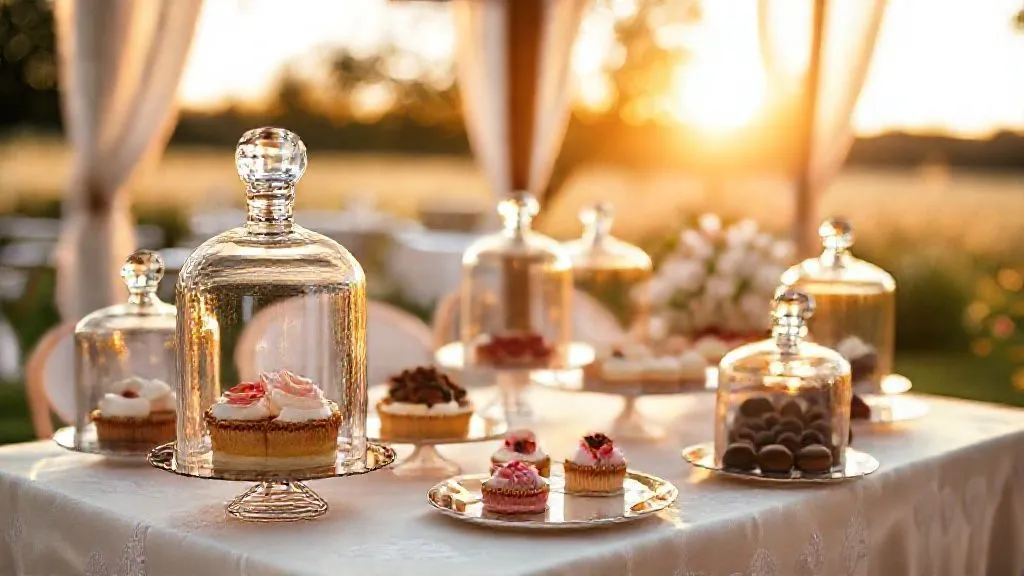
How to Ensure Delicate Wedding Desserts Stay Perfect Outdoors?
For over two decades in the vibrant world of wedding catering, I've witnessed countless breathtaking outdoor celebrations. The natural light, the fresh air, the picturesque backdrops – they all contribute to an unforgettable atmosphere. However, I've also seen the silent heartbreak when a meticulously crafted dessert display, meant to be a sweet highlight, begins to wilt, melt, or sag under the sun's relentless gaze or the embrace of humid air.
The problem is deeply relatable: you've poured your heart into planning every detail, from the floral arrangements to the menu, only to find that your dream dessert table is battling the elements. The stress of guests seeing a less-than-perfect sweet finale can cast a shadow on an otherwise flawless day. It's not just about aesthetics; it's about preserving the quality, taste, and the sheer joy these treats are meant to bring.
But fear not! In this definitive guide, I'm going to share the actionable strategies, time-tested frameworks, and expert insights I've gathered from my extensive experience. You'll learn precisely how to ensure delicate wedding desserts stay perfect outdoors, transforming potential pitfalls into opportunities for stunning, resilient displays that delight every guest, regardless of the weather.
Understanding the Enemy: The Environmental Factors at Play
Before we can conquer the challenge, we must first understand the forces working against our delicate confections. It's more than just 'heat'; it's a combination of specific environmental factors that can turn a masterpiece into a messy memory.
Heat and Humidity: The Silent Saboteurs
Heat is the most obvious culprit. It rapidly melts fats in buttercreams, chocolates, and ganaches, causing them to lose their structure and sheen. Delicate mousses and custards can separate or become runny. Humidity, often underestimated, is equally destructive. It causes sugar decorations to weep, crisp pastries to soften, and can even encourage microbial growth if temperatures are also warm. Together, they create a formidable challenge for any outdoor dessert.
Direct Sunlight and Wind: Unseen Threats
Direct sunlight isn't just about heat; its UV rays can also degrade food quality and accelerate melting. Imagine a chocolate sculpture directly under the sun – it's a recipe for disaster. Wind, while sometimes a welcome breeze, can also be detrimental. It can dry out exposed cakes, pastries, and fruits, leading to cracking or a stale texture. Furthermore, it can carry dust, pollen, and even insects onto your pristine display. Understanding these nuances is the first step in effective planning.

Strategic Dessert Selection: Building a Resilient Menu
The foundation of a successful outdoor dessert display begins with smart menu choices. Not all desserts are created equal when it comes to battling the elements.
Heat-Tolerant Dessert Choices
When I'm consulting with couples for outdoor weddings, I always steer them towards desserts with inherent stability. Think about items that thrive in slightly warmer conditions or are designed to hold their form. Here are some of my top recommendations:
- Fruit Tarts with Sturdy Crusts: Shortbread or pâte sablée crusts hold up well, especially when filled with pastry cream (stabilized with gelatin) and topped with fresh, glazed fruits. The glaze adds a protective layer.
- Macarons: These delicate French cookies are surprisingly resilient. Their meringue-based shells and ganache or jam fillings tend to hold up better than traditional buttercreams.
- Cookies and Biscotti: Classic sugar cookies, shortbread, or biscotti are excellent choices. They are naturally stable and less prone to melting or wilting.
- Mini Cheesecakes (Baked): Baked cheesecakes, particularly those with a firm texture, can endure warmer temperatures for a reasonable period, especially if kept cool prior to serving.
- Individual Panna Cotta or Mousse Cups: Served in shot glasses or small ramekins, these can be brought out closer to serving time and consumed quickly. Gelatin provides stability.
- Chocolate-Dipped Strawberries: While chocolate can melt, a good quality tempered chocolate coating can provide a protective shell for the fruit underneath, especially if kept cool.
Desserts to Avoid (or Handle with Extreme Care)
Conversely, some desserts are simply not designed for the great outdoors without extraordinary measures. These include:
- Traditional Buttercream Cakes: High fat content makes them extremely susceptible to melting and sagging.
- Meringue-Based Desserts (e.g., Pavlova, Lemon Meringue Pie): Humidity is their arch-nemesis, turning crisp meringue into a sticky mess.
- Delicate Chocolate Ganache Glazes: While delicious, these can become dull or melt very quickly in direct sun.
- Ice Cream and Sorbet: Unless you have dedicated freezer carts or an ice cream truck, these are best avoided for a stationary display.
By making informed choices from the outset, you significantly reduce the battle against the elements.
| Dessert Type | Outdoor Resilience | Key Considerations |
|---|---|---|
| Fruit Tarts | Good | Sturdy crust, stabilized pastry cream, glazed fruit. |
| Macarons | Very Good | Meringue shells hold up, avoid highly perishable fillings. |
| Buttercream Cake | Poor | Melts quickly, loses structure, highly susceptible to heat. |
| Baked Cheesecake | Moderate | Firm texture helps, needs pre-chilling and shade. |
| Meringue Desserts | Very Poor | Humidity causes weeping and stickiness, avoid entirely. |
| Panna Cotta/Mousse Cups | Moderate-Good | Gelatin stabilization is key, individual portions, serve chilled. |
The Art of Staging: Location, Shade, and Airflow
Once you've selected your resilient desserts, the next critical step is to create an environment where they can thrive. This involves thoughtful placement and strategic environmental controls.
Choosing the Perfect Spot
The location of your dessert table is paramount. Always scout the venue in advance, ideally at the same time of day as your wedding, to observe sun patterns. Look for areas that:
- Are naturally shaded by large trees or buildings.
- Are away from direct, harsh sunlight for the entirety of the display time.
- Have good airflow but are not in a direct wind tunnel that could dry out desserts or blow debris.
- Are easily accessible for guests but not in a high-traffic zone where bumps or accidental exposure could occur.
- Are relatively close to a power source if you plan to use active cooling methods.
Shading Solutions: From Tents to Umbrellas
If natural shade isn't sufficient, you must create it. This is non-negotiable for delicate desserts. Options include:
- Elegant Tents or Canopies: A dedicated tent for the dessert station provides comprehensive shade and can even offer some wind protection.
- Large Market Umbrellas: Multiple large umbrellas can be strategically positioned to cast continuous shade over the entire display.
- Fabric Draping: While beautiful, ensure the fabric is opaque enough to block direct sunlight, not just filter it.
Optimizing Airflow and Temperature Control
Even in the shade, ambient heat can be an issue. This is where active cooling comes into play. I've often advised my clients to consider:
- Discreet Fans: Small, quiet fans placed strategically under or around the table can create a gentle breeze, helping to dissipate heat and keep insects away.
- Portable Air Conditioning Units: For high-end events or extremely hot climates, a small, portable AC unit discreetly placed near the dessert station (with proper ventilation) can make a significant difference. This requires careful planning for power and aesthetics.
"Think of your dessert table as a delicate ecosystem. Your job is to engineer the perfect microclimate for its inhabitants to flourish."

Advanced Cooling Techniques: Keeping it Chill
Beyond shade and airflow, there are proactive measures you can take to keep individual desserts cool from below or within, significantly extending their pristine condition.
Chilling Plates and Serving Dishes
It sounds simple, but serving desserts on pre-chilled plates and platters can buy you crucial time. The cold ceramic or metal acts as a temporary heat sink, slowing down the melting process. Work with your caterer to ensure they have the capacity to keep servingware cold until just before display.
Hidden Cooling Elements: Ice Baths and Gel Packs
This is where ingenuity really shines. For certain desserts, you can create hidden cooling systems:
- Ice Beds: For platters of mini cheesecakes, fruit tarts, or chocolate-dipped items, create a shallow bed of crushed ice in a larger, decorative serving dish or container. Place the dessert platter directly on top. Ensure the ice is contained to prevent water runoff.
- Gel Packs: Reusable freezer gel packs can be discreetly placed under display platters or within decorative containers. These are less messy than ice and offer a sustained cooling effect.
- Insulated Containers: Keep backup desserts, or even the main display items until just before serving, in high-quality insulated coolers with gel packs.
Refrigerated Display Cases and Chillers
For the ultimate protection, especially for very delicate items or extended display times, consider renting professional refrigerated display cases. These are often used by high-end caterers and can be beautifully integrated into the decor. They offer complete temperature control, ensuring your desserts remain perfectly chilled and protected from insects and dust. While an investment, they guarantee peace of mind.
Case Study: The Lakeside Wedding Challenge
I recall a particularly challenging wedding for a client, Sarah and Tom, whose dream was a beautiful lakeside ceremony in late summer. The venue was stunning, but the humidity was notoriously high, and direct sun was unavoidable for part of the afternoon. Their caterer, working closely with me, implemented a multi-pronged approach. First, they opted for a menu rich in macarons, sturdy fruit tarts, and individual panna cotta cups. Second, a chic, open-sided marquee provided ample shade. Crucially, they utilized custom-built, decorative risers for the dessert table. These risers had hidden compartments underneath, filled with dry ice and gel packs, creating a continuous cold draft that kept the desserts pristine. Furthermore, the panna cotta cups were only brought out in small batches from a refrigerated truck just minutes before guests approached. The result? Every dessert remained perfect, prompting rave reviews from guests and a huge sigh of relief from the couple. This demonstrated how a combination of strategic selection, environmental control, and active cooling can overcome even the toughest conditions.
Timing is Everything: The Service Strategy
Even with the best cooling measures, prolonged exposure is the enemy. A smart service strategy can make all the difference in how to ensure delicate wedding desserts stay perfect outdoors.
Delayed Presentation: The Grand Reveal
My golden rule for outdoor desserts: bring them out as late as possible. Instead of having the dessert table set up for the entire reception, coordinate with your caterer to unveil it closer to the actual serving time. This might be immediately after dinner, or just before the cake cutting. This minimizes exposure to heat, humidity, and insects, ensuring that when guests finally see and taste them, they are at their absolute best.
Phased Service: Replenishing as Needed
For larger weddings or longer dessert service windows, consider a phased approach. Instead of placing all desserts out at once, keep a significant portion in a chilled, safe location (e.g., a refrigerated kitchen, a cooler with gel packs). As desserts are consumed, have staff replenish the display with fresh, perfectly chilled items. This ensures a continuously fresh and appealing presentation.
Staffing and Monitoring: A Vigilant Eye
Assign a dedicated member of the catering staff (or even a wedding planner assistant) to monitor the dessert table. Their role is crucial:
- To ensure cooling elements are still effective (replacing ice/gel packs if needed).
- To tidy the display, removing any crumbs or smudges.
- To observe the desserts for any signs of wilting or melting and take corrective action or remove affected items promptly.
- To replenish desserts from the chilled backup supply.
Protective Measures and Presentation Hacks
Beyond cooling, physical barriers and clever presentation can further safeguard your sweet treats and elevate their appeal.
Cloches, Domes, and Food Covers
These are your best friends for outdoor dessert displays. Elegant glass cloches or clear acrylic domes not only protect desserts from insects, dust, and light breezes but also create a stunning visual effect, hinting at the preciousness within. Individual dessert cups with lids are also excellent for protection and ease of serving. They add a layer of sophistication while serving a practical purpose.
Edible Barriers: Glazes and Coatings
While not a foolproof solution, certain edible glazes and coatings can offer a minor degree of protection. For instance, a thin layer of neutral glaze on fruit tarts can help prevent the fruit from drying out or discoloring. A well-tempered chocolate coating on individual items can create a stable shell that holds up better than exposed fillings. Discuss these options with your baker.
Presentation that Prioritizes Preservation
Individual portions are often more resilient than large, uncut cakes or pies. They have less exposed surface area and are easier to manage. Consider mini dessert cups, individual tarts, or boxed cookies. This approach also makes serving more hygienic and efficient for guests. For more insights on outdoor wedding planning, including food considerations, I often refer to trusted resources like Brides.com's guide to outdoor weddings.

The Vendor Partnership: Communicating for Success
Your wedding dessert success hinges significantly on the expertise and collaboration of your chosen vendors. This isn't a task to tackle alone.
Choosing the Right Caterer/Baker
When selecting your dessert vendor, ask specific questions about their experience with outdoor events. Do they have contingency plans for heat? What cooling equipment do they typically use? Do they offer dessert options specifically designed for outdoor resilience? A vendor with a proven track record in outdoor settings will be invaluable.
Detailed Site Visits and Planning Meetings
Insist on a site visit with your caterer or baker, or at least provide them with detailed photos and information about the exact location of the dessert display. Discuss the expected weather conditions, sun exposure, and any potential challenges unique to your venue. Transparency and proactive communication are key.
Clear Communication of Expectations and Contingencies
Ensure your contract clearly outlines the vendor's responsibilities regarding dessert setup, maintenance, and breakdown for an outdoor event. Discuss backup plans for extreme weather (e.g., unexpected rain, a sudden heatwave). What happens if desserts start to melt? Who is responsible for monitoring and replenishing? Clear expectations prevent last-minute crises.
Contingency Planning: Always Have a Backup
Even with the most meticulous planning, nature can be unpredictable. Having a solid contingency plan is your ultimate safety net for how to ensure delicate wedding desserts stay perfect outdoors.
"Plan B" Desserts
Discuss with your baker the possibility of having a small batch of extremely robust, non-perishable desserts on standby. Think individually wrapped cookies, brownies, or even a selection of gourmet candies. These can serve as a backup if the primary delicate desserts face an unexpected challenge. It's better to have a simple, perfect dessert than a complex, compromised one.
Emergency Cooling Supplies
Ensure your caterer or wedding planner has easy access to emergency cooling supplies. This could include extra bags of ice, additional gel packs, clean towels for wiping condensation, and even a large, insulated cooler on standby. Quick thinking and readily available resources can often mitigate minor issues before they become major problems. For best practices on food safety and temperature control, resources like FoodSafety.gov provide crucial guidelines.
Designated "Safe Zone" for Desserts
Identify an indoor, air-conditioned space at your venue that can serve as a temporary "safe zone" for desserts. This could be a bridal suite, a back room, or the venue's kitchen. If conditions become unexpectedly harsh, or if there's a delay in service, you'll have a secure, climate-controlled place to move your delicate treats.
Frequently Asked Questions (FAQ)
Q: What's the absolute worst dessert for an outdoor wedding in a hot climate? In my experience, a large, multi-tiered cake covered entirely in traditional American buttercream is the riskiest choice for a hot, humid outdoor wedding. Its high butter content makes it extremely prone to melting, sagging, and losing its intricate decorations very quickly. Delicate meringues like pavlova would also be a close second due to humidity.
Q: Can I use dry ice for cooling my dessert display? What are the precautions? Yes, dry ice can be very effective for cooling, but it requires extreme caution. It's best used by professionals. It must never come into direct contact with food or skin, as it can cause freezer burn. It also releases carbon dioxide, so adequate ventilation is necessary. It should be placed in a separate container underneath the display, not directly on the table, and handled with gloves. Always consult your caterer or venue regarding its safe use.
Q: How far in advance should desserts be delivered for an outdoor event? Ideally, delicate desserts should be delivered as close to the serving time as possible. I generally recommend delivery no more than 1-2 hours before they are scheduled to be displayed, and they should be immediately moved to a cool, controlled environment (like a refrigerated prep area) until deployment. This minimizes their exposure to ambient conditions.
Q: What if there's an unexpected heatwave on the wedding day? This is precisely why contingency planning is vital. If an unexpected heatwave hits, communicate immediately with your caterer and wedding planner. They should be prepared to activate "Plan B" protocols: maximizing shade, deploying all available cooling elements (fans, ice baths, gel packs), potentially moving the dessert display indoors if a suitable space is available, or relying more heavily on the most heat-resilient items. Sometimes, a simpler, sturdier display is the best solution.
Q: Are there any specific ingredients that help desserts last longer in heat? Yes, certain ingredients and techniques enhance stability. Gelatin is crucial for stabilizing mousses, custards, and panna cotta. High-quality tempered chocolate creates a more stable coating than untempered chocolate. Certain types of shortening or vegetable fats can be used in some frostings to increase heat stability, though this can affect flavor and texture. For pastries, a good sturdy crust with a low moisture content will fare better. Discuss these technical aspects with an experienced pastry chef.
Key Takeaways and Final Thoughts
Ensuring your delicate wedding desserts stay perfect outdoors is an achievable feat, not a pipe dream. It requires forethought, strategic choices, and a collaborative spirit with your vendors. Here's a quick recap of the critical strategies:
- Choose Wisely: Prioritize heat-tolerant desserts like macarons, sturdy fruit tarts, and baked cheesecakes.
- Shade is Non-Negotiable: Always position your dessert table in ample shade, whether natural or created with tents/umbrellas.
- Active Cooling is Your Friend: Utilize hidden ice beds, gel packs, fans, or even professional refrigerated displays.
- Timing is Everything: Bring desserts out as late as possible and replenish in phases.
- Protect and Present: Use cloches, domes, and individual portions to safeguard your treats.
- Partner with Experts: Work closely with experienced caterers and bakers who understand outdoor challenges.
- Always Have a Backup: Plan for contingencies like unexpected weather or delays.
Your wedding day is a celebration of love, and every detail, down to the last sweet bite, should reflect that joy. By applying these expert strategies, you're not just protecting your desserts; you're safeguarding a cherished memory. Trust in the planning, enjoy the process, and revel in the delight of a perfectly presented, delicious dessert spread that defies the elements. For more on culinary stability and preservation, I find the insights from institutions like The Culinary Institute of America invaluable.
Recommended Reading
- Damaged Wedding Decor? 7 Urgent Steps for Your Reception Day Crisis
- 7 Secrets: Style Your Vintage Wedding Dress for a Modern Bridal Look
- Unlock the Secret: How to Choose Seeds for Wedding Favors That Grow
- 5 Clever Ways to Source Unique Local Wedding Favors Under $5 Per Guest
- Registry Reroute: 7 Gentle Ways to Guide Bridal Shower Guests



Comments
Leave a comment below. Your email will not be published. Required fields marked with *