


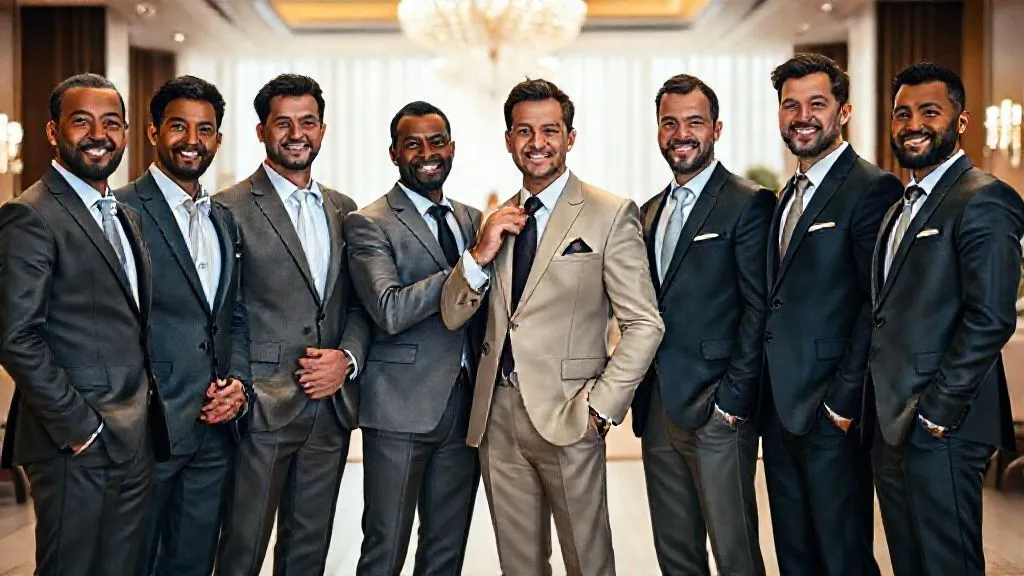
How to Unify Groomsmen Attire Across Varying Budgets and Locations?
For over 15 years in the wedding industry, specializing in groom and groomsmen attire, I've witnessed firsthand the unique challenges that arise when planning a modern wedding. One of the most persistent, and often underestimated, hurdles is coordinating the groomsmen's look. It's a common scenario that can quickly turn a fun planning task into a logistical nightmare.
The root of this problem typically lies in two major factors: diverse budgets among your wedding party and the geographical spread of your groomsmen. Some might be comfortable investing in a custom suit, while others need a budget-friendly rental. Some live locally, making fittings easy, while others are across continents, requiring remote solutions. These disparities can lead to a disjointed look, unnecessary stress for the couple, and even tension among the wedding party.
This definitive guide is designed to cut through that complexity. I'll share expert strategies, actionable frameworks, and real-world insights I've gathered over years of experience. You'll learn not just how to unify groomsmen attire across varying budgets and locations, but how to do so with grace, efficiency, and a touch of sartorial flair, ensuring your wedding photos reflect a perfectly cohesive and stylish groom squad.
Understanding the Core Challenge: Budget & Geography
Before we dive into solutions, it's crucial to fully grasp the nuances of the challenges. It's more than just knowing someone has less to spend or lives far away; it's about anticipating the ripple effects these factors create.
The Budget Divide: More Than Just Money
The financial aspect is rarely just about the dollar amount. It touches upon personal comfort levels, existing wardrobes, and even a sense of obligation. Some groomsmen might already own a perfectly suitable suit in a desired color, while others might view any new purchase or rental as a significant expense they hadn't budgeted for. Forcing a specific, high-cost item can lead to resentment or financial strain, detracting from the joyous occasion.
Long-Distance Logistics: Bridging the Miles
When groomsmen are scattered across different cities, states, or even countries, traditional in-person fittings become impossible. This introduces complexities like accurate self-measurements, shipping costs, potential customs delays, and the challenge of coordinating returns or exchanges. The lack of a unified fitting experience can lead to inconsistent sizing, last-minute alterations, and significant stress as the wedding day approaches.
Key Insight: "The secret to unifying is not uniformity, but harmony. Focus on elements that blend rather than mandate identical pieces."
Strategy 1: The 'Foundation First' Approach – Defining the Core Look
The first step in achieving a cohesive look, regardless of budget or location, is to establish a clear, non-negotiable foundation. This foundation serves as the guiding principle for all groomsmen, allowing for flexibility within a defined framework.
1. Define the Formality Level: Is it black-tie, semi-formal, cocktail, or casual? This dictates the type of attire (tuxedo, suit, sport coat, etc.).
2. Establish the Core Color Palette: Choose one primary color for the main garments (e.g., navy, charcoal grey, tan) and 1-2 accent colors for accessories. This is your anchor.
3. Specify Key Fabric Characteristics: While you don't need to mandate a specific brand, you can specify fabric types (e.g., "wool blend," "linen for a summer wedding") or a finish (e.g., "matte finish, no sheen"). This ensures visual consistency in texture.
4. Outline Essential Style Elements: For suits, specify lapel type (notch, peak), number of buttons (two-button is universal), and general fit (slim, classic). These details are crucial for a unified silhouette.

According to a study published by The Knot, couples who clearly communicate their wedding vision early on experience significantly less stress during the planning process. This applies directly to groomsmen attire; a well-defined foundation eliminates guesswork and empowers your groomsmen to make informed choices that align with your vision.
Strategy 2: The 'Component-Based' Unification Model
Once your foundation is set, the next step is to identify specific components that can be either shared or universally matched, allowing for individual flexibility elsewhere. This is where the magic of unifying really happens.
The Power of the Shared Element: Ties, Pocket Squares, or Boutonnieres
This is often the simplest and most cost-effective way to achieve immediate visual cohesion. By providing or specifying a single unifying accessory, you instantly tie together disparate outfits. The groom can purchase these items as a gift for his groomsmen, making it an easy win.
Example: "All groomsmen wear a charcoal grey suit of their choice, but the groom provides matching dusty blue ties and white linen pocket squares."
The 'Core Item, Personal Choice' Method: Same Suit Color, Different Brands/Fits
This strategy is particularly effective for how to unify groomsmen attire across varying budgets and locations. You specify the *color* and *type* of the main garment (e.g., "navy blue two-piece suit") but allow groomsmen to source it from a rental company, purchase off-the-rack, or even use an existing suit. The key is to provide clear visual examples and fabric swatches.
Case Study: How David & Sarah Achieved Cohesion with Varying Budgets
David and Sarah faced the classic challenge: groomsmen scattered across three states, with budgets ranging from "student loan tight" to "comfortable." Instead of mandating a specific (and expensive) suit, David provided a clear guideline: "Charcoal grey, two-button, notch lapel suit." He then offered three options:
- Rental: Recommended a national rental chain with locations near most groomsmen, providing a specific style number.
- Purchase (Budget-Friendly): Suggested a particular line from a popular department store known for affordable, well-fitting suits.
- Existing Suit: Encouraged groomsmen to use an existing charcoal suit if it matched the specified style and shade.
To unify further, David purchased matching burgundy ties and silver tie clips for all groomsmen. The result was a cohesive, elegant look that respected everyone's financial situation and logistical constraints. Their wedding photos show a perfectly synchronized, stylish group, a testament to thoughtful planning.
| Option | Pros | Cons | Budget Guide |
|---|---|---|---|
| Suit Rental (National Chain) | Cost-effective, easy returns, consistent look | Limited styles, potential for poor fit | $150-$250 |
| Off-the-Rack Purchase (Department Store) | Own the suit, more fit options, often good value | Requires tailoring, initial outlay higher | $300-$600 |
| Existing Suit | Free, sustainable, comfortable | May not perfectly match, requires careful vetting | $0 |
| Custom/Made-to-Measure | Perfect fit, high quality, unique style | Most expensive, longer lead time | $700+ |
Strategy 3: Leveraging Technology for Remote Coordination
In our increasingly connected world, technology offers powerful solutions for how to unify groomsmen attire across varying budgets and locations, especially when distance is a factor. Embrace these tools to streamline communication and ensure consistency.
Virtual Measurement & Styling Consultations
Many modern suit rental and custom suit companies now offer virtual fitting services. Groomsmen can take their own measurements following guided instructions (often via video call) and receive personalized sizing advice. Some services even provide virtual stylists who can review existing suits or guide groomsmen through purchase options.
Actionable Steps for Virtual Fittings:
- Choose a Reputable Service: Research companies that specialize in virtual fittings or offer robust online measurement guides.
- Provide Clear Instructions: Share detailed step-by-step guides or video tutorials on how to take accurate measurements.
- Schedule Group Video Calls: Host a group call where everyone can measure together, asking questions and getting real-time feedback.
- Utilize Photo Submissions: Ask groomsmen to send photos of themselves in their chosen attire (or similar items) for review and approval.
Shared Digital Mood Boards & Communication Hubs
Platforms like Pinterest, Trello, or even dedicated WhatsApp/Slack groups can be invaluable. Create a shared mood board with specific examples of the desired look, including different suit brands that fit the aesthetic, accessory options, and even inspirational photos. This visual consistency helps everyone understand the vision.
A centralized communication hub allows for easy Q&A, sharing updates, and posting reminders. This minimizes confusion and ensures everyone has access to the same information, regardless of their time zone.
For more insights on leveraging technology in wedding planning, explore resources like Forbes' coverage on wedding tech trends.
Strategy 4: The 'Rental vs. Purchase' Conundrum & Smart Solutions
Deciding between renting and purchasing is a core decision that impacts both budget and logistics. My experience tells me there's no single right answer, but rather a strategic approach to each.
Navigating Rental Services for Consistency
National rental chains can be a godsend for groomsmen scattered geographically. They offer standardized inventory, allowing groomsmen to pick up and return their attire at various locations. This ensures a consistent look in terms of color and style. However, fit can sometimes be a gamble, as garments are off-the-rack and may require last-minute adjustments.
Tips for Rental Services:
- Book Early: Especially for popular wedding seasons, to ensure availability of sizes and styles.
- Utilize "Try-On" Programs: Many services offer home try-ons, which is excellent for remote groomsmen.
- Communicate Specifics: Provide the exact rental style number or name to ensure everyone gets the same item.
Smart Purchasing: Group Discounts & Off-the-Rack Options
If purchasing is preferred, either for cost-effectiveness or the desire for groomsmen to own a versatile suit, explore group discounts. Many retailers offer significant savings for multiple purchases. Off-the-rack suits, especially from fast-fashion retailers or department stores, can be surprisingly stylish and affordable, though they almost always require tailoring for a perfect fit.
Expert Tip: "Always have a 'look book' with examples for your groomsmen, regardless of their choice. Include photos of the desired suit color, tie knot, shoe style, and even sock color. This visual aid is priceless."
Strategy 5: Accessory Alignment – The Unifying Details
While the main garments form the bulk of the look, it's the accessories that truly polish and unify the ensemble. These smaller details are often easier to standardize and can make a significant impact on cohesion.
Shoes, Belts, and Socks: The Often-Overlooked Unifiers
These elements are frequently left to individual choice, leading to a mismatched appearance. Specifying guidelines for shoes (e.g., "brown leather Oxfords," "black dress shoes"), belts (e.g., "to match shoes"), and even socks (e.g., "solid navy," "fun but subtle pattern") can bring an unexpected level of polish.
Pro Tip: Consider gifting matching socks to your groomsmen. It's a fun, affordable, and practical way to ensure a subtle, unified detail, especially for those candid wedding day photos.
Personal Touches vs. Cohesive Look: Finding the Balance
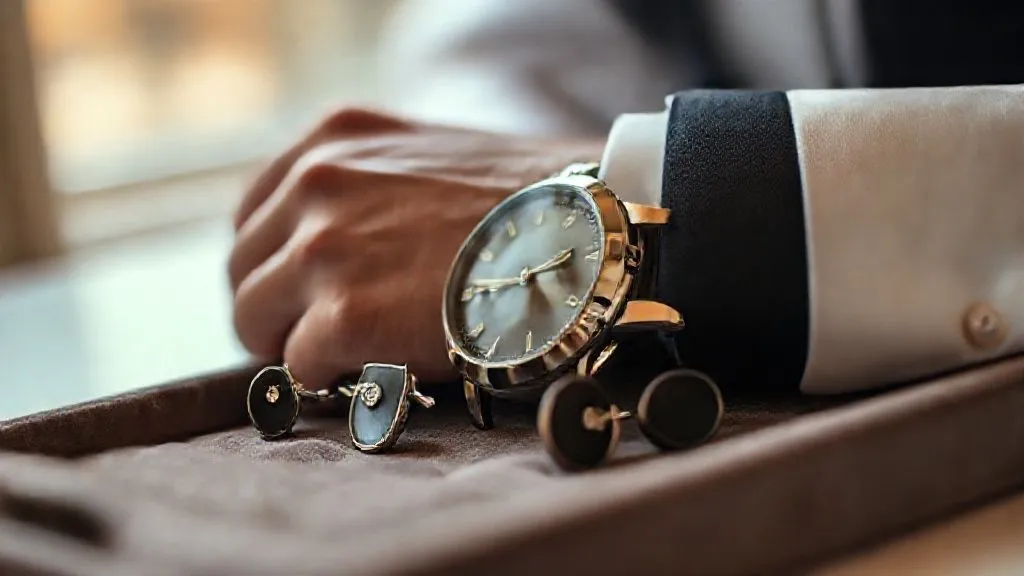
While unity is key, you might want to allow for some personal expression. This can be achieved through subtle choices like different tie knots, unique cufflink designs (if the shirt allows), or even different watch styles. The balance lies in ensuring these personal touches don't detract from the overall desired aesthetic.

Strategy 6: Clear Communication & Setting Expectations
The success of unifying groomsmen attire, especially when dealing with diverse budgets and locations, hinges on crystal-clear communication. Don't assume; articulate every detail.
The Groomsmen Attire Guide: Your Essential Document
Create a comprehensive, easy-to-understand guide for each groomsman. This can be a simple PDF or a dedicated page on your wedding website. This document is your single source of truth for all attire-related information.
What to Include in Your Guide:
- The Vision: A brief description of the wedding's formality and overall aesthetic.
- Core Attire Requirements: Specifics on suit color, style (e.g., 2-button, notch lapel), and desired fabric.
- Approved Options: List recommended rental companies, retail stores, or guidelines for using an existing suit. Include links and style numbers.
- Accessory Details: Instructions for ties, pocket squares, shoes, belts, and socks. Specify if items are provided.
- Measurement Instructions: Guidance on self-measurement or where to get professionally measured.
- Key Dates: Deadlines for ordering, fittings, and final attire approval.
- Contact Person: Designate a point person for questions (often the Best Man or a wedding planner) to shield the couple.
- Budget Expectations: Clearly state who is responsible for which costs.
Designating a Point Person (Beyond the Groom)
While the groom sets the vision, having a dedicated point person (the Best Man, a trusted friend, or your wedding planner) to field questions and manage logistics can save immense stress. This person can track progress, remind groomsmen of deadlines, and address minor issues, allowing the groom to focus on other wedding preparations.
Establishing clear communication channels and setting expectations early helps manage the varying dynamics of your wedding party. For further reading on wedding party communication best practices, consider reputable sources like Brides.com's guide to groomsmen duties.
Strategy 7: Contingency Planning & Troubleshooting Common Issues
Even with the best planning, unforeseen issues can arise. Having a contingency plan in place is crucial for a smooth and stress-free wedding day. I've seen countless last-minute scrambles that could have been avoided with a little foresight.
What to Do When Budgets Don't Align
Despite your best efforts, one or two groomsmen might genuinely struggle with the cost. Approach this with empathy. Here are some solutions:
- Offer to Subsidize: If feasible, the couple might offer to cover a portion of the rental or purchase cost for those in need.
- Explore Alternatives: Can they wear a similar colored vest and trousers instead of a full suit?
- Revisit Rental Options: Are there even more budget-friendly rental options available?
Last-Minute Fit Issues & Travel Woes
A suit that fit perfectly during a fitting might feel off on the day, or a traveling groomsman's luggage might get delayed. Being prepared for these eventualities is key.
- Emergency Kit: Assemble a "groomsmen emergency kit" with items like a travel steamer, lint roller, extra buttons, safety pins, and a basic sewing kit.
- Local Tailor Contacts: For traveling groomsmen, research a few highly-rated local tailors near the venue who can handle last-minute alterations. Share these contacts in your guide.
- Backup Plan: Have a backup shirt or tie ready, just in case.
"Preparation doesn't guarantee perfection, but it certainly minimizes panic. Anticipate potential snags and have solutions ready."

Frequently Asked Questions (FAQ)
Q: What if a groomsman absolutely refuses to wear the agreed-upon attire? A: This is a delicate situation. First, understand their reason. Is it comfort, cost, or personal style? If it's cost, revisit the budget solutions. If it's a strong personal preference that deviates significantly, you might need to have a candid conversation about the importance of a cohesive look for your wedding vision. Ultimately, it's your day, but empathy and clear communication are paramount. If a compromise can't be reached, you might need to decide if their participation is more important than the attire uniformity.
Q: How far in advance should we start coordinating groomsmen attire? A: I recommend starting the conversation about 6-8 months before the wedding. This gives ample time for research, decision-making, communication with all groomsmen (especially those far away), ordering rentals or purchases, and allowing for any necessary alterations. For custom suits, add another 2-3 months.
Q: Is it okay to ask groomsmen to pay for their own attire, even if it's expensive? A: It is traditional for groomsmen to cover the cost of their attire. However, the expectation should align with the affordability of the group. If you're requesting a very expensive suit or tuxedo, it's a kind gesture (and often necessary) to offer to cover a portion of the cost, or at least provide very budget-friendly options. Transparency about costs upfront is key.
Q: How can we ensure consistency in color if some rent and some buy? A: This is a common challenge. Requesting fabric swatches from both rental companies and retail stores is crucial. Compare them in natural light. For very specific colors like "dusty blue" or "forest green," it might be safer to provide a unifying accessory (like ties or pocket squares) that you source centrally, rather than hoping for a perfect match across different vendors.
Q: What's the best way to handle international groomsmen? A: For international groomsmen, lean heavily on technology. Schedule video calls for virtual measurements and styling advice. Provide extremely detailed visual guides. Consider using a national rental chain with international partners, or if they are purchasing, give them very specific brand/style recommendations that might be available globally. Factor in extra time for shipping and potential customs issues.
Key Takeaways and Final Thoughts
- Start Early & Define Your Foundation: Establish your core color, formality, and style elements well in advance.
- Embrace Component-Based Unification: Use shared accessories or a common main garment color to tie everything together.
- Leverage Technology: Utilize virtual tools for measurements and communication, especially for remote groomsmen.
- Communicate, Communicate, Communicate: Create a comprehensive attire guide and designate a point person to field questions.
- Plan for Contingencies: Anticipate budget disparities and last-minute issues with empathy and practical solutions.
Coordinating groomsmen attire across varying budgets and locations doesn't have to be a source of stress. With a strategic approach, clear communication, and a touch of empathy, you can achieve a sophisticated, cohesive look that perfectly complements your wedding vision. Remember, the goal is to celebrate your special day with your closest friends looking and feeling their best, seamlessly integrated into the joyous occasion. Trust in these strategies, and you'll not only unify their attire but also foster a sense of camaraderie and shared excitement leading up to your walk down the aisle.
Recommended Reading
- Urgent Favor Cuts? 5 Smart Ways to Personalize Weddings on a Dime
- 7 Gentle Ways: How to Politely Decline an Overly Extravagant Wedding Gift
- 7 Expert Strategies: Solving Mother of the Bride's Modern Style & Fit Dilemmas
- 6 Critical Steps: Prevent Groom Cake Collapse During Delivery
- Damaged Wedding Favors? 7 Steps to Fix Incorrect Personalized Gifts



Comments
Leave a comment below. Your email will not be published. Required fields marked with *