


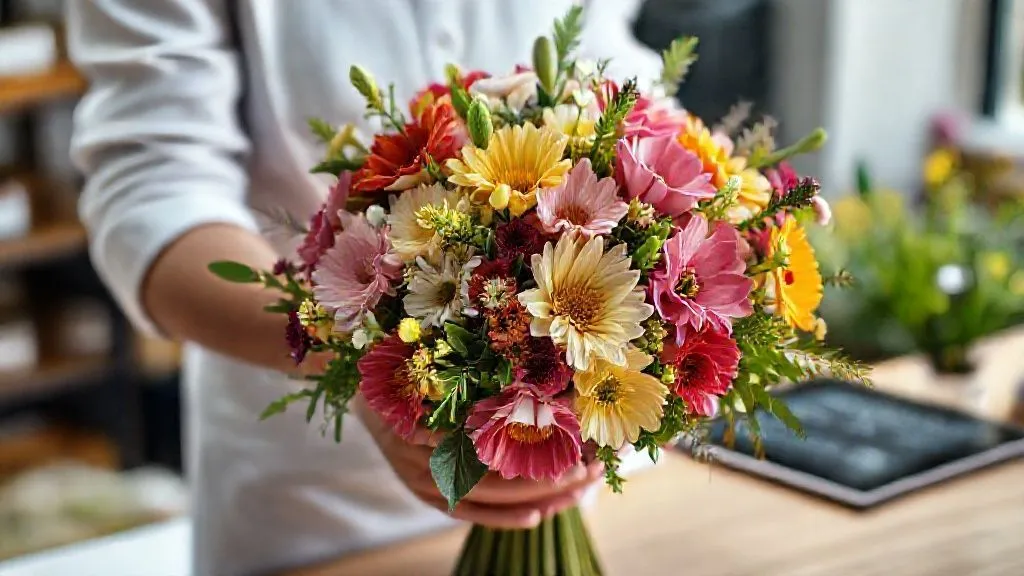
How to Predict and Profit from Emerging Floral Trends?
For over two decades in the vibrant, ever-evolving world of wedding floristry, I've witnessed firsthand how businesses either flourish or falter based on their ability to anticipate and adapt. The landscape of bridal aesthetics is a dynamic one, constantly reshaped by cultural shifts, digital influences, and global events.
Many talented florists find themselves perpetually playing catch-up, reacting to trends rather than leading them. This reactive approach often leads to wasted inventory, missed opportunities for premium bookings, and the frustrating feeling of being just another vendor in a crowded market.
In this definitive guide, I will share my battle-tested framework for not just spotting the next big thing in wedding flowers, but strategically leveraging that foresight. We'll explore actionable methodologies, real-world insights, and practical steps to help you predict and profit from emerging floral trends, ensuring your business remains at the cutting edge.
The Shifting Sands of Wedding Floristry: Why Trends Matter More Than Ever
The wedding industry, particularly floral design, is highly susceptible to the winds of change. What was cutting-edge last season can feel dated remarkably quickly today, thanks in large part to the pervasive influence of social media.
Modern couples are more informed and visually sophisticated than ever before, drawing inspiration from global sources and expecting their florists to be well ahead of the curve. Staying current isn't just about aesthetics; it's about maintaining a competitive edge and attracting your ideal clientele.
“In a world where trends move at lightning speed, anticipation isn't a luxury; it's a necessity for survival and growth in the floral business. Those who can foresee will lead.”
Ignoring emerging trends means risking irrelevance and a shrinking market share. It’s about understanding the desires of tomorrow’s brides today, and positioning your offerings to meet those aspirations before anyone else.
Unearthing Tomorrow's Blooms: My 5-Step Trend Prediction Framework
Over my years in the industry, I've refined a systematic approach to trend forecasting that moves beyond mere observation. This framework empowers florists to become proactive trendsetters rather than passive trend followers.
Step 1: The Digital Deep Dive – Social Listening & Analytics
The internet, particularly visual platforms, is an unparalleled reservoir of nascent trends. This is where the seeds of future styles are often first sown and nurtured by early adopters.
I advise my mentees to dedicate specific time each week to truly *listen* on these platforms, not just post. Look for patterns, recurring motifs, and spikes in engagement around certain aesthetics or flower types.
- Monitor Key Platforms: Regularly explore Pinterest, Instagram, TikTok, and popular wedding blogs. Pay attention to pins, saves, shares, and comment sentiment.
- Follow Trend-Focused Accounts: Identify and follow leading wedding planners, luxury floral designers, fashion houses, and interior design influencers. They often set broader aesthetic precedents.
- Utilize Hashtag Tracking: Use tools (even simple Instagram searches) to monitor emerging hashtags related to wedding aesthetics, specific flower varieties, or color palettes. Look for increasing usage and engagement.
- Analyze Engagement Metrics: Observe which types of posts receive the most likes, comments, and saves. This indicates genuine interest and resonance with your target audience.
This disciplined approach to digital observation provides invaluable early indicators. It's about seeing the ripple before it becomes a wave, giving you a crucial head start.

Step 2: Decoding Macro Trends – Beyond the Petals
Floral trends rarely exist in a vacuum; they are often reflections of larger societal and cultural movements. Understanding these macro trends provides a foundational context for predicting shifts in floral preferences.
Consider broad themes like sustainability, wellness, nostalgia, technological integration, or a return to nature. These overarching narratives inevitably seep into wedding aesthetics, influencing everything from venue choices to floral styles.
For instance, the growing emphasis on sustainability has directly fueled the popularity of locally sourced, seasonal flowers and foam-free mechanics. Similarly, a societal push for authenticity translates into more natural, garden-style arrangements. I often recommend exploring reports from design agencies or publications like WGSN or Pantone's Color of the Year as excellent starting points.
Step 3: Supplier & Partner Intelligence – Your Ear to the Ground
Your network of growers, wholesalers, and fellow event professionals are invaluable sources of pre-market intelligence. They are often the first to see new varieties, discover supply chain shifts, or hear about specific client demands.
Cultivate strong relationships with your suppliers. Ask them about upcoming flower releases, what's proving popular with other florists, or any new color trends they're observing in the wider market. Their insights can be surprisingly predictive.
“Your growers and wholesalers are the unsung heroes of trend forecasting. Their inventory is often the earliest indicator of what's about to bloom into popularity.”
Similarly, wedding planners and venue managers interact with hundreds of couples each year. Their cumulative experience offers a unique perspective on evolving client desires and emerging aesthetic preferences.
Step 4: The Influencer & Industry Guru Watch
Beyond broad social media monitoring, identify the specific tastemakers and thought leaders within the wedding and floral design space. These individuals often have a powerful voice and can accelerate the adoption of new styles.
Follow prominent floral designers whose work pushes boundaries, renowned wedding photographers who capture cutting-edge aesthetics, and influential wedding magazine editors. Their published work and social feeds are often a preview of what's to come.
Attend industry conferences, virtual summits, and workshops. These events not only offer learning opportunities but also provide a platform to observe emerging styles and network with those at the forefront of innovation.
Step 5: Client Feedback Loop – Asking the Right Questions
Your existing and prospective clients are a direct line to understanding evolving preferences. Don't just show them your portfolio; engage them in deeper conversations about their aspirations, inspirations, and even their 'dream' flowers or aesthetics.
During consultations, go beyond basic questions. Ask about their overall vision for the day, the feeling they want to evoke, and any unexpected sources of inspiration they've encountered. Sometimes, a casual comment can reveal a nascent trend.
Consider implementing brief, anonymous surveys for past clients to gather feedback on what they loved, what they wished for, and what they're seeing among their friends. This direct input is gold for understanding demand.
Translating Foresight into Profit: Strategic Adaptation
Predicting trends is only half the battle; the real magic lies in strategically adapting your business to capitalize on that foresight. This involves smart product development, savvy pricing, and targeted marketing.
Product Development & Inventory Management
Once you've identified an emerging trend, the next step is to integrate it into your offerings without overcommitting. Start small, perhaps with a styled shoot or a few 'trend-inspired' bouquet options.
For perishable goods like flowers, careful inventory management is paramount. I've seen too many florists buy in bulk on a hunch only to have unsold, wilting stock. Focus on sourcing strategically and building relationships with growers who can provide smaller, trend-specific quantities on demand.
| Trend Confidence Level | Inventory Allocation | Marketing Focus |
|---|---|---|
| High (Proven) | 25-30% of core stock | Prominent, core offering |
| Medium (Emerging) | 10-15% for trials/samples | Featured in styled shoots, custom proposals |
| Low (Niche/Fad) | 5% or on-demand only | Special requests, limited edition designs |
This structured approach helps you experiment with new floral trends while minimizing financial risk. It allows for agile response to market shifts.
Pricing for Perceived Value
Emerging trends often carry a higher perceived value, especially if they involve unique, harder-to-source varieties or innovative design techniques. Don't be afraid to price your on-trend offerings to reflect this exclusivity.
Position these designs as premium, bespoke options. Clearly articulate the value of using cutting-edge florals or unique arrangements that set a wedding apart. Your expertise in forecasting and sourcing becomes part of the value proposition.
Educate your clients about why certain trending flowers or design elements might command a higher price point due to seasonality, rarity, or specialized care. This transparency builds trust and justifies your pricing.
Marketing & Branding Alignment
Your marketing efforts must clearly communicate your expertise in current and emerging trends. Update your website portfolio, social media feeds, and consultation materials to prominently feature designs that embody the latest styles.
Use compelling imagery and descriptive language that speaks to the aspirations of trend-conscious couples. Consider creating specific 'trend reports' or blog posts (like this one!) that showcase your understanding and offerings.
Align your brand identity with your forward-thinking approach. If you're consistently showcasing innovative designs and new floral varieties, you'll naturally attract clients who value that modern aesthetic. For more on brand alignment, I often refer to resources like Harvard Business Review's branding insights.
Case Study: "Blossom & Thrive" – A Journey from Follower to Leader
How Blossom & Thrive Revolutionized Their Floral Business
Let me tell you about Sarah, the owner of "Blossom & Thrive," a mid-sized floral studio that, five years ago, was struggling to differentiate itself. Sarah felt like she was always a step behind, her designs looking 'nice' but rarely 'wow,' and her client bookings were stagnant.
After attending one of my workshops, Sarah committed to implementing the 5-step trend prediction framework. She began dedicating two hours every Monday morning to her "digital deep dive," meticulously tracking Pinterest saves for unconventional color palettes and new flower forms. She also started having structured conversations with her main wholesaler, asking about new imported varieties and their anticipated availability.
Within six months, Sarah identified a nascent trend towards 'dried and preserved floral accents' combined with fresh blooms – a look that hadn't yet saturated the market. She invested conservatively in a few unique dried elements, created stunning styled shoots featuring these designs, and subtly introduced them into her client proposals. She also adjusted her pricing to reflect the uniqueness and longevity of these hybrid arrangements.
The results were transformative. "Blossom & Thrive" became known as the go-to studio for this innovative style. Her bookings increased by 40% in the following year, and her average order value saw a significant bump as clients were willing to pay a premium for her trend-forward designs. Sarah not only predicted a trend but actively shaped its adoption within her local market, moving from a follower to a respected leader.
Navigating the Pitfalls: Common Mistakes to Avoid
While the rewards of trend prediction are significant, there are also common traps that florists fall into. Avoiding these can save you time, money, and your reputation.
- Blindly Chasing Every Fad: Not every fleeting trend is worth pursuing. Some are too niche, too expensive, or simply don't align with your brand. Discern between a genuine trend and a temporary fad.
- Ignoring Your Brand Identity: Your business has a unique voice and aesthetic. Don't compromise your core brand values just to jump on a trend that doesn't feel authentic to you.
- Underestimating Lead Times: New flower varieties or specific colors might have limited availability or require longer ordering periods. Research sourcing logistics before promising a trend-driven design.
- Over-investing in Unproven Concepts: Start small and test the waters. Don't commit significant capital to new inventory or marketing until you have some data validating the trend's appeal to your specific clientele.
These missteps can lead to financial strain and client disappointment. A measured, strategic approach is always best.

The Role of Sustainability and Ethical Sourcing in Modern Floral Trends
Beyond aesthetics, one of the most significant and enduring shifts in the floral industry is the demand for sustainability and ethical sourcing. This isn't just a trend; it's a fundamental value increasingly prioritized by conscious couples.
Couples are asking more questions about where their flowers come from, how they are grown, and the environmental impact of their wedding choices. Incorporating sustainable practices is no longer an option but a competitive advantage.
Highlighting your commitment to sourcing local, seasonal, and ethically grown flowers can be a powerful differentiator. This aligns with broader societal values and appeals to a growing segment of the market. Learn more about ethical sourcing from organizations like Fair Trade America.
Frequently Asked Questions (FAQ)
How do I differentiate between a passing fad and a long-term trend? A fad is typically short-lived, often driven by a single event or viral moment, with limited broader cultural impact. A long-term trend, however, is usually rooted in larger societal shifts (e.g., sustainability, digital influence, wellness) and shows consistent growth and adaptation across various design sectors, not just flowers. Look for underlying reasons beyond surface-level appeal.
What if a trend doesn't align with my brand aesthetic? It's crucial to stay true to your brand. You don't have to adopt every trend. Instead, consider how you can interpret an emerging trend through your unique brand lens. Perhaps it's a subtle nod to a trending color palette rather than a complete overhaul of your design style. Authenticity resonates more than forced trend adoption.
How much inventory should I dedicate to new trends? Start conservatively. For emerging trends, I recommend dedicating no more than 10-15% of your flexible inventory budget for trials, styled shoots, and initial client requests. Once a trend shows sustained traction with your clientele, you can gradually increase your commitment, always keeping perishability in mind.
Can small florists effectively predict trends without large budgets? Absolutely! My framework emphasizes observation, networking, and strategic small-scale testing, all of which are highly accessible. Digital deep dives are free, and strong relationships with suppliers and peers are built on trust, not budget. Small florists are often more agile and can adapt faster than larger operations.
What's the biggest mistake florists make regarding trends? The biggest mistake is a reactive approach: waiting until a trend is fully established and then scrambling to catch up. This often leads to missed opportunities, higher costs for popular items, and the perception of being a follower. Proactive prediction and strategic adaptation are key to sustained success.
Key Takeaways and Final Thoughts
Navigating the dynamic world of wedding flowers requires more than just artistic talent; it demands strategic foresight and adaptability. By systematically observing, analyzing, and then thoughtfully integrating emerging trends, you can position your floral business for remarkable growth and sustained relevance.
- Embrace Digital Listening: Leverage social media and online platforms as your primary trend radar.
- Connect the Dots: Understand how broader societal shifts influence floral aesthetics.
- Nurture Your Network: Suppliers and peers offer invaluable ground-level intelligence.
- Test and Iterate: Introduce new trends strategically, starting small to minimize risk.
- Stay Authentic: Integrate trends in a way that enhances, rather than dilutes, your unique brand identity.
- Prioritize Sustainability: This is a mega-trend that offers both ethical and business advantages.
The ability to predict and profit from emerging floral trends is not an innate gift; it's a skill that can be honed and perfected. By embracing this proactive mindset, you're not just designing beautiful arrangements; you're cultivating a thriving, future-proof business. Go forth and bloom, anticipating the beauty of tomorrow!
“The future of floristry belongs to those who don't just see the flowers, but also the seeds of tomorrow's desires.”
Recommended Reading
- Honeymoon Harmony: 5 Steps to Resolve Romance Activity Disputes Peacefully
- Unveiling the Secrets: Best Ways to Display Wedding Cupcakes for a Wow Factor
- 7 Ways to Fix a Dull Wedding Flower Palette for Stunning Photos
- Transform Your Wedding: How to Incorporate Charity into Favors Seamlessly
- 7 Urgent Fixes: Salvaging Mismatched Wedding Table Decor Elements


Comments
Leave a comment below. Your email will not be published. Required fields marked with *