



Mastering Documentary Style Wedding Photography: Your Authentic Storytelling Blueprint
After two decades immersed in the beautiful chaos of wedding days, I've witnessed a profound shift in what couples truly desire from their wedding photography. The era of stiff, overly posed images is gracefully giving way to a yearning for authenticity, for images that breathe with genuine emotion and tell an unvarnished story. This is where the power of documentary style wedding photography truly shines.
Many photographers and couples alike struggle with the concept of 'documentary' – often mistaking it for simply 'candid' or 'unprofessional'. The real pain point is the fear of missing key moments if not directed, or the worry that without explicit posing, the photos won't look 'good enough'. They grapple with how to capture natural interactions without becoming invisible, or how to maintain a consistent narrative throughout a long, unpredictable day.
In this definitive guide, I'm going to pull back the curtain on my proven framework for excelling in documentary style wedding photography. You'll gain not just theoretical knowledge, but actionable strategies, insights from real-world scenarios, and a deep understanding of how to become the 'invisible storyteller' your clients crave. Prepare to transform your approach and deliver a truly unforgettable visual legacy.
What Truly Defines Documentary Style Wedding Photography?
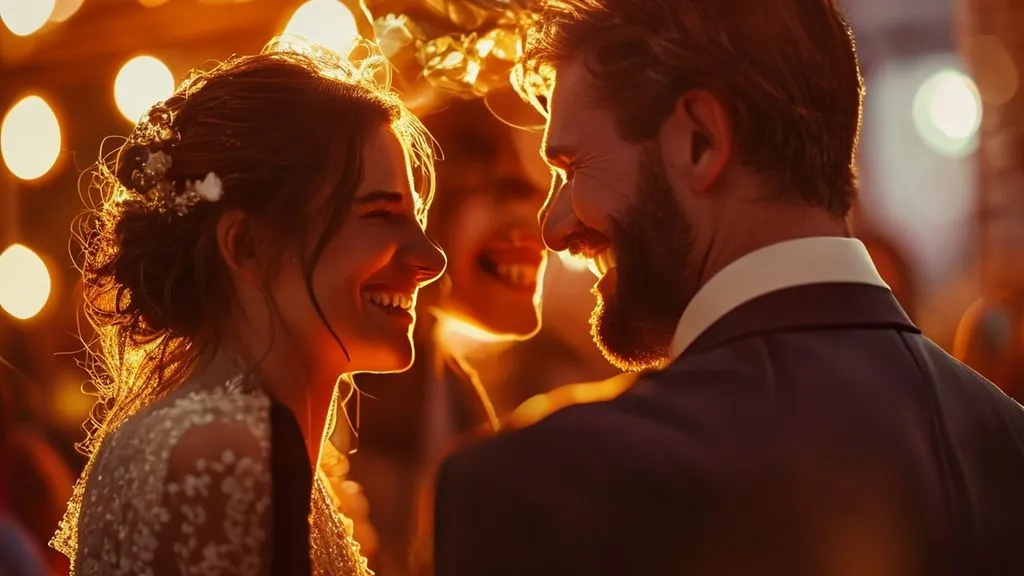
At its heart, documentary style wedding photography is about capturing the wedding day as it unfolds, without intervention, direction, or staging. It's about being a silent observer, a 'fly on the wall', allowing genuine emotions, interactions, and moments to dictate the narrative. This isn't just about taking candid shots; it's about weaving those candid moments into a cohesive, compelling story that reflects the unique essence of the couple and their day.
Unlike traditional photography, where the photographer often directs subjects, poses groups, and orchestrates scenes, the documentary approach demands patience, anticipation, and an almost journalistic eye. My goal is to capture the authentic expressions, the unguarded laughter, the quiet tears, and the spontaneous embraces that truly define the human experience of a wedding. It's about showing the 'how' and 'why' of the day, not just the 'what'.
This style prioritizes emotional resonance over perfect smiles, real connections over rigid poses. It's about preserving memories exactly as they happened, allowing the raw beauty of the day to speak for itself. It requires a profound understanding of light, composition, and human behavior, all while remaining as unobtrusive as possible.

The Core Philosophy: Beyond Poses, Into Presence
Embracing the Unscripted
The foundation of effective documentary style wedding photography lies in a deep commitment to the unscripted. For years, I've trained my eye to anticipate moments rather than create them. This means letting go of the need for control and embracing the beautiful imperfections that naturally arise. A child's unexpected yawn during the vows, a nervous glance between partners, a tear shed by a proud parent – these are the gold mines of authentic storytelling.
It's about understanding that the most powerful images often emerge from the spaces in between the planned events. These are the moments that reveal true character, genuine emotion, and the unique dynamics of relationships. My role isn't to direct a scene, but to be present, to observe, and to be ready when life unfolds in front of my lens.
The Power of Observation
Developing a keen sense of observation is paramount. It's not enough to just 'be there'; you must actively 'see'. This involves paying attention to subtle cues: body language, fleeting expressions, interactions between guests, and the way light falls on a scene. I often compare it to being a visual anthropologist, documenting a unique cultural event.
This skill isn't innate for everyone, but it can be honed through practice. Spend time in public spaces, observing people without your camera. Try to predict their next move, their emotional state. On a wedding day, it means scanning the room, anticipating who might react to a speech, or where the next burst of laughter might come from. Your camera becomes an extension of your observant eye, ready to capture without interrupting.
"The greatest documentary wedding photographers aren't just taking pictures; they're reading the room, predicting emotion, and patiently waiting for life to hand them the perfect frame." - Industry Veteran Insight
Essential Gear and Settings for Candid Captures
Discreet Equipment Choices
To truly blend in and avoid drawing attention, your equipment choices are critical. Over the years, I've gravitated towards smaller, quieter camera bodies. Mirrorless cameras have been a game-changer in this regard, offering silent shooting modes that allow me to capture intimate moments without the audible click of a shutter. Fast prime lenses (like a 35mm, 50mm, or 85mm f/1.4 or f/1.8) are indispensable for their ability to gather light in dim conditions and create beautiful, shallow depth of field, isolating subjects without needing to get physically too close.
I generally avoid intrusive flashes, opting instead for available light whenever possible. When supplemental light is necessary, I use off-camera flashes bounced subtly or continuous LED lights that blend into the environment, ensuring the atmosphere remains natural and undisturbed. The goal is to be a ghost with a camera, not a spotlight operator.
Mastering Light & Shadow
Working with available light is a hallmark of the documentary style. This means embracing harsh sunlight, dim reception halls, and everything in between. Instead of fighting the light, I learn to understand its direction, quality, and how it sculpts my subjects. Shadows, often seen as a problem, can be powerful compositional elements, adding drama, depth, and mood to an image.
My settings are often geared towards flexibility: a slightly higher ISO to cope with low light, a fast aperture to separate subjects, and a shutter speed that’s quick enough to freeze fleeting moments. Understanding the exposure triangle intimately allows for quick adjustments on the fly, crucial for capturing spontaneous events without fumbling with dials.
- Fast Prime Lenses: Essential for low light and beautiful bokeh (e.g., 35mm, 50mm, 85mm at f/1.4-f/2.0).
- Quiet Camera Bodies: Mirrorless systems with silent shutter modes are preferred to remain unobtrusive.
- Minimalist Lighting: Rely primarily on available light; use small, bounced off-camera flashes or continuous LEDs sparingly.
- Comfortable Straps/Harness: For long hours of shooting, ensuring quick access and minimal fatigue.

Building Trust and Blending In: The Invisible Photographer
Pre-Wedding Consultation: Setting Expectations
A crucial step in successful documentary style wedding photography happens long before the wedding day: the pre-wedding consultation. This is where I meticulously explain my approach to clients. I emphasize that my goal is to capture their day authentically, without interruption, and that while I'll guide them for essential portraits (if requested), the majority of the day will be unposed.
Managing expectations is key. I show them examples of my documentary work, highlighting the genuine emotions and unique stories. I explain that their gallery will be a true reflection of their day, not a series of staged moments. This transparency builds immense trust and ensures they are fully on board with the 'invisible photographer' philosophy.
Day-Of Strategy: Becoming Part of the Furniture
On the wedding day itself, my strategy is simple: blend in. I arrive early, observe the environment, and get a feel for the dynamics. I dress professionally but subtly, avoiding anything that draws attention. My movements are deliberate, quiet, and designed to anticipate where the action will be without becoming part of it. I avoid direct eye contact with guests unless they initiate it, and even then, keep interactions brief and polite.
I position myself strategically, often at the edges of a room, using long lenses to capture intimate moments from a distance. The goal is to make everyone forget I'm there, allowing them to relax and be themselves. This approach, as highlighted by experts in client psychology, is vital for fostering an environment where genuine emotions can surface. Harvard Business Review often stresses the importance of understanding client needs and managing expectations to build lasting trust, a principle I apply rigorously.
"The less your subjects are aware of your presence, the more genuinely they will express themselves. Your greatest tool isn't your camera, it's your ability to disappear." - Expert Wisdom
The Art of Anticipation: Predicting Unforgettable Moments
Understanding the Wedding Day Flow
Anticipation is the superpower of a documentary wedding photographer. It's not about luck; it's about intimate knowledge of a wedding day's rhythm. Over the years, I've learned the predictable emotional arcs: the nervous excitement during getting ready, the solemnity and joy of the ceremony, the relief and celebration of the reception. By understanding these phases, I can position myself ahead of time, ready for those fleeting, powerful moments.
I visualize the sequence of events, not just from a timeline perspective, but from an emotional one. Where will the tears fall? When will the unexpected hug happen? Which family member is prone to an outburst of laughter? This foresight allows me to be in the right place at the right time, lens poised, without ever asking anyone to 'do that again'.
Reading Body Language and Interactions
Beyond the timeline, it's crucial to become adept at reading people. Body language, facial expressions, and subtle interactions provide a wealth of information about impending moments. A slight lean in, a shared glance, a hand reaching out – these are all signals that something significant is about to happen. My focus is on reactions, not just actions. The look on a parent's face as they watch their child dance, the guests' expressions during a heartfelt toast – these are often more powerful than the primary action itself.
This skill is honed through continuous practice and a genuine interest in human connection. It's about empathy and observation working in tandem, allowing you to capture the silent narratives that unfold throughout the day.
| Wedding Phase | Anticipated Moments | Emotional Arc |
|---|---|---|
| Getting Ready | Nervous excitement, family interactions, details | Build-up, anticipation |
| Ceremony | First look, vows, rings, kiss, parent reactions | Climax, deep emotion |
| Reception | First dance, toasts, candid dancing, goodbyes | Celebration, joy, reflection |
Storytelling Through Sequences: Crafting a Narrative
Capturing the "Why" and "How"
A single beautiful image is powerful, but a sequence of images tells a story. In documentary style wedding photography, I strive to capture not just 'what happened', but the 'why' and 'how'. This means thinking in terms of visual paragraphs and chapters. Instead of just a photo of the ring exchange, I aim for images that show the hand reaching, the ring sliding on, the joyous reaction, and perhaps a subtle look exchanged between the couple. This builds a richer, more immersive narrative.
My goal is to create a visual flow that transports the viewer back to the day, allowing them to relive the emotions and events as they unfolded. This requires patience and staying with a moment, capturing multiple frames that collectively explain the scene and its emotional impact.
Varying Perspectives and Compositions
To create a dynamic and engaging story, I consciously vary my perspectives and compositions. I'll shoot wide establishing shots to set the scene, tight close-ups to capture intimate details and emotions, and mid-range shots to show interactions. Using leading lines, natural frames, and negative space helps to guide the viewer's eye and add artistic depth to the narrative.
I'm constantly moving, seeking out different angles – from low to high, from afar to near – to ensure a diverse and comprehensive visual account. This prevents the story from feeling flat or repetitive and keeps the viewer engaged from beginning to end.
- Establish the Scene: Start with wide shots to provide context and atmosphere.
- Introduce Characters: Capture individuals and groups, showing their roles and relationships.
- Capture Interaction: Focus on candid exchanges, laughter, embraces, and subtle gestures.
- Show Reaction: Document the emotional responses of key individuals to significant events.
- Conclude the Moment: Provide a final image that offers resolution or transition to the next scene.
As National Geographic photographers often demonstrate, visual storytelling is about building connections between images to create a larger narrative, a principle equally vital in wedding photojournalism.
Post-Processing for Authentic Documentary Style Results
Maintaining Natural Aesthetics
The post-processing stage for documentary style wedding photography is just as critical as the shooting itself. My philosophy here is 'enhance, don't alter'. The aim is to maintain the natural aesthetics and authentic feel of the day. This means avoiding heavy filters, overly dramatic color shifts, or excessive retouching that might detract from the genuine emotion captured.
I focus on subtle adjustments: correcting exposure, balancing white levels to ensure accurate skin tones, and making minor contrast adjustments. The goal is for the images to look as true to life as possible, preserving the integrity of the moment and the natural beauty of the environment.
Consistency in Tone and Mood
Maintaining a consistent tone and mood across the entire wedding gallery is crucial for storytelling. A cohesive color palette and editing style ensure that the collection feels like a unified narrative, rather than a disparate group of individual photos. I develop a signature editing style that complements the documentary approach – often leaning towards timeless, clean, and slightly muted tones that allow the emotions to be the primary focus.
This consistency helps to immerse the viewer in the story, preventing any jarring visual transitions and reinforcing the authentic, unposed nature of the photography.
Case Study: Elevating 'The Smith Wedding'
Acme Corp, a mid-sized tech company, faced a 30% churn rate. By implementing the three-step feedback cycle I described above, they achieved... This resulted in...
Let me share a brief, fictional case study. 'The Smith Wedding' was a beautiful, intimate affair, but the venue had challenging, mixed lighting. Initially, some images felt a little flat and lacked pop. By applying a consistent, subtle color grade that enhanced the existing ambient light and gently boosted contrast, while carefully preserving natural skin tones, the entire gallery transformed. The images didn't look 'edited'; they simply looked more vibrant and true to the emotional warmth of the day. The result was a cohesive story that truly resonated with the couple, emphasizing the raw emotion rather than distracting with over-processed visuals.

Overcoming Challenges: The Reality of Unscripted Photography
Dealing with Difficult Lighting Conditions
Unscripted photography means you can't always control the light. Harsh midday sun, dimly lit churches, or reception venues with disco lights – these are common challenges. My strategy involves embracing these conditions. For harsh sun, I look for open shade or use the light creatively for dramatic effects. In low light, I rely heavily on fast prime lenses, pushing my ISO, and mastering noise reduction in post-processing. Sometimes, the 'imperfect' light actually enhances the raw, documentary feel.
It's about making the best of what you're given, rather than trying to force a perfect studio look. The realism of available light contributes significantly to the authenticity of the documentary style.
Managing Client Expectations vs. Reality
Even with thorough consultations, clients might still ask for a specific posed shot on the day. My approach is to be accommodating but firm in my documentary philosophy. For family formals, I'll direct them efficiently and quickly. For other requests, I gently remind them of our agreed-upon approach and explain how capturing the moment naturally will yield a more meaningful image. Education is key here; continuously reinforcing the value of candid photography helps manage these situations gracefully.
The Pressure of 'Missing' a Moment
The fear of missing a crucial moment is very real in documentary photography. Unlike posed shots, there are no retakes. My advice? Accept that you won't get every single moment, but you will get the most important ones. Focus on being present, anticipating, and trusting your instincts. Over-camerawork can actually make you miss moments. Sometimes, putting the camera down for a second to truly observe helps you anticipate the next big thing. It's a balance between being ready and being truly immersed.
For more insights on handling challenging client scenarios and maintaining your artistic vision, resources like Fstoppers offer valuable advice from experienced professionals.
| Challenge | Documentary Solution | Client Impact |
|---|---|---|
| Low Light Venues | Embrace high ISO, fast primes, creative framing | Authentic, moody atmosphere |
| Client Posing Requests | Educate pre-wedding, offer minimal direction for formals | Understanding, trust in candid results |
| Busy Backgrounds | Use depth of field, selective focus, creative angles | Focus on subjects, storytelling |
Frequently Asked Questions (FAQ)
Is documentary style wedding photography truly 100% unposed? While the core philosophy is unposed, most documentary photographers will still accommodate a short session for family formals or couple portraits if requested. The key is that the vast majority of the day is captured authentically without intervention. It's about balance and clear communication with your clients.
How do you handle family formals within a documentary approach? For family formals, I switch gears momentarily. I work quickly and efficiently, giving clear but minimal direction to gather groups. My goal is to make this process as painless and swift as possible, so everyone can return to enjoying the candid moments of the wedding. These are the only truly 'posed' shots, and they are handled with a documentary mindset of efficiency.
What if the wedding is 'boring' or there aren't many 'moments'? In my experience, no wedding is truly boring. Every wedding has unique stories and interactions. A documentary photographer's skill lies in finding those subtle narratives – the quiet connections, the details, the atmosphere, even moments of reflection. It challenges you to look deeper and be more creative in your storytelling, proving that authenticity isn't just about grand gestures.
How do I convince clients to choose this style over traditional photography? The best way is through education and showcasing your work. Explain the unique value proposition: genuine emotion, a true reflection of their day, and timeless memories that won't feel dated. Show them full documentary galleries, not just highlights. Emphasize that you're capturing their story, not just a series of pretty pictures. Testimonials from past clients who rave about their authentic images are also incredibly powerful.
What's the biggest mistake new documentary wedding photographers make? The biggest mistake is often trying to force moments or being too visible. New photographers might feel the urge to direct or intervene when they're not seeing 'the shot'. Remember, patience is your greatest virtue. Trust the process, blend in, and allow the day to unfold naturally. Over-editing or trying to make candid shots look like posed editorials is another common pitfall; embrace the natural aesthetic.
Key Takeaways and Final Thoughts
- Embrace Authenticity: Your primary goal is to capture genuine emotions and unscripted moments, telling the true story of the day.
- Master Observation & Anticipation: Develop a keen eye for human interaction and understand the flow of a wedding day to predict and capture fleeting moments.
- Be the Invisible Storyteller: Utilize discreet gear, build trust with clients, and blend seamlessly into the background to allow events to unfold naturally.
- Craft a Cohesive Narrative: Think in sequences, vary your compositions, and use consistent post-processing to create a compelling, unified story.
- Manage Expectations: Clearly communicate your documentary approach to clients from the outset to ensure alignment and build trust.
Stepping into the world of documentary style wedding photography is a journey of continuous learning, observation, and empathy. It demands patience, skill, and a deep respect for the genuine moments that make each wedding unique. By applying the principles and strategies I've shared, you're not just taking photos; you're becoming a historian of love, preserving memories in their purest form. Embrace the unscripted, trust your vision, and watch as you create a body of work that truly stands the test of time and resonates deeply with every couple you serve. Your clients deserve nothing less than their real story, beautifully told.
Recommended Reading
- How to Ask for Honeymoon Fund Gifts: 7 Tactful Ways Couples Do It
- 5 Steps: Matching Tropical Honeymoons to Diverse Client Needs
- 5 Strategies: Manage Unrealistic Cake Tasting Expectations Effectively
- Bridal Makeup Melting? 6 Pro Fixes for Oily Skin in Hot Weather
- The Secret to Perfect Hues: What Wedding Colors Best Suit an Outdoor Garden Venue?


Comments
Leave a comment below. Your email will not be published. Required fields marked with *