


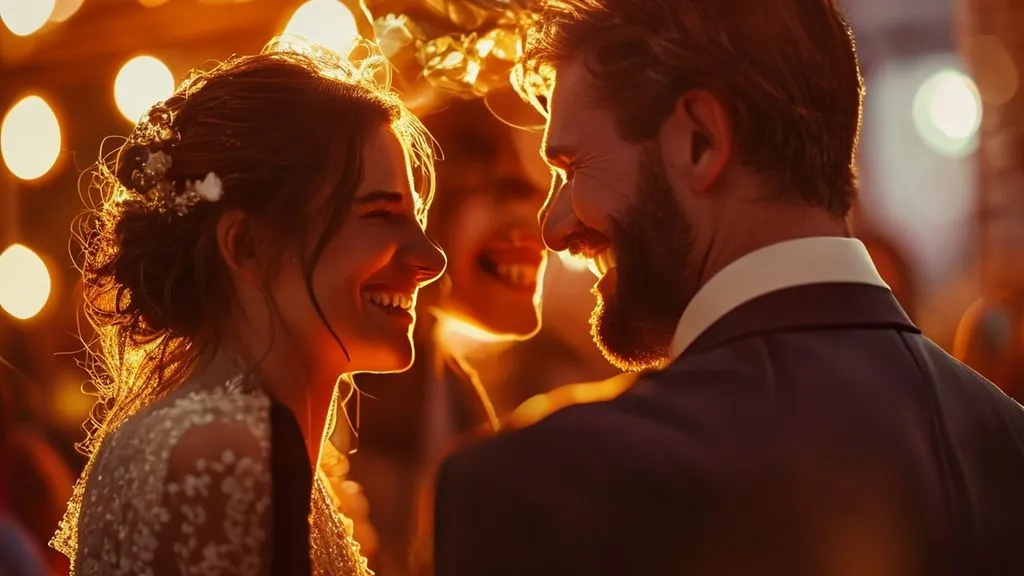
How to Deliver Candid Wedding Photos Clients Adore, Not Criticize?
For over 15 years, navigating the beautiful chaos of wedding days, I've witnessed a common pitfall among even talented photographers: the struggle to consistently deliver candid shots that truly resonate with clients, rather than elicit a lukewarm response or, worse, criticism. It's a nuanced art, far beyond simply pointing and shooting.
The core problem often lies not in technical skill, but in a disconnect between the photographer's vision of 'candid' and the client's emotional expectation. Clients aren't just looking for unposed photos; they're yearning for genuine, raw moments that tell their unique story, moments they might not even remember happening until they see the final image.
In this definitive guide, I'll share my battle-tested framework, drawing from countless weddings and client interactions, to ensure your candid wedding photos are not just accepted, but deeply adored. You'll learn actionable strategies, from pre-wedding preparation to post-production finesse, designed to elevate your craft and consistently deliver candid wedding photos clients adore, not criticize.
Mastering the Art of Anticipation: Seeing Beyond the Obvious
True candid photography isn't about luck; it's about highly developed anticipation. It's the ability to predict human interaction, to feel the emotional pulse of a moment before it fully unfolds, and to position yourself perfectly to capture it without intrusion.
This skill is honed through experience, certainly, but also through deliberate practice and a deep understanding of human behavior. I've found that the best candid photographers aren't just watching; they're listening, sensing, and subtly becoming part of the environment, not just an observer.
Pre-Wedding Consultations: Setting the Stage for Candids
The foundation for adored candid shots is laid long before the wedding day, during your initial consultations. This is where you educate, manage expectations, and gather vital information.
- Educate on 'Candid': Clearly define what candid photography means to you. Explain that it's about capturing genuine interactions, emotions, and unplanned moments, which means embracing imperfections and raw beauty.
- Identify Key Relationships: Ask clients to list important family members and friends. Knowing who is significant helps you focus your attention and anticipate emotional exchanges.
- Understand the Dynamic: Inquire about family dynamics, inside jokes, or cultural traditions. These insights are goldmines for anticipating unique, personal candid moments.
- Discuss Comfort Levels: Gently probe if there are any sensitive areas or individuals who might be uncomfortable being photographed candidly. This shows empathy and builds trust.
- Review Sample Work: Show a diverse portfolio of your candid work. Point out what makes certain shots successful and how they tell a story, ensuring alignment on style.
By investing this time upfront, you're not just a vendor; you're a trusted partner who understands their story. This understanding is critical for delivering candid wedding photos clients adore, not criticize.

"The truly great candid shots aren't found; they're anticipated, understood, and then, only then, captured with precision and heart."
Building Trust and Rapport: Your Invisible Presence
To capture truly authentic candid moments, you must become an almost invisible, yet trusted, presence. Guests and the couple need to feel comfortable enough to forget you're there, allowing their genuine emotions to surface naturally.
This isn't about stealth; it's about warmth, professionalism, and respect. From the moment you arrive, your demeanor sets the tone. A friendly smile, a quiet presence, and a genuine interest in people will open doors to those fleeting, unposed interactions.
The Power of Observation and Discretion
Once you've established rapport, your role shifts to that of a keen observer. Discretion is paramount. You're looking for moments, not creating them.
- Blend In: Dress professionally but comfortably. Move quietly and avoid drawing attention to yourself. Sometimes, a longer lens allows you to capture intimacy from a respectful distance.
- Anticipate Reactions: Watch faces, body language, and group dynamics. A shared glance, a whispered joke, a comforting touch – these are the precursors to powerful candid moments.
- Be Patient: Don't rush a moment. Sometimes the most beautiful candids emerge from periods of calm or quiet reflection. Learn to wait for the genuine emotion.
- Respect Boundaries: Not every moment is meant for the camera. Learn to discern when to put the camera down and simply be present, reinforcing trust.
Case Study: How Emily's Trust Transformed Her Candid Album
Emily, a bride I photographed last year, was initially very self-conscious about being photographed. During our pre-wedding chat, she expressed anxiety about looking 'posed' or 'unnatural'. My approach was to spend extra time with her and her bridesmaids during the getting-ready phase, not just photographing, but genuinely engaging in conversation, sharing a laugh, and offering reassurance.
By the time the ceremony began, she was completely at ease with my presence. This rapport allowed me to capture some of her most cherished candid moments: a tearful hug with her mother, an uninhibited dance move with her new husband, and a genuine, relaxed smile during dinner. She later told me, "I didn't even notice you taking half those photos, but they're the ones I love the most because they truly feel like *me*." This deep level of comfort directly led to candid wedding photos clients adore, not criticize.

Technical Prowess: Gear, Settings, and Light for Authenticity
While the heart of candid photography lies in anticipation and connection, technical mastery provides the tools. The right gear and settings allow you to react instantaneously to fleeting moments, ensuring clarity and quality without drawing attention.
You need a setup that's reliable, fast, and versatile, enabling you to move seamlessly between different lighting conditions and scenarios without fumbling. This means understanding your equipment intimately.
Optimal Camera Settings for Spontaneity
For candid shots, speed and adaptability are key. You'll often be working in dynamic light and with subjects in motion.
| Setting | Recommendation | Why |
|---|---|---|
| Shooting Mode | Aperture Priority (Av/A) or Manual (M) | Av for quick aperture control, M for consistent exposure in stable light. |
| Autofocus Mode | AI Servo (Canon) / AF-C (Nikon) with Group AF or Zone AF | Tracks moving subjects effectively, increasing hit rate for sharp candids. |
| Shutter Speed | Minimum 1/250s (ideally faster, 1/500s+) | Freezes motion, reduces blur from subject movement or camera shake. |
| Aperture | f/1.8 - f/4.0 | Creates beautiful background blur (bokeh), isolating subjects; f/4.0 for groups. |
| ISO | Auto ISO with a cap (e.g., 6400 or 12800) | Allows camera to adjust for changing light while maintaining a usable shutter speed. |
| White Balance | Auto White Balance (AWB) or Preset (e.g., Shade, Cloudy) | AWB is usually sufficient; presets offer more consistency in specific conditions. |
Leveraging Natural Light and Subtle Fill Flash
Natural light is your best friend for authentic candids. It's soft, flattering, and doesn't require bulky equipment that might make guests self-conscious. Position yourself to use available light to your advantage, looking for pockets of beautiful illumination.
However, natural light isn't always sufficient. When you need a little extra pop, a small, off-camera flash or a bounced on-camera flash, used subtly, can make a huge difference. The goal is to enhance, not overpower. Think of it as painting with light, adding just enough to lift your subjects out of shadow without creating harsh, artificial-looking results. For more on advanced lighting techniques, B&H Photo's guide on wedding lighting offers excellent insights.
The Art of Composition in Motion: Framing Fleeting Moments
Composition in candid photography is a reactive art. You don't have time to meticulously arrange elements; you must train your eye to see compositions instantly, even as subjects move. It's about finding the frame within the chaos.
This means understanding fundamental compositional rules – rule of thirds, leading lines, framing, depth – so deeply that they become intuitive. You're constantly scanning the scene, anticipating where a subject might move or where a natural frame might emerge.
Storytelling Through Unposed Shots
Every candid shot should contribute to the larger narrative of the wedding day. It's not just about a pretty picture; it's about telling a story without words. Look for:
- Interactions: A child holding a parent's hand, a grandparent watching the ceremony, friends sharing a laugh.
- Details with Context: A close-up of the rings during the exchange, the bride's shoes peeking out from under her dress as she walks, a tear on a cheek.
- Emotional Arcs: The nervous anticipation, the joyous celebration, the quiet moments of reflection.
Focus on capturing the emotion, the connection, and the unique personality of the event. A powerful candid shot isn't just technically sound; it evokes feeling. As photojournalism legend Henri Cartier-Bresson famously said, it's about capturing the "decisive moment" – that fleeting instant when all elements align to convey the essence of an event. Learn more about the principles of photojournalism and storytelling from World Press Photo.

Post-Production Magic: Enhancing, Not Fabricating
The editing room is where your candid shots truly come to life, but it's a delicate balance. The goal is to enhance the authenticity you've captured, not to create something that feels artificial or overly processed. Over-editing can quickly turn a genuine moment into something criticized.
My philosophy for candid editing is 'less is more'. You want to maintain the raw, unpolished feel while ensuring optimal exposure, color, and sharpness. This means a nuanced approach, understanding that not every candid shot needs the same level of polish as a formal portrait.
Editing Workflow for Natural Candid Shots
Here's a streamlined workflow to ensure your candid edits maintain their integrity:
- Initial Cull & Selection: Be ruthless. Only select the strongest candid moments that truly tell a story or evoke emotion. Don't be afraid to discard similar shots.
- Global Adjustments First: Apply basic exposure, white balance, and contrast adjustments across batches of similar photos. Aim for consistency.
- Subtle Color Grading: Use gentle color grading to enhance the mood, but avoid overly saturated or desaturated looks that detract from natural skin tones and environment.
- Cropping & Straightening: Crop to improve composition and straighten horizons. Sometimes a slight crop can dramatically improve the impact of a candid moment.
- Minimal Retouching: For candids, avoid heavy skin retouching or extensive manipulation. Embrace the natural look. Only remove truly distracting elements if necessary.
- Sharpening & Noise Reduction: Apply subtle sharpening to bring out details and intelligent noise reduction for high-ISO shots, ensuring a clean, crisp image without looking over-sharpened.
Remember, the power of a candid shot is its realness. Your editing should support that, not obscure it. For instance, consider how different editing styles affect the perception of 'naturalness':
| Editing Style | Impact on Candids |
|---|---|
| Heavy HDR/Clarity | Can make images look artificial, losing genuine feel. Often criticized for being 'too much'. |
| Over-Saturated Colors | Distorts reality, makes skin tones unnatural. Reduces emotional connection. |
| Natural/Subtle Enhancement | Preserves authenticity, enhances mood without distracting. Clients adore the genuine look. |
| Excessive Smoothing/Retouching | Removes character and imperfections, making subjects look plastic or unreal. Leads to criticism about lack of realism. |
Client Education and Expectation Management: The Candid Conversation
Even with the most incredible candid shots, client adoration hinges on effective expectation management and how you present the final gallery. Clients who understand your process and the nature of candid photography are far more likely to appreciate the results.
This involves consistent communication from the first meeting through to final delivery, ensuring there are no surprises and that their vision aligns with your artistic output.
Presenting Candid Shots: Curating the Narrative
When it's time to deliver, don't just dump all the candid photos on them. Curate the experience:
- Tell a Story: Arrange your candid photos chronologically or thematically to create a coherent narrative of the day. This helps clients relive the moments.
- Highlight Key Moments: Point out specific candid shots that you know were important or particularly emotional. Remind them of the story behind the image.
- Educate on 'Why': Explain *why* certain candid shots are powerful. "This shot of your dad tearing up was captured just as you walked down the aisle, a moment of pure emotion that would have been missed if posed."
- Mix with Posed Shots: Integrate candid photos seamlessly with your more formal shots. This provides a balanced view of the day and showcases your versatility.
- Provide Context: Use gallery descriptions or a blog post to add context to particularly impactful candid images.
This thoughtful presentation transforms a collection of photos into a cherished memory. It’s about guiding their perception and helping them see the artistry in the unposed. Research from institutions like Harvard Business Review consistently shows that managing customer expectations is key to satisfaction and loyalty.

The Feedback Loop: Learning and Growing from Every Wedding
Even with the best preparation, there will always be opportunities to learn and refine your approach. The most successful photographers aren't just good at taking pictures; they're adept at receiving feedback, both positive and constructive, and integrating it into their workflow.
Establishing a clear, open feedback loop with your clients is crucial. It shows professionalism, a commitment to improvement, and ultimately builds stronger relationships and a better portfolio.
Turning Criticism into Constructive Growth
When feedback isn't entirely positive, it's an opportunity, not a failure. Here's how to approach it:
- Listen Actively: Don't get defensive. Listen to understand their perspective and feelings. Ask clarifying questions.
- Identify Patterns: Is this a one-off comment, or are you hearing similar feedback across multiple clients? Patterns indicate areas for systemic improvement.
- Separate Taste from Technical: Understand if the criticism is about personal preference (e.g., "I don't like my laughing face") or a technical issue (e.g., "This shot is blurry"). Address technical issues directly.
- Propose Solutions (if applicable): If it's a minor issue (e.g., a few specific photos), offer to re-edit or swap. For broader concerns, explain your artistic choices and discuss how future shoots could be adjusted.
- Document Learnings: Keep a journal or a digital record of feedback and your action points. This helps you refine your pre-wedding consultation, shooting style, and editing process.
By embracing feedback, you continually sharpen your ability to deliver candid wedding photos clients adore, not criticize. It's a journey of continuous refinement.
Frequently Asked Questions (FAQ)
Q: My clients often say my candid shots look 'awkward' or 'unflattering'. How can I avoid this? A: This often stems from a lack of trust or discomfort with your presence, or capturing moments that are genuinely unflattering. Focus on building strong rapport pre-wedding and during the day so subjects relax. Also, cultivate your eye to anticipate positive, genuine expressions, rather than just any unposed moment. During culling, be ruthless: if it looks awkward to you, it will to them. Prioritize authentic joy and connection.
Q: Should I prompt or direct subjects at all for 'candid' shots? A: The purest candid shots are completely unprompted. However, there's a spectrum. Sometimes, a gentle prompt like "Just ignore me, enjoy this moment together" or suggesting an activity ("Why don't you two just walk hand-in-hand down the path?") can create a natural scenario from which candid interactions emerge. The key is to avoid direct posing and instead facilitate an environment where genuine moments can happen. It's about setting the stage, not directing the play.
Q: How do I manage client expectations if they have a very specific idea of 'candid' that differs from mine? A: This is why comprehensive pre-wedding consultations are non-negotiable. Use visual examples from your portfolio to illustrate your style. If a client insists on a heavily directed 'candid' style, you might need to gently re-educate them or, if the mismatch is too great, consider if you're the right photographer for them. Setting clear boundaries and expectations early prevents disappointment later.
Q: What's the best lens for capturing candid moments discreetly? A: Longer focal lengths like a 70-200mm f/2.8 or an 85mm f/1.4 are excellent for discretion, allowing you to capture intimate moments from a distance without being intrusive. However, don't shy away from wider lenses (like a 35mm or 50mm) if you've built enough rapport to be close to the action without disrupting it, as they can capture more of the environmental context.
Q: How many candid shots should I deliver in a typical wedding gallery? A: There's no fixed number, but quality over quantity is paramount. Focus on delivering only the strongest, most impactful candid images that tell a story or evoke genuine emotion. A good rule of thumb is that candid shots should make up a significant portion of your gallery, often 50-70% or more, complementing your posed portraits. Ensure each one adds value to the narrative of the day.
Key Takeaways and Final Thoughts
Delivering candid wedding photos that clients truly adore is a hallmark of an exceptional wedding photographer. It's a blend of technical skill, emotional intelligence, and strategic communication. It’s about seeing beyond the obvious, building genuine trust, and then finessing those raw moments into timeless memories.
- Anticipation is Key: Train your eye to predict moments, not just react to them.
- Build Deep Rapport: Become an invisible, trusted presence, making subjects comfortable.
- Master Your Gear: Use optimal settings and lighting to capture fleeting moments flawlessly.
- Compose on the Fly: Develop an intuitive sense of composition to tell stories in motion.
- Enhance, Don't Fabricate: Employ a subtle post-production workflow that preserves authenticity.
- Manage Expectations: Educate clients on your candid style and curate the gallery presentation.
- Embrace Feedback: Continuously learn and refine your approach from every client interaction.
By consistently applying these principles, you'll not only elevate your artistry but also transform client satisfaction. You'll move beyond simply taking pictures to truly capturing souls, ensuring your candid wedding photos clients adore, not criticize, becoming the cherished heirlooms they truly deserve. Go forth and capture those authentic moments!
Recommended Reading
- 7 Graceful Ways to Manage Awkward Wedding Gift Returns & Keep Givers Happy
- 9 Expert Tips: Stop Groom's Boutonniere Wilting Before 'I Do'
- Obstructed City View? 7 Expert Ways to Salvage Your Dream Wedding
- 7 Proven Ways to Upsell Unique Wedding Cake Flavors to Hesitant Clients
- Elevate Your Brand: 7 Strategies to Market Unique Groom Attire to High-End Clients?




Comments
Leave a comment below. Your email will not be published. Required fields marked with *