


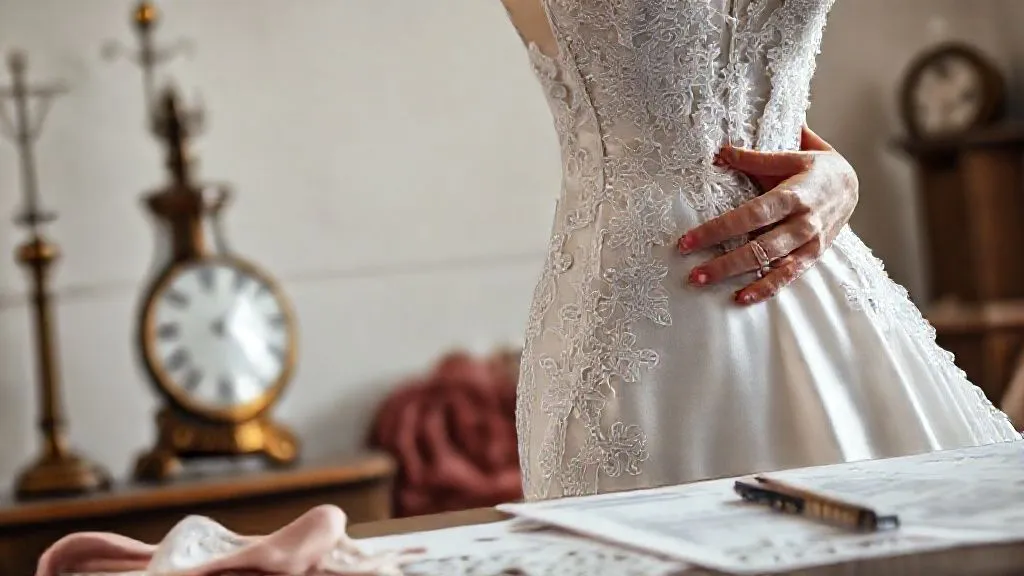
How to efficiently create a bespoke bridal gown on a tight deadline?
For over 15 years in the bespoke bridal fashion industry, I’ve witnessed countless brides navigate the exhilarating, yet often daunting, journey of creating their dream wedding gown. I’ve seen the joy of a perfectly realized vision, and candidly, I’ve also seen the panic when timelines shrink faster than a delicate silk chiffon in a hot wash. The common misconception is that “bespoke” inherently means “long lead time.” While ideal, it’s not always the reality for every bride.
The pain point is real: you’ve found your partner, set the date, and suddenly realize your wedding is closer than you anticipated. Or perhaps life threw a beautiful curveball, accelerating your plans. Now, the dream of a unique, custom-made gown seems out of reach, replaced by the fear of settling for off-the-rack or compromising your vision. The anxiety of ‘will it be ready?’ or ‘will it be perfect?’ can overshadow the excitement of your big day.
But here’s the truth I’ve learned through decades of experience: creating a bespoke bridal gown on a tight deadline is absolutely achievable, provided you approach it with a strategic, informed, and collaborative mindset. In this definitive guide, I’ll share the actionable frameworks, insider tips, and expert insights that I’ve developed and refined, empowering you to navigate this challenging process with confidence and emerge with the gown you’ve always envisioned, even when time is of the essence. This isn’t about cutting corners; it’s about intelligent optimization.
The Non-Negotiables: Setting Realistic Expectations from Day One
The foundation of any successful expedited bespoke project is an honest and thorough initial consultation. This isn’t just a chat; it’s a critical diagnostic session. As a designer, my first priority is to understand your absolute deadline and work backward. I’ve seen countless delays stem from misaligned expectations, so being transparent about what’s possible and what’s not is paramount.
The Power of Clear Communication and Decision-Making
When time is short, every decision carries more weight. You need to be prepared to make choices efficiently and stick to them. This means doing your homework before your first meeting.
- Gather Inspiration Thoughtfully: Bring a concise collection of images – no more than 10-15 – that truly reflect your desired silhouette, neckline, fabric feel, and key details. Avoid overwhelming yourself or your designer with conflicting styles.
- Prioritize Your Must-Haves: Distinguish between non-negotiable elements (e.g., a specific lace, an open back) and elements you’re flexible on. This helps your designer guide you to faster solutions.
- Be Decisive with Fabric Choices: Fabric sourcing can be a major bottleneck. Be open to in-stock options or fabrics with shorter lead times. A skilled designer can often achieve a similar aesthetic with readily available materials.
“In bespoke bridal, especially on a tight deadline, time saved in precise planning and swift decision-making is time gained in flawless execution.”
Remember, your designer is your greatest ally. Trust their expertise when they advise on material availability or construction timelines. Pushing for an impossible material or an overly complex design can derail the entire process. According to a Harvard Business Review article on effective communication, clarity and directness are key to accelerating project outcomes, a principle that applies perfectly to bespoke gown creation.
Streamlining the Design Process: A Blueprint for Speed
The design phase is where your vision truly begins to take shape. On an expedited timeline, this phase must be incredibly focused and efficient. We can’t afford lengthy, multiple rounds of abstract sketching. Instead, we move towards tangible representations much faster.
Prioritizing Key Design Elements for Impact
Instead of trying to incorporate every single detail you’ve ever seen, we zero in on the elements that will define your gown’s unique character and impact. This isn’t about compromise; it’s about intelligent design.
- Silhouette First: This is the absolute core. A-line, mermaid, ball gown, sheath – choose your foundational shape. This dictates fabric usage and construction complexity.
- Define the Focal Point: Is it a dramatic back, an intricate bodice, or a unique sleeve? Concentrate your design energy here, allowing other elements to complement rather than compete.
- Fabric as a Design Element: Let the chosen fabric guide some of the design. A heavily embellished lace might mean simpler cuts; a fluid silk might call for elegant draping.

Iterative Design: Faster Approvals with Visual Tools
Traditional design processes can involve several rounds of hand-drawn sketches. For a tight deadline, we leverage technology and a more direct approach.
Many experienced ateliers now utilize rapid prototyping through digital mock-ups or even 3D rendering. This allows you to visualize the gown from multiple angles, see how fabric drapes, and understand the proportion of details without waiting for physical samples. Your feedback can be immediate and precise, significantly reducing the time spent on revisions. The goal is to move from concept to a confirmed design as quickly as possible, ensuring every decision is informed and final.
Case Study: Elara's Express Gown Journey
Elara, a bride with only 12 weeks until her destination wedding, initially struggled with indecision, a common pitfall. By adopting a focused approach, she worked with her designer to quickly prioritize three core elements: a sleek A-line silhouette that flattered her figure, a specific Chantilly lace for the bodice, and a detachable overskirt for versatility. Her designer, leveraging advanced digital 3D mock-ups, presented several variations of these elements within days. Elara could see the exact lace placement, the flow of the skirt, and the overall proportion virtually. This immediate visualization, combined with her precise feedback, allowed her to approve her final design within two weeks. This focus, combined with the efficient use of digital tools, allowed the design team to move directly into toile production, saving precious weeks often lost in multiple sketch revisions. Her gown was not just on time, but perfectly captured her vision, proving that efficiency doesn’t mean sacrificing dreams.
Fabric & Sourcing: Speeding Up Material Acquisition
One of the biggest time sinks in bespoke gown creation is fabric and material sourcing. Exclusive laces, custom-dyed silks, or specific embellishments often come with lengthy lead times, especially if they need to be ordered internationally. This is where an experienced designer’s network and strategic approach become invaluable.
Leveraging Local & In-Stock Options
While the allure of a rare, imported lace is strong, a tight deadline demands pragmatism. This doesn’t mean settling for less; it means being smart about your choices.
- Explore Designer’s Inventory: Many established ateliers maintain a curated stock of high-quality fabrics and laces, often remnants from previous projects or materials purchased in bulk. These can be perfect for accelerating your gown’s creation.
- Prioritize Domestic Suppliers: If a specific type of fabric is essential, your designer can prioritize sourcing from domestic suppliers who can offer faster shipping and more reliable timelines compared to international vendors.
- Be Open to Alternatives: A skilled designer can suggest alternative fabrics that offer a similar look, feel, or drape to your initial choice but are more readily available. For instance, a beautiful duchess satin might be a faster alternative to a specific imported silk faille.
According to industry reports, custom fabric orders, especially from international mills, can add anywhere from 4-12 weeks to a production timeline, a luxury you simply don’t have on an expedited schedule.
The Role of a Networked Designer in Expedited Sourcing
My extensive network of trusted suppliers and fabric houses is one of my greatest assets when working on a tight deadline. Over the years, I’ve cultivated relationships that allow for faster communication, quicker samples, and sometimes even expedited shipping options that aren’t available to the general public. This is where the “expert” aspect truly shines – knowing who to call, what to ask for, and how to cut through red tape is critical.

The Toile & Fitting Phase: Precision in Compression
The toile (a mock-up of the gown, typically in calico or muslin) and subsequent fittings are arguably the most crucial stages for ensuring a perfect fit and silhouette. On a tight deadline, we must compress these stages without compromising precision. This requires intense focus from both the bride and the design team.
The 'Toile First' Advantage for Expedited Fit
For rush orders, I almost always recommend moving to a toile as quickly as possible after design approval. This physical representation allows us to verify the fit, proportion, and overall silhouette before cutting into your precious bridal fabric. Any major adjustments can be made on the toile, saving time and expensive material.
Traditionally, there might be multiple toile fittings, but with an expedited process, we aim for one comprehensive toile fitting, followed by one or two fabric fittings.
| Phase | Traditional Timeline | Expedited Timeline |
|---|---|---|
| Initial Consultation & Design Brief | 2-4 weeks | 1-3 days |
| Design Approval & Material Selection | 4-8 weeks | 1-2 weeks |
| Toile Creation & First Fitting | 4-6 weeks | 1 week |
| Fabric Sourcing & Cut | 8-12 weeks | 2-4 weeks |
| Gown Construction & Main Fittings | 6-10 weeks | 3-5 weeks |
| Final Embellishments & Quality Control | 2-4 weeks | 1 week |
| Final Pick-up | 1-2 weeks before wedding | 3-7 days before wedding |
Minimizing Revisions: Your Role as the Bride in Fittings
Your active participation and preparedness are vital for efficient fittings. Every minute counts.
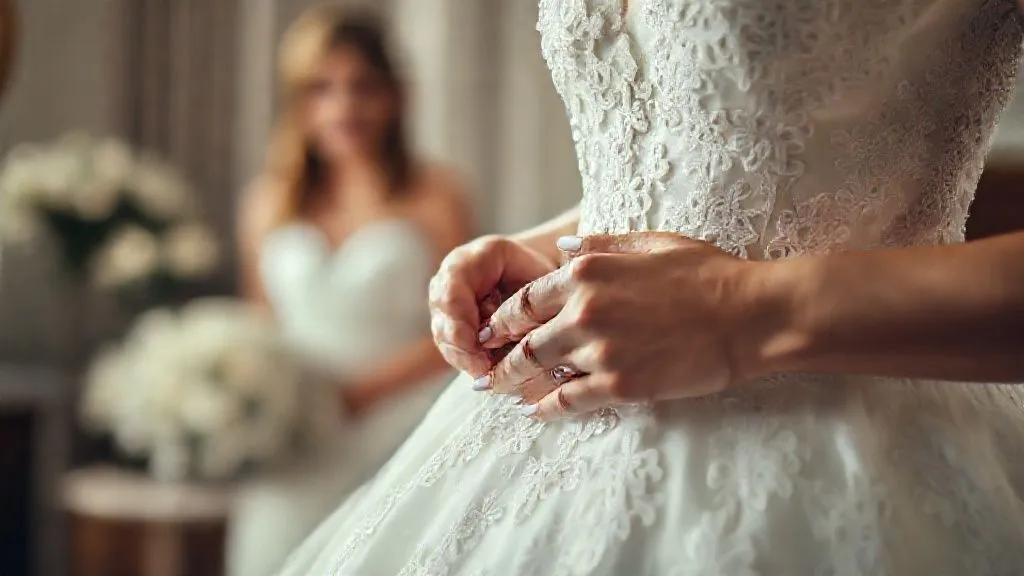
- Come Prepared: Always bring the exact undergarments, shoes, and any shapewear you plan to wear on your wedding day. These can significantly alter the fit and drape of the gown.
- Limit Your Entourage: While a supportive group is lovely, too many opinions can slow down the decision-making process. Bring one or two trusted individuals whose opinions you value and who understand the time constraints.
- Be Clear and Honest with Feedback: Don’t be shy about expressing concerns, but be precise. “It feels tight here” is more helpful than “I don’t like it.”
- Trust Your Designer’s Eye: They have the expertise to translate your feedback into actionable adjustments efficiently.
By being decisive and prepared, you dramatically reduce the need for additional, time-consuming fittings. This focused approach is key to an expedited timeline.
Construction & Embellishment: The Art of Accelerated Craftsmanship
Once the design is finalized and the fabric is sourced, the gown moves into the atelier for construction. This is where the magic truly happens, but on a tight deadline, it requires a highly organized and skilled team. It’s not about rushing the artisans; it’s about optimizing their workflow and making smart choices.
Strategic Embellishment Choices for Speed and Impact
While intricate hand-beading or complex embroidery can be breathtaking, they are also incredibly time-intensive. For an expedited gown, we look for embellishments that offer high impact with efficient application.
- Lace Placement: Instead of full lace overlays, consider strategic lace appliqués on the bodice, cuffs, or hem that can be applied more quickly while still creating a stunning effect.
- Statement Elements: Focus on one or two key embellished areas – perhaps a heavily beaded belt, a unique sleeve detail, or an embroidered illusion back.
- Pre-Embellished Fabrics: Some fabrics come with existing beading or embroidery. While still needing careful handling, they can significantly reduce the time spent on manual embellishment.

The Dedicated Atelier Advantage for Accelerated Production
Not all bridal studios are equipped for rush bespoke orders. Those that excel in this niche often have dedicated teams or structured workflows specifically for expedited projects. This might involve:
- Prioritized Scheduling: Your gown is placed at the top of the production queue.
- Team Collaboration: Multiple artisans might work on different sections of your gown simultaneously (e.g., one on the bodice, another on the skirt).
- In-House Expertise: Having all design, cutting, sewing, and embellishment done under one roof minimizes transit time and communication delays.
“When crafting a bespoke gown against the clock, the focus must be on impact, not just volume. Every stitch, every choice, must contribute meaningfully to the final vision.”
As Forbes often highlights regarding team efficiency, a well-coordinated team with clear roles and strong communication can achieve remarkable results in compressed timelines. This collaborative spirit is essential in the atelier.
Quality Control & Final Delivery: No Compromises, Just Efficiency
The speed of creation absolutely cannot come at the expense of quality. My reputation, and more importantly, your wedding day, depend on the gown being flawless. Quality control (QC) isn’t an afterthought; it’s integrated throughout the entire expedited process.
Integrated QC Throughout Every Stage
From the moment the fabric is cut to the final stitch, there are continuous checks. This is even more critical on a tight deadline because there’s less buffer time to fix major errors at the very end. The designer and lead seamstresses meticulously inspect:
- Fabric Integrity: Checking for any flaws before cutting.
- Seam Strength and Finish: Ensuring all seams are strong, neat, and lie correctly.
- Embellishment Security: Verifying that all beads, sequins, and appliqués are securely attached.
- Overall Symmetry and Balance: Ensuring the gown hangs perfectly and all design elements are harmonious.
This proactive approach to quality ensures that by the time you arrive for your final fitting, any issues are minor adjustments, not major overhauls.
The Final Reveal: What to Expect and How to Prepare
Your final fitting is usually just days or a week before your wedding. This is the moment to see your dream gown perfectly fitted and ready. During this fitting:
- Wear Everything: Bring your wedding shoes, undergarments, and any jewelry or veil you plan to wear. This provides a complete picture.
- Practice Movement: Sit, stand, walk, and even practice a twirl. Ensure you can move comfortably and confidently.
- Final Adjustments: Expect minor tweaks – a hem adjustment, a slight tightening of a strap – these are normal and quickly managed.
- Gown Care Instructions: Your designer will provide specific instructions for steaming, transportation, and storage until the big day.

The entire process, though expedited, is designed to culminate in this perfect moment. My goal is always to deliver a gown that not only meets but exceeds your expectations, regardless of the timeline, ensuring you feel nothing short of magnificent.
Beyond the Gown: Managing Your Wedding Timeline Holistically
While the focus of this guide has been on 'How to efficiently create a bespoke bridal gown on a tight deadline?', it’s important to remember that your gown is just one piece of your wedding puzzle. Managing your entire wedding timeline efficiently is crucial for a stress-free experience, especially when time is limited.
Delegating and Trusting Your Vendors
You cannot do everything yourself, nor should you try. This is particularly true on a tight schedule. Learn to delegate tasks, whether to your partner, a trusted friend, family member, or a professional wedding planner. Your vendors – from your caterer to your florist – are experts in their fields. Trust them to deliver. Provide them with clear instructions and then step back. Micromanaging will only add to your stress and can slow down their efficiency.
- Wedding Planner: If your budget allows, a wedding planner is an invaluable asset for tight timelines, coordinating everything from venue logistics to vendor communications.
- Bridal Party Support: Assign specific tasks to your bridesmaids or groomsmen, such as coordinating hotel blocks or managing RSVPs.
- Vendor Contracts: Ensure all contracts are signed and deposits paid promptly to secure services and avoid delays.
Prioritizing Your Peace of Mind
A tight deadline can be emotionally taxing. It’s easy to get caught up in the rush and forget to enjoy the journey. Remember to schedule moments of self-care and relaxation. Whether it’s a quiet evening with your fiancé, a spa treatment, or simply setting aside time for a hobby, protecting your mental well-being is paramount. A calm and happy bride is a beautiful bride, and that inner glow is the most important accessory of all. The bespoke gown creation, even on a tight schedule, should be a joyous, collaborative experience that builds excitement for your special day, not anxiety.
Frequently Asked Questions (FAQ)
Question: Is a rush fee always necessary for a bespoke gown on a tight deadline? Yes, almost universally. A rush fee compensates the atelier for prioritizing your gown, potentially rescheduling other projects, working overtime, and absorbing expedited shipping costs for materials. It’s a necessary investment to ensure your gown is completed to the highest standard within the compressed timeframe. The exact fee varies based on the designer, the complexity of the gown, and the severity of the deadline.
Question: What’s the absolute minimum timeframe for a bespoke gown, even with an expert designer? While exceptions can sometimes be made for truly simple designs or unique circumstances, I generally advise that the absolute minimum for a truly bespoke gown (from concept to final fitting) is around 8-10 weeks. This assumes extremely fast decision-making from the bride, immediate material availability, and a dedicated atelier. For anything more intricate, 12-16 weeks is a more realistic “rush” timeline. Anything less than 8 weeks often pushes into highly customized “semi-bespoke” or heavily altered off-the-rack territory.
Question: Can I still have intricate details like extensive beading or unique embroidery on a tight deadline? It depends on the specific detail and the timeframe. Highly intricate, hand-applied embellishments are often the most time-consuming elements. While some can be integrated, a designer will likely guide you towards strategic placement or alternative techniques that offer a similar aesthetic impact but can be executed more quickly. For example, using pre-beaded lace or focusing on one statement area rather than all-over embellishment. Complete freedom for highly complex details might be limited.
Question: What if my body shape changes during the expedited process due to stress or other factors? Significant body changes can be a challenge on a tight deadline because there’s less room for multiple major alterations. It’s crucial to maintain a consistent weight and body shape as much as possible once measurements are taken and the toile is fitted. If changes do occur, communicate immediately with your designer. Minor adjustments are usually manageable, but major changes might incur additional alteration fees and, more importantly, could push the delivery timeline, potentially jeopardizing the on-time completion of your gown.
Question: How do I find a designer willing to take on a rush bespoke order for a 'How to efficiently create a bespoke bridal gown on a tight deadline?' project? Look for designers who specialize in bespoke and have a reputation for excellent project management and communication. Check their websites for mentions of rush orders or expedited services. When you contact them, be upfront about your deadline. An experienced designer will be honest about whether they can accommodate you and what compromises (if any) might be necessary. Referrals from wedding planners or other brides who’ve had success with rush orders are also invaluable.
Key Takeaways and Final Thoughts
Creating a bespoke bridal gown on a tight deadline is a testament to the power of collaboration, clear communication, and strategic planning. It demands decisiveness from the bride and exceptional expertise from the designer. While challenging, the reward is a truly unique gown that perfectly reflects your vision, delivered just in time for your momentous occasion.
- Prioritize & Decide Quickly: Focus on your absolute must-haves and trust your designer’s guidance on efficient choices.
- Communicate Openly: Be honest about your timeline and expectations, and provide precise feedback during fittings.
- Leverage Expert Networks: An experienced designer’s connections for fabric sourcing and atelier efficiency are invaluable.
- Integrate Quality Control: Ensure perfection by building checks into every stage, not just at the end.
- Stay Calm & Enjoy: While efficiency is key, remember to savor the unique experience of creating your dream dress.
My hope is that this guide empowers you, whether you’re a bride with a looming deadline or a designer looking to refine your expedited process. The journey to ‘the one’ gown, even when fast-tracked, should be filled with excitement and confidence. Go forth, plan meticulously, trust your experts, and prepare to walk down the aisle in a gown that is as unique and beautiful as your love story.
Recommended Reading
- Mastering Multi-Generational Wedding Playlists: 7 Steps for All Ages
- Rainy Vineyard Wedding? 7 Expert Steps to Salvage Your Big Day
- 7 Steps: Urgent Safety Protocol for Multi-Allergy Wedding Cakes
- The Ultimate Guide: How Much Alcohol is Too Much at Your Wedding Reception?
- Bridal Show Booth: 7 Ways To Attract Brides On A Budget



Comments
Leave a comment below. Your email will not be published. Required fields marked with *