


Resizing Complex Pave Wedding Bands Without Stone Loss or Damage?
For over two decades in the wedding jewelry industry, I've had the privilege of witnessing countless moments of joy as couples find their perfect rings. Yet, I've also seen the heartbreak when a cherished, intricate pave wedding band needs resizing, only to return with missing stones, misaligned settings, or even irreparable damage. It's a common, yet often mishandled, challenge.
The fear is palpable: Will my delicate micro-pave diamonds pop out? Will the band's structural integrity be compromised? Many jewelers, while skilled in traditional sizing, simply aren't equipped or experienced enough to handle the nuanced demands of complex pave settings, leading to devastating outcomes for pieces that hold immense sentimental value.
But I'm here to tell you that it doesn't have to be this way. In this definitive guide, I'll draw upon my extensive experience to demystify the process of resizing complex pave wedding bands without stone loss or damage. You'll learn the crucial questions to ask, the advanced techniques to seek out, and how to safeguard your precious investment, ensuring your symbol of love remains as brilliant and secure as the day you first wore it.
Understanding the Unique Challenges of Pave Settings
Before we delve into solutions, it's vital to grasp *why* resizing a pave band is inherently more complex than a plain metal band. It's not just about adding or removing metal; it's about preserving a delicate ecosystem of tiny diamonds and microscopic metalwork.
What Exactly is Pave?
The term 'pave' comes from the French word for 'paved,' referring to a setting style where multiple small gemstones, typically diamonds, are set closely together with minimal visible metal between them. This creates a continuous surface of sparkle, giving the illusion of a solid diamond surface. Micro-pave, a more intricate variation, uses even smaller stones and tinier prongs, demanding even greater precision.
Why Pave is Different: Micro-Prongs, Surface Area, and Tension
Unlike bezel or prong settings where stones are held individually by substantial metal, pave diamonds are secured by tiny beads or micro-prongs, often created by pushing metal up from the surface of the band. These minuscule prongs rely on precise tension and an undisturbed metal structure to keep each stone in place.
When a band is resized, whether by stretching, compressing, or cutting and soldering, the metal itself undergoes stress. This stress can distort the delicate metal around the pave stones, loosening their microscopic prongs and causing them to fall out. Furthermore, the sheer number of stones means a higher probability of one or more being affected during the process. The larger the area of pave, especially with full eternity bands, the more challenging and risky the resizing becomes.
In my experience, the biggest mistake people make is underestimating the intricacy of pave. It's not just a decorative finish; it's an engineering marvel that requires specialized care.
The Initial Assessment: Is Resizing Even Possible?
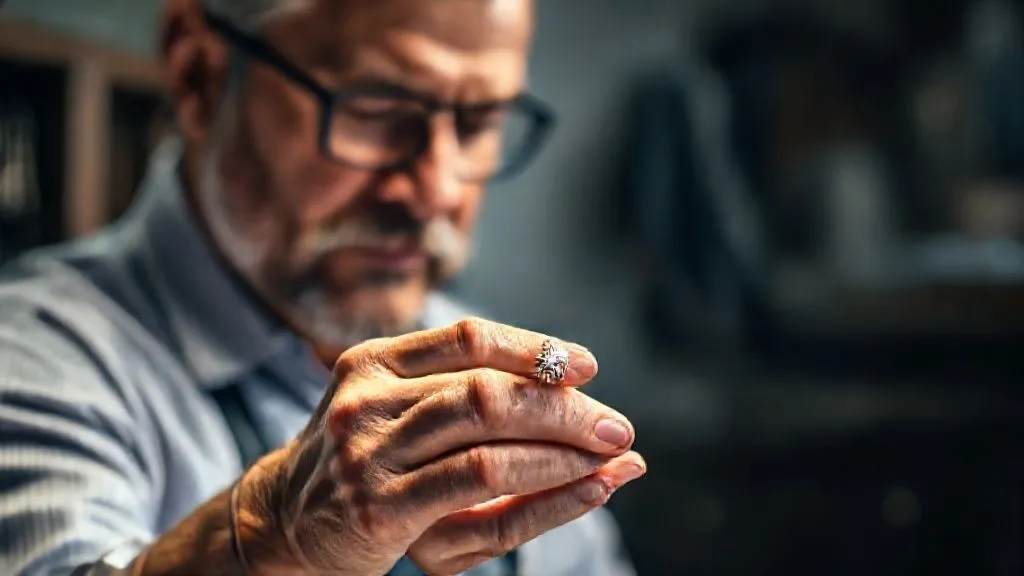
Not all pave bands are created equal, and crucially, not all can be safely resized. The first, and arguably most critical, step is an honest and thorough assessment by an expert jeweler. This isn't a quick glance; it's a detailed examination of the ring's design, construction, and current condition.
Factors Affecting Resizability: Design, Metal, and Wear
Several key factors determine whether your pave band can be resized without compromise:
- Full Eternity vs. Partial Pave: A full eternity band, where pave diamonds encircle the entire band, is notoriously difficult, if not impossible, to resize without significant risk. Cutting into a full eternity band means disrupting the pave in two places, often requiring new settings to be created. Partial pave, where stones cover only the top half or three-quarters, offers a safer 'blank' section for alteration.
- Metal Type: Platinum and palladium are generally more forgiving than gold (especially white gold, which can be brittle due to rhodium plating and alloy composition). The ductility of the metal plays a huge role in how it responds to manipulation.
- Band Width and Thickness: Thinner or very delicate bands have less metal to work with, making them more prone to distortion and stone loss during resizing.
- Existing Wear and Tear: If your ring already shows signs of wear, such as worn prongs or a thin shank, resizing will exacerbate these issues and significantly increase the risk of damage.
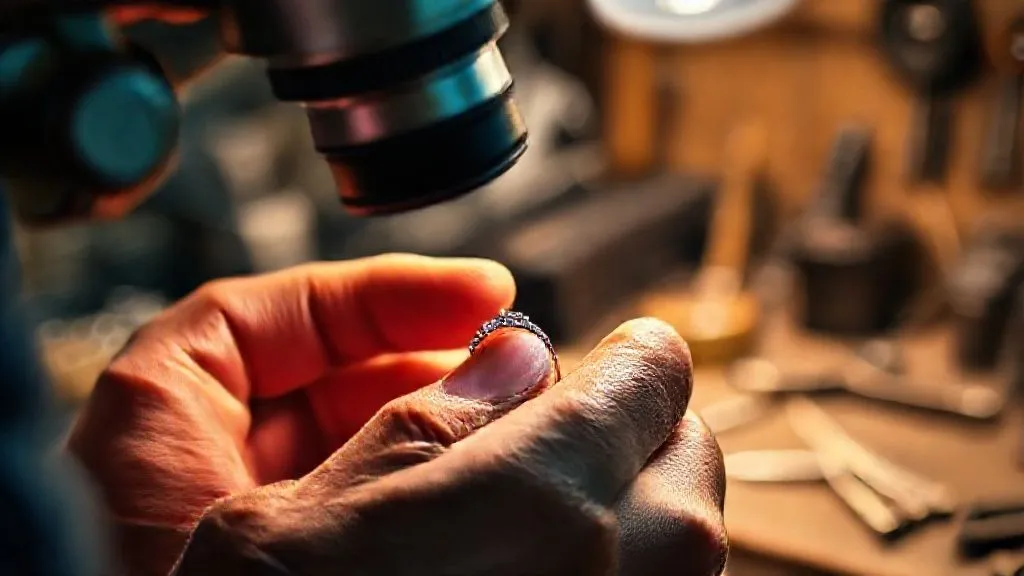
A reputable jeweler will conduct a meticulous inspection, often using magnification, to evaluate these factors. They should be able to clearly explain the risks involved and provide an honest recommendation on whether resizing is advisable at all.

Choosing Your Specialist: A Non-Negotiable Step
This cannot be stressed enough: the success of resizing a complex pave band hinges almost entirely on the expertise of the jeweler. This is not the time to opt for the cheapest quote or the most convenient option. You need a specialist who understands the nuances of pave.
The 'Pave Expert' Difference: Experience, Specialized Tools, Techniques
An expert in pave resizing possesses a unique combination of skills, tools, and techniques:
- Proven Experience with Pave: They should have a portfolio or be able to describe numerous successful pave resizing projects. Ask specific questions about their experience with micro-pave or full eternity bands.
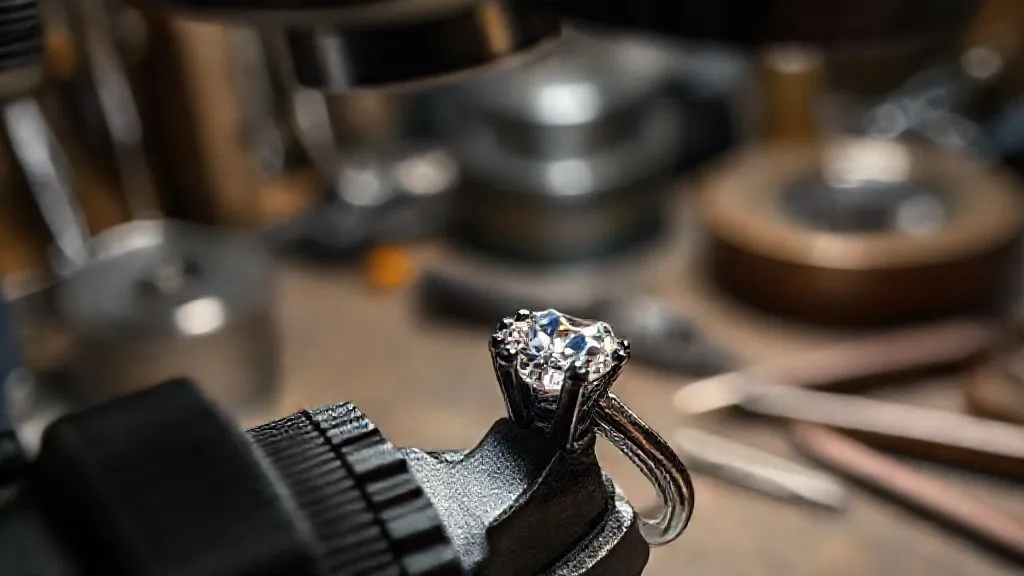
- Specialized Equipment: This includes high-magnification microscopes, precision laser welders, and micro-tools specifically designed for working with tiny stones and delicate settings.
- Understanding of Metallurgy: An expert knows how different metals react to heat and stress, and how to work with them to minimize damage.
- Meticulous Stone Inspection & Re-tightening Skills: They understand that every single stone needs to be checked and potentially re-tightened both before and after the resizing process.
- Transparent Communication: They should clearly explain the process, potential risks, and expected outcomes, providing a detailed quote that reflects the complexity of the work.
Don't be afraid to ask for credentials. Look for jewelers who are members of professional organizations like the Gemological Institute of America (GIA) or the American Gem Society (AGS), as these affiliations often indicate a commitment to higher standards of education and ethics.
Precision Techniques for Pave Resizing: Laser Welding & Beyond
The method used for resizing is paramount. While traditional torch soldering has its place, it's often too aggressive for intricate pave settings. Modern technology offers far superior, safer alternatives.
The Laser Welding Advantage: Minimal Heat, Precise Addition/Removal
Laser welding is, without a doubt, the gold standard for resizing complex pave bands. Here's why:
- Localized Heat: Unlike a jeweler's torch, which heats a larger area, a laser welder delivers a highly concentrated beam of heat to a tiny, specific point. This minimizes thermal stress on surrounding areas and, crucially, on the pave-set diamonds, preventing heat damage or loosening.
- Precision and Control: The fine beam allows for incredibly precise addition or removal of metal. This means the jeweler can make minute adjustments to the band's circumference without disturbing adjacent stones or their settings.
- Stronger Bonds: Laser welding creates exceptionally strong, clean welds that are often stronger than traditional solder joints, ensuring the long-term integrity of the resized band.
- Reduced Stone Disturbance: Because the heat is so localized, there's less overall metal movement and distortion, significantly reducing the risk of stones loosening or falling out during the process.
Traditional Methods & Their Risks: Soldering, Stretching, & Compression
While some jewelers may still use traditional torch soldering for certain resizing tasks, it carries significant risks for pave:
- Torch Soldering: The broader heat from a torch can cause the metal around the pave settings to expand and contract unevenly, leading to weakened prongs and loose stones. It also necessitates removing heat-sensitive stones, which is impractical for pave.
- Stretching: Forcing a band larger by stretching the metal can thin the shank and distort the pave settings, leading to stone loss and structural weakness. It's generally not recommended for any band, let alone pave.
- Compression: Similarly, compressing a band to make it smaller can cause the metal to buckle or deform, impacting the pave settings.
The choice of technique is a critical differentiator between a standard jeweler and a pave specialist.
| Method | Pros | Cons | Suitability for Pave |
|---|---|---|---|
| Laser Welding | Localized heat, high precision, strong welds, minimal stone disturbance | Requires specialized equipment & skill, higher cost | Excellent - Recommended |
| Torch Soldering | Common, cost-effective for simple bands | Broad heat, risk of stone damage/loosening, metal distortion | Poor - High Risk |
| Stretching/Compression | Quick for minor adjustments | Thins/distorts metal, weakens settings, high risk of stone loss | Very Poor - Avoid |
Preventing Stone Loss: Pre- and Post-Resizing Protocols
Even with the right jeweler and the right technique, success isn't guaranteed without rigorous protocols before and after the actual resizing. These steps are what truly set an expert apart.
Pre-Resizing: Stone Tightening and Mapping
Before any metalwork begins, a true pave specialist will undertake these critical preparatory steps:
- Thorough Stone Inspection: Every single diamond in the pave setting is meticulously inspected under high magnification. Any stones that appear loose or have compromised prongs are identified.
- Pre-emptive Stone Tightening: Loose stones are carefully re-tightened *before* resizing. This minimizes the chance of them dislodging during the process when the metal is under stress.
- Mapping and Documentation: The jeweler will often 'map' the pave, noting the condition and placement of stones, especially if any are chipped or have unique characteristics. This documentation serves as a baseline and ensures accountability.
Post-Resizing: Re-tightening, Inspection, and Polishing
The work doesn't end once the band's circumference is adjusted. The post-resizing phase is equally important for long-term security:
- Comprehensive Stone Re-tightening: After the metal has settled from the resizing, every single pave stone is re-inspected and re-tightened. This is a crucial step to ensure that any microscopic shifts in the metal haven't loosened the settings.
- Structural Integrity Check: The entire resized section is examined for any signs of weakness, cracks, or distortion. The band should feel seamless and robust.
- Final Polishing and Rhodium Plating (if applicable): The band is meticulously polished to remove any marks from the resizing process. For white gold, re-rhodium plating is essential to restore its brilliant white finish and protect the metal.
This meticulous attention to detail before and after the main procedure is what truly guarantees the security of your pave diamonds.

Case Study: Rescuing Sarah's Sentimental Micro-Pave Band
How Expert Intervention Saved a Cherished Heirloom
Sarah approached me with a dilemma common to many: her grandmother's engagement ring, a delicate platinum micro-pave band with intricate milgrain detailing, was two sizes too large. She had taken it to a local jeweler who, after a brief inspection, had simply said, 'Pave rings are too risky to resize; you'll lose stones.' Devastated, Sarah almost gave up on wearing the sentimental piece.
Upon my assessment, I confirmed the challenges: the micro-pave covered three-quarters of the band, and the platinum, while durable, required precise handling. I explained my process:
- Initial Microscopic Inspection: We identified a few existing micro-prongs that were slightly worn, which we noted for pre-emptive tightening.
- Laser Welding Strategy: I proposed a precise laser welding approach, carefully selecting a 'blank' section on the bottom of the band that had no pave. This allowed for the removal of a small section of metal without directly cutting into the pave.
- Pre-Resizing Stone Security: Before welding, I meticulously checked and gently tightened every single micro-prong on the entire pave section, a process that took several hours under high magnification.
- Controlled Resizing: Using the laser welder, I precisely removed the necessary amount of platinum and then seamlessly rejoined the band, adding a tiny amount of new platinum filler metal to ensure a perfect fit and strong bond. The localized heat ensured the pave remained undisturbed.
- Post-Resizing Verification: After the band cooled, I spent another extensive session re-inspecting and re-tightening every single pave stone, ensuring no prongs had loosened from the minimal stress.
- Finishing Touches: The band was then meticulously polished to restore its original luster, and the milgrain detailing was carefully re-examined to ensure its integrity.
The result? Sarah's grandmother's ring was resized perfectly, without a single stone lost or a hint of damage to the intricate pave. She was overjoyed, not just because the ring fit, but because its sentimental value was preserved through expert craftsmanship. This successful outcome demonstrates that with the right expertise and technology, even the most complex pave bands can be resized safely.
Understanding the Cost and Time Investment
Resizing a complex pave wedding band without stone loss or damage is not a quick or inexpensive endeavor. It requires specialized skill, advanced equipment, and a significant time investment. Understanding this upfront will help you manage expectations and appreciate the value of expert service.
Factors Influencing Price
The cost of resizing a pave band can vary widely, typically ranging from a few hundred dollars to upwards of a thousand or more, depending on several factors:
- Complexity of the Pave: Micro-pave or full eternity bands will command higher prices due to the increased risk and labor.
- Metal Type: Platinum is often more challenging and costly to work with than gold.
- Number of Sizes to Adjust: A significant size change (e.g., more than 2-3 sizes) involves more material manipulation and thus higher cost.
- Jeweler's Expertise and Location: Highly skilled jewelers with specialized equipment in urban areas will naturally charge more for their premium service.
- Additional Services: If stones need to be replaced, or if the ring requires extensive pre-tightening or post-repair work, the cost will increase.
Always get a detailed, written quote outlining all services included. Don't be shy about asking for an explanation of each line item.
Why It's Worth the Investment
While the cost might seem high compared to a simple ring sizing, consider what you're protecting: a piece of jewelry that is not only financially valuable but often holds immense sentimental worth. The cost of rectifying a botched resizing job – replacing lost diamonds, repairing damaged settings, or even replacing the entire ring – far outweighs the initial investment in a qualified expert. As Harvard Business Review often highlights in its discussions on quality, investing in expertise upfront prevents far greater costs down the line.
Think of it as an insurance policy for your treasured heirloom. The peace of mind that comes from knowing your ring is in the hands of a master craftsman is truly priceless.

Maintenance After Resizing: Protecting Your Investment
Once your pave wedding band has been expertly resized, the responsibility shifts back to you to maintain its integrity and sparkle. Proper care is essential to prevent future issues and ensure the longevity of your investment.
Everyday Care Tips for Pave Bands
- Avoid Harsh Chemicals: Remove your ring when using cleaning products, gardening, or engaging in activities that expose it to chemicals, as these can dull diamonds and erode metal.
- Protect from Impact: Pave settings, by their nature, are more vulnerable to impacts than solid metal. Avoid wearing your ring during strenuous activities, sports, or heavy lifting. Even a minor knock can loosen a micro-prong.
- Regular Cleaning: Clean your pave ring gently with a soft brush, warm water, and mild dish soap. This removes oils and dirt that can dull the diamonds. Avoid ultrasonic cleaners unless specifically recommended by your jeweler, as vibrations can sometimes loosen pave stones if not expertly maintained.
- Store Separately: Keep your pave ring in a soft pouch or separate compartment in your jewelry box to prevent it from scratching other pieces or being scratched itself.
The Importance of Regular Professional Inspections
Even with the most meticulous care, pave settings require professional attention. I recommend having your resized pave band inspected by your trusted jeweler at least once a year, or ideally, every six months. During these inspections, the jeweler will:
- Check all pave settings for any loose or damaged stones.
- Examine the prongs for wear and re-tighten them as needed.
- Inspect the integrity of the resized section and the overall band.
- Professionally clean and polish the ring.
These routine check-ups are proactive measures that can catch potential issues before they escalate into costly repairs or, worse, lost diamonds. Think of it as preventative maintenance for your most cherished possession. For more on general jewelry care, resources like The American Gem Society offer excellent guidance.
Frequently Asked Questions (FAQ)
Can all pave rings be resized? No, not all pave rings can be safely resized. Full eternity bands, very thin bands, or rings with extensive pre-existing damage are often deemed too risky. An expert jeweler will conduct a thorough assessment to determine feasibility and discuss the specific risks involved with your ring's design.
What's the actual risk of losing stones during pave resizing? Without an expert jeweler using specialized techniques like laser welding and meticulous pre/post-resizing stone tightening, the risk is significantly high. However, with a skilled pave specialist, the risk is drastically reduced, though never entirely eliminated due to the delicate nature of the setting. It's why choosing the right professional is paramount.
How long does it typically take to resize a complex pave wedding band? The process can take anywhere from a few days to several weeks, depending on the jeweler's schedule, the complexity of the ring, and the extent of the size adjustment. The meticulous pre- and post-resizing inspections and stone tightening procedures are time-consuming but essential for a successful outcome.
What's the average cost range for resizing a pave ring without damage? While prices vary, expect to pay anywhere from $250 to $1000+, depending on factors like the ring's design, metal type, the number of sizes to adjust, and the jeweler's expertise. This higher cost reflects the specialized skill, equipment, and time required to perform the delicate work correctly.
Should I consider getting my resized pave ring insured? Absolutely. Any valuable piece of jewelry, especially one with intricate settings like pave and significant sentimental value, should be insured. A reputable jewelry insurance policy will cover loss, theft, and often damage, providing peace of mind. Many insurers, like Jewelers Mutual, specialize in this.
Key Takeaways and Final Thoughts
- Expertise is Non-Negotiable: Always seek out a jeweler with proven experience in resizing complex pave settings, preferably one who utilizes laser welding technology.
- Thorough Assessment is Crucial: Understand that not all pave rings can be safely resized. An expert will provide an honest evaluation of the risks and possibilities for your specific ring.
- Precision Techniques Matter: Laser welding significantly minimizes risks compared to traditional soldering or stretching methods for pave.
- Pre- and Post-Resizing Protocols are Key: Meticulous stone inspection and re-tightening before and after the main procedure are vital for preventing stone loss.
- Invest in Quality: While more expensive, choosing a pave specialist is an investment in preserving your ring's integrity and sentimental value, ultimately preventing costlier repairs down the line.
- Ongoing Care is Essential: Regular professional inspections and diligent at-home care will ensure your resized pave band remains secure and brilliant for years to come.
Your wedding band is more than just jewelry; it's a profound symbol of your commitment and love. Entrusting its care, especially for something as delicate as resizing a pave setting, requires informed decisions and the highest level of craftsmanship. By following the advice I've shared, you can approach the process with confidence, ensuring your cherished ring continues to sparkle brilliantly, just like your enduring love story.
Recommended Reading
- 5 Savvy Ways to Personalize Bridesmaid Gifts Under $50 (Expert Tips)
- Misprinted Wedding Place Cards? 7 Urgent Steps to Fix Pre-Wedding Disasters
- Candid Wedding Photos: How to Pose Naturally for Stunning Results
- Unlock the Perfect: How to Pick Mother Son Dance Song Not Overused
- Boost Plus Size Bridal Sales: 7 Proven Steps to Inventory Turnover

Comments
Leave a comment below. Your email will not be published. Required fields marked with *